




Ensuring Precision and Stability: A Comprehensive Guide to Reliable TEC Devices
Understanding the Fundamentals of TEC Devices
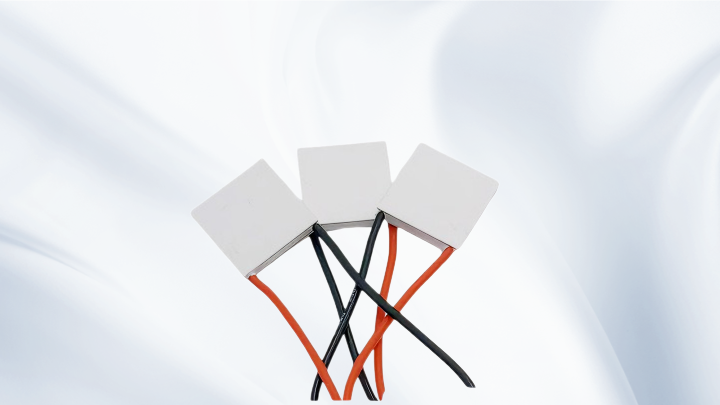
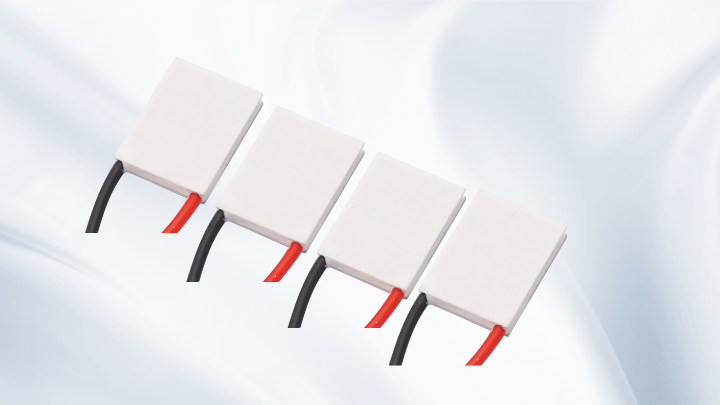
Thermoelectric Cooler (TEC) devices, also known as Peltier devices, are solid-state heat pumps that transfer heat from one side to the other when an electric current is applied. They are widely used in industries such as medical diagnostics, laser systems, and consumer electronics for precise temperature management. A reliable TEC device is essential because it ensures consistent cooling or heating without mechanical failures, which can lead to costly downtime or inaccurate results. By leveraging the Peltier effect, these devices offer advantages like compact size, quiet operation, and no moving parts, but their reliability hinges on proper design, material quality, and operational conditions.
Key Features of a Reliable TEC Device
To achieve high reliability, TEC devices must incorporate several critical features. First, high-quality thermoelectric materials, such as bismuth telluride alloys, are vital for efficient heat transfer and durability. Second, robust thermal interfaces, including ceramic plates and solder joints, prevent delamination and thermal stress. Third, effective heat dissipation through heatsinks or fans is crucial to avoid overheating, which can degrade performance over time. Additionally, a reliable TEC device often includes built-in protection mechanisms, like overcurrent or overtemperature sensors, to safeguard against electrical faults. Manufacturers that adhere to strict quality control standards, such as ISO certifications, typically produce more dependable units with longer lifespans.
Selecting the Right TEC Device for Your Application
Choosing a reliable TEC device requires careful consideration of your specific needs. Start by assessing the required cooling capacity, temperature range, and power input. For instance, in medical imaging equipment, a device with high precision and low noise is paramount, while industrial laser systems might prioritize ruggedness and high heat flux. It's advisable to consult with suppliers who provide detailed datasheets and performance curves. Look for devices with proven track records in similar applications, and consider factors like operating environment—humidity, vibration, and ambient temperature can all impact reliability. Testing prototypes under real-world conditions can help identify potential issues before full-scale deployment.
Best Practices for Installation and Maintenance
Proper installation and maintenance are key to maximizing the reliability of TEC devices. During installation, ensure a clean, flat surface for mounting to optimize thermal contact. Use appropriate thermal paste or pads to minimize thermal resistance, and secure the device firmly to prevent mechanical stress. For maintenance, regularly inspect for signs of wear, such as cracks in the ceramic plates or corrosion on electrical connections. Keep the heatsinks free of dust and debris to maintain efficient cooling. Implementing a preventive maintenance schedule, including periodic performance checks and cleaning, can extend the device's lifespan and prevent unexpected failures. Remember, neglecting these steps can compromise the reliability of your TEC system, leading to increased operational costs.
Common Challenges and Troubleshooting Tips
Even with reliable TEC devices, challenges can arise. Common issues include reduced cooling efficiency, often due to poor heat dissipation or aging materials. If you notice temperature fluctuations, check the power supply for stability and ensure the heatsink is functioning correctly. Electrical failures, such as short circuits, may indicate improper wiring or environmental damage. In such cases, consult the manufacturer's troubleshooting guide or seek professional assistance. To mitigate risks, always use devices within their specified operating limits and avoid exposing them to extreme conditions. By proactively addressing these challenges, you can maintain the performance and reliability of your TEC setup over time.
FAQs
What factors most affect the reliability of a TEC device?
The reliability of a TEC device is primarily influenced by material quality, thermal management, and operating conditions. High-grade thermoelectric materials and robust construction reduce wear, while effective heat dissipation prevents overheating. Additionally, using the device within its rated parameters and in a stable environment minimizes stress and extends lifespan.
How can I test if my TEC device is still reliable?
To test reliability, monitor performance metrics such as temperature stability, power consumption, and cooling capacity over time. Use a multimeter to check for electrical continuity and inspect for physical damage. Comparing results to the manufacturer's specifications can help identify deviations that may indicate reduced reliability.
Are there any industry standards for reliable TEC devices?
Yes, industry standards like ISO 9001 for quality management and specific thermal performance tests (e.g., ASTM standards) help ensure reliability. Manufacturers often comply with these to certify their products, so look for devices that meet recognized standards to enhance trust and performance.
Related Posts