




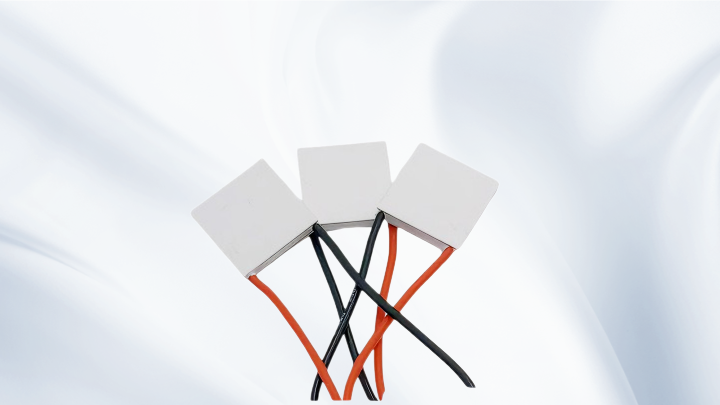
Optimizing Thermal Management: The Role of High-Quality Semiconductor Air-Cooling Fins in Modern Electronics
Introduction to Semiconductor Air-Cooling Fins
Semiconductor air-cooling fins are essential components in thermal management systems, designed to dissipate heat generated by electronic devices such as processors and power modules. These fins work by increasing the surface area exposed to air, allowing for efficient heat transfer through convection. In modern electronics, where miniaturization and high performance are key, high-quality air-cooling fins are critical to prevent overheating, which can lead to reduced efficiency, component failure, or even safety hazards. By using materials like aluminum or copper and advanced manufacturing techniques, these fins ensure optimal cooling without adding excessive weight or bulk.
Key Features of High-Quality Air-Cooling Fins
To achieve superior performance, high-quality air-cooling fins must possess several key characteristics. First, material selection is paramount: aluminum is lightweight and cost-effective, while copper offers better thermal conductivity but is heavier. Advanced alloys can provide a balance of properties. Second, the fin design, including thickness, spacing, and shape, directly impacts airflow and heat dissipation. For instance, closely spaced fins increase surface area but may restrict airflow, so a balance is essential. Third, manufacturing precision ensures consistent quality and durability, with techniques like extrusion or stamping used to create intricate patterns. Additionally, surface treatments, such as anodizing or coating, can enhance corrosion resistance and thermal emissivity, further improving efficiency.
Benefits of Using High-Quality Air-Cooling Fins
Investing in high-quality air-cooling fins offers numerous advantages for electronic systems. Primarily, they enhance thermal performance, allowing devices to operate at lower temperatures, which extends component lifespan and reduces the risk of thermal throttling. This is especially important in high-demand applications like gaming PCs, servers, and automotive electronics. Moreover, efficient cooling can lead to energy savings, as systems require less power for fans or additional cooling mechanisms. From a reliability standpoint, well-designed fins minimize hotspots and ensure uniform heat distribution, preventing localized failures. In industrial settings, this translates to reduced downtime and maintenance costs, making them a cost-effective solution in the long run.
Practical Applications and Industry Trends
High-quality semiconductor air-cooling fins are widely used across various industries. In consumer electronics, they are integral to laptops, smartphones, and gaming consoles, where space constraints demand compact yet effective cooling solutions. In the automotive sector, they help manage heat in electric vehicle batteries and power electronics, contributing to safety and performance. Data centers rely on them to cool servers and networking equipment, ensuring uninterrupted operation. Recent trends include the integration of smart cooling technologies, such as adaptive fin designs that adjust based on thermal loads, and the use of sustainable materials to reduce environmental impact. As electronics continue to evolve, the demand for innovative air-cooling solutions is expected to grow, driving further advancements in fin technology.
Common Questions
What are the main materials used in high-quality air-cooling fins?
Aluminum and copper are the most common materials. Aluminum is favored for its lightweight and affordability, while copper offers superior thermal conductivity but at a higher cost and weight. Advanced alloys and composites are also emerging to provide enhanced properties.
How do air-cooling fins compare to liquid cooling systems?
Air-cooling fins are generally simpler, more cost-effective, and require less maintenance than liquid cooling systems. They are suitable for most applications, but liquid cooling can offer better performance in extreme scenarios, such as overclocked gaming rigs or high-performance computing.
Can air-cooling fins be customized for specific devices?
Yes, manufacturers often customize fin designs based on device requirements, including size, airflow patterns, and thermal loads. This ensures optimal cooling efficiency and compatibility with various electronic enclosures.
What maintenance is required for air-cooling fins?
Regular cleaning to remove dust and debris is essential to maintain airflow and prevent clogging. In industrial settings, periodic inspections for corrosion or damage can help prolong their lifespan and ensure consistent performance.
Related Posts