




Reliable Semiconductor Refrigeration Coolers: The Future of Efficient and Durable Cooling Solutions
Introduction to Semiconductor Refrigeration Coolers
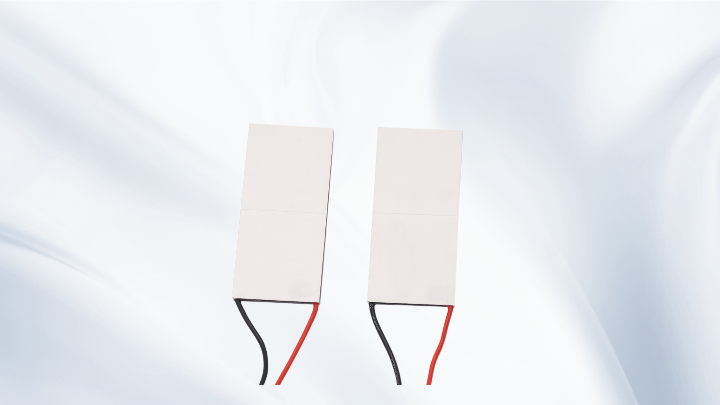
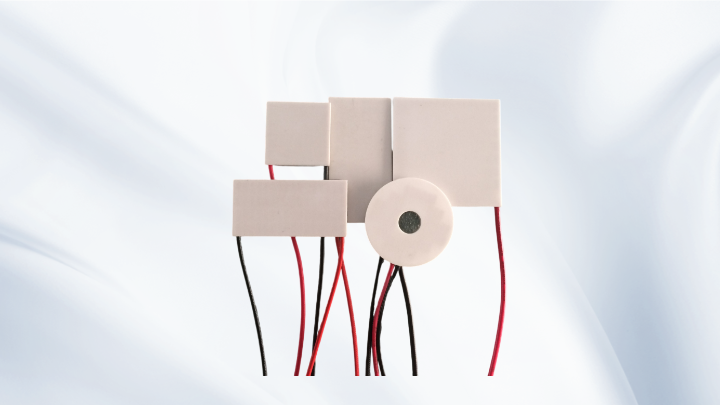
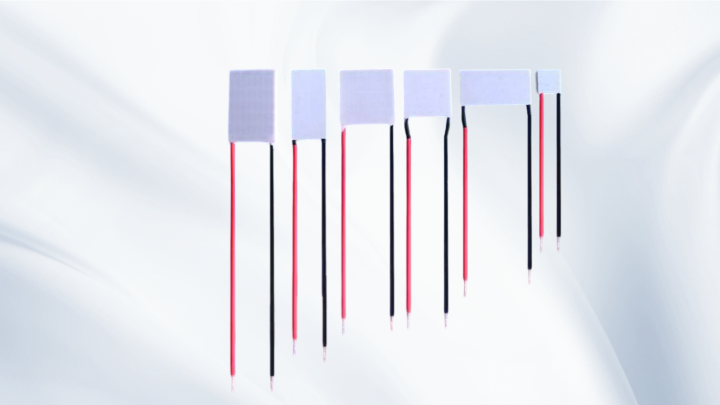
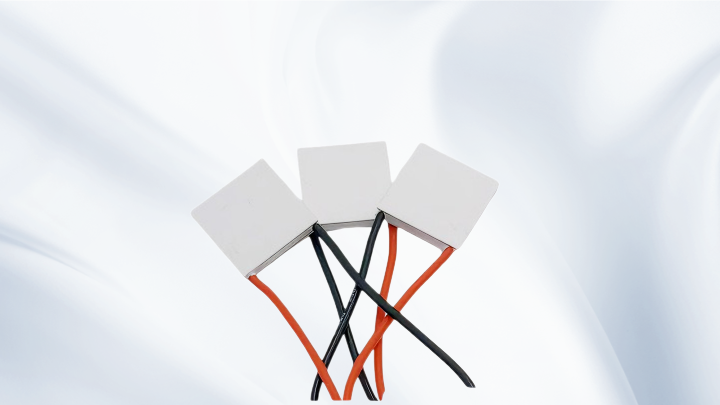
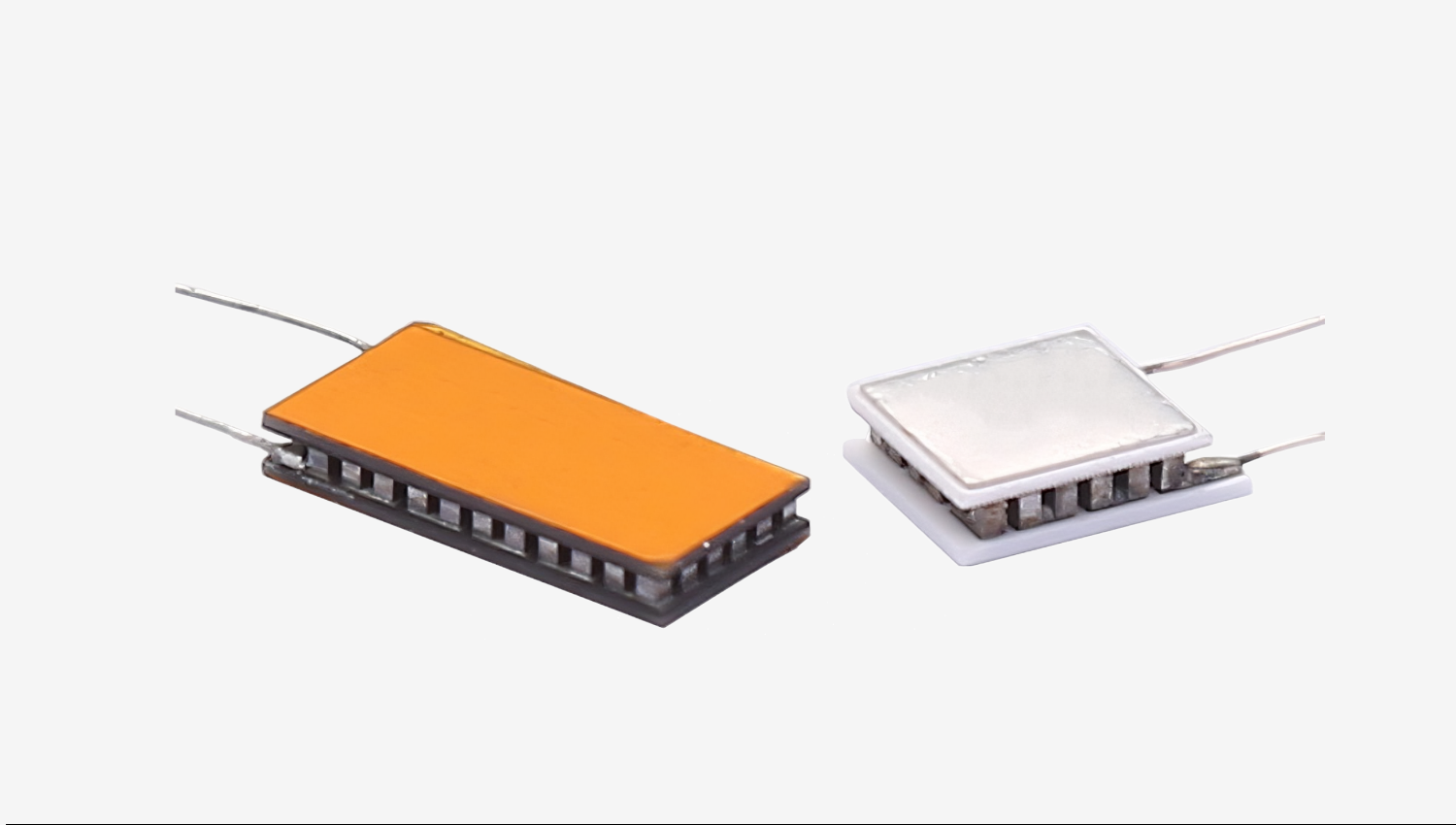
Semiconductor refrigeration coolers, often referred to as thermoelectric coolers or Peltier devices, utilize the Peltier effect to transfer heat from one side to another when an electric current is applied. Unlike traditional compressor-based systems, these coolers have no moving parts, making them highly reliable and less prone to mechanical failure. They are compact, lightweight, and capable of precise temperature control, which is essential in applications ranging from consumer electronics to medical devices. The reliability of these coolers stems from their solid-state design, which minimizes wear and tear and reduces maintenance needs over time.
Key Features of Reliable Semiconductor Coolers
Several features contribute to the reliability of semiconductor refrigeration coolers. First, their solid-state construction eliminates the need for refrigerants or compressors, reducing the risk of leaks and environmental hazards. Second, they offer quiet operation since there are no moving parts, making them ideal for noise-sensitive environments like laboratories or offices. Third, these coolers can operate in any orientation and are less affected by vibrations, enhancing their durability in mobile or industrial settings. Additionally, they have a long lifespan, often exceeding 10 years with proper use, due to minimal degradation of the semiconductor materials. To maximize reliability, it is crucial to select coolers with high-quality materials and efficient heat dissipation systems, as overheating can reduce performance and longevity.
Applications Across Industries
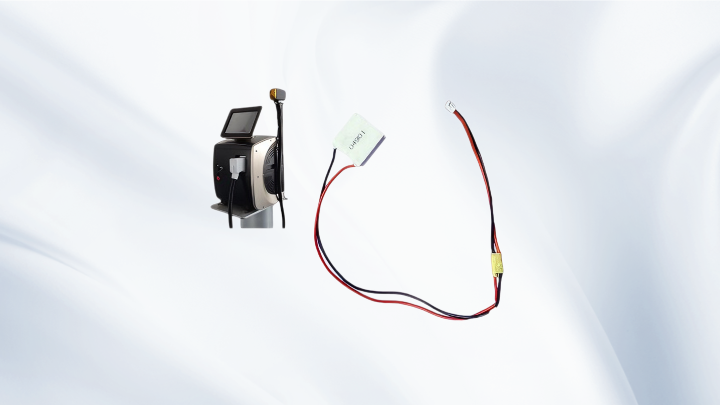
Reliable semiconductor refrigeration coolers are widely used in various sectors due to their versatility and dependability. In the electronics industry, they are employed to cool CPUs, GPUs, and other components in computers and servers, preventing overheating and ensuring stable performance. In medical devices, such as portable refrigerators for vaccines or blood storage, their precise temperature control and reliability are critical for preserving sensitive materials. The automotive sector uses them in climate control systems and battery cooling for electric vehicles, where durability under harsh conditions is essential. Other applications include scientific instruments, telecommunications equipment, and consumer products like mini-fridges. By choosing reliable coolers, businesses can reduce downtime and maintenance costs, leading to improved operational efficiency.
Best Practices for Ensuring Reliability
To maintain the reliability of semiconductor refrigeration coolers, follow these practical tips. First, ensure proper heat dissipation by using adequate heatsinks and fans, as excess heat can damage the semiconductor elements. Second, avoid overloading the cooler beyond its rated capacity, which can lead to premature failure. Third, implement regular inspections to check for dust accumulation or corrosion, especially in harsh environments. Fourth, use a stable power supply with appropriate voltage and current ratings to prevent electrical stress. For long-term reliability, consider integrating temperature sensors and control systems to monitor performance and adjust cooling as needed. In my experience, companies that invest in high-quality coolers and follow these maintenance routines often see fewer breakdowns and extended product lifespans.
Common Challenges and Solutions
Despite their reliability, semiconductor refrigeration coolers can face challenges. One common issue is efficiency limitations, as they may consume more power than compressor-based systems for the same cooling output. To address this, opt for coolers with high coefficient of performance (COP) ratings and pair them with energy-efficient designs. Another challenge is temperature range constraints, as they may struggle in extreme hot or cold environments. Solutions include using multiple coolers in series or incorporating insulation to improve performance. Additionally, thermal cycling can cause stress on the semiconductor junctions over time; mitigating this involves gradual temperature changes and robust thermal management. By anticipating these issues, users can select the right cooler for their needs and implement preventive measures to enhance reliability.
Future Trends and Innovations
The future of reliable semiconductor refrigeration coolers looks promising with ongoing advancements. Researchers are developing new materials, such as bismuth telluride alloys, to improve energy efficiency and cooling capacity. Innovations in nanotechnology may lead to smaller, more powerful coolers for microelectronics. Additionally, integration with IoT and smart systems allows for real-time monitoring and predictive maintenance, further boosting reliability. As demand grows in sectors like renewable energy and space exploration, these coolers are expected to become even more durable and cost-effective. By staying informed about these trends, businesses can adopt cutting-edge solutions to stay competitive and ensure long-term cooling reliability.
Frequently Asked Questions
What makes semiconductor refrigeration coolers more reliable than traditional coolers?
Semiconductor refrigeration coolers are more reliable due to their solid-state design with no moving parts, which reduces mechanical failure and maintenance needs. They are also less susceptible to leaks and can operate in various orientations without performance degradation.
How can I improve the lifespan of a semiconductor refrigeration cooler?
To extend the lifespan, ensure proper heat dissipation with adequate cooling systems, avoid overloading, use a stable power supply, and perform regular maintenance to prevent dust buildup or corrosion. Following manufacturer guidelines is also essential.
Are semiconductor refrigeration coolers suitable for extreme temperatures?
While they can handle a wide range, extreme temperatures may affect performance. For harsh environments, consider using insulated enclosures, multiple coolers in series, or specialized models designed for high or low temperature applications.
What are the common applications where reliability is critical?
Critical applications include medical devices for storing vaccines, electronics cooling in servers, automotive systems in electric vehicles, and scientific instruments where precise temperature control is necessary to prevent damage or data loss.
Related Posts