





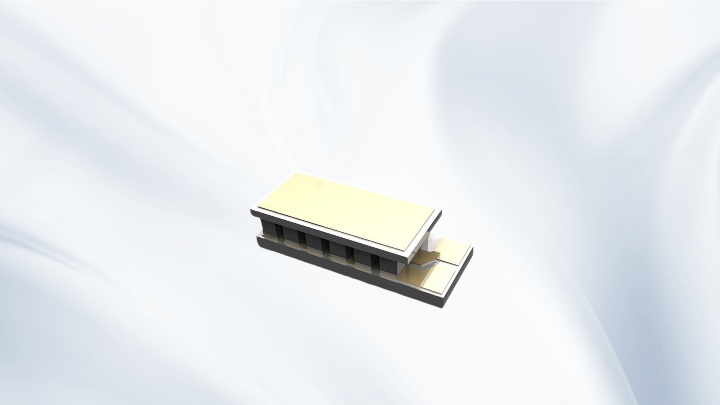
The Future of Cooling: How Reliable Semiconductor Refrigerant Chips Are Revolutionizing Electronics
Introduction to Semiconductor Refrigerant Chips
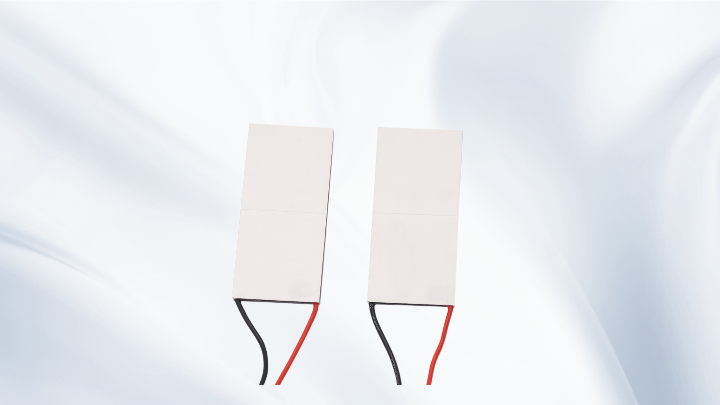
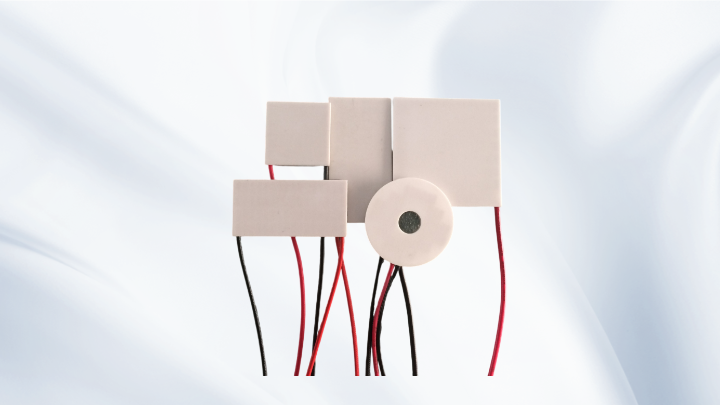
Reliable semiconductor refrigerant chips are advanced cooling components that utilize semiconductor materials to transfer heat away from electronic devices. Unlike traditional cooling methods, such as fans or liquid systems, these chips operate on the Peltier effect, where an electric current creates a temperature difference across a junction of two different conductors. This allows for precise temperature control without moving parts, making them highly reliable and durable. As electronics become smaller and more powerful, the demand for efficient heat management has surged, positioning these chips as a key innovation in industries ranging from consumer electronics to medical equipment.
Key Features and Benefits
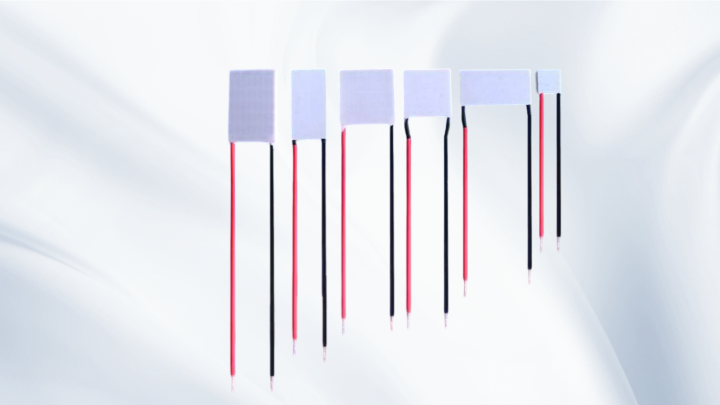
One of the standout features of reliable semiconductor refrigerant chips is their compact size and lightweight design. They can be integrated into tight spaces, such as smartphones or wearable devices, without adding bulk. Additionally, they offer silent operation since they lack fans, reducing noise pollution in sensitive environments like hospitals or laboratories. Their energy efficiency is another major advantage; by directly converting electrical energy into cooling, they minimize power consumption compared to conventional systems. This not only lowers operational costs but also extends battery life in portable devices. Moreover, these chips are known for their long lifespan and low maintenance, as they have fewer mechanical parts that can wear out over time.
Applications in Modern Technology
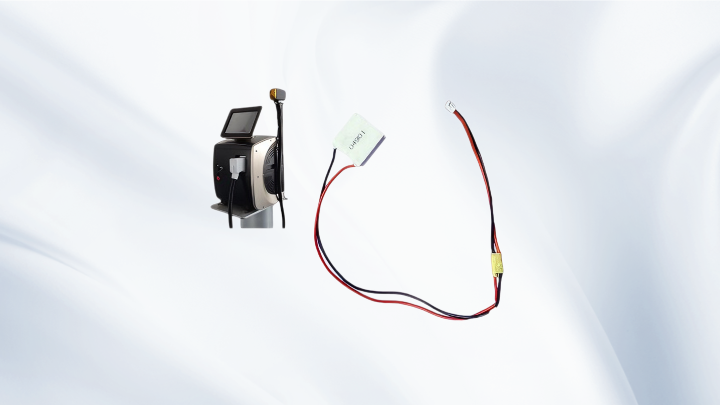
Reliable semiconductor refrigerant chips are finding widespread use across various sectors. In the consumer electronics industry, they are employed in laptops, gaming consoles, and smartphones to prevent overheating and ensure optimal performance. For example, high-end gaming laptops often incorporate these chips to maintain stable temperatures during intense sessions. In medical devices, such as portable diagnostic tools or imaging equipment, precise temperature control is critical for accuracy and patient safety. These chips help maintain consistent conditions without the risk of contamination from fluids. Furthermore, in automotive and aerospace applications, they are used to cool sensors and control systems in harsh environments, enhancing reliability and safety. As the Internet of Things (IoT) expands, these chips are also becoming integral in smart home devices and industrial sensors, where efficient cooling supports continuous operation.
Challenges and Future Developments
Despite their benefits, reliable semiconductor refrigerant chips face some challenges. One issue is heat dissipation efficiency in high-power applications; while effective for moderate loads, they may struggle with extreme heat generation in servers or data centers. Researchers are addressing this by developing advanced materials, such as bismuth telluride alloys, to improve thermal conductivity. Another challenge is cost, as these chips can be more expensive to produce than traditional coolers, though economies of scale are gradually reducing prices. Looking ahead, innovations like nanotechnology integration and adaptive cooling systems are on the horizon. For instance, chips with embedded sensors could dynamically adjust cooling based on real-time temperature data, optimizing energy use. As sustainability becomes a priority, there is also a push towards using eco-friendly refrigerants and recyclable materials in chip manufacturing.
Common Questions
How do reliable semiconductor refrigerant chips compare to traditional cooling methods?
Reliable semiconductor refrigerant chips offer several advantages over traditional methods like fans or liquid cooling. They are more compact, silent, and have fewer moving parts, which reduces maintenance needs. However, they may be less efficient for very high heat loads, so the choice depends on the specific application and power requirements.
What are the main factors to consider when selecting a semiconductor refrigerant chip?
When choosing a chip, key factors include the cooling capacity (measured in watts), size constraints, power consumption, and environmental conditions. It's important to match the chip's specifications with the device's heat output and operational needs to ensure optimal performance and longevity.
Are there any safety concerns with using these chips?
Generally, reliable semiconductor refrigerant chips are safe to use, as they operate at low voltages and do not involve hazardous fluids. However, proper installation and thermal management are essential to prevent overheating or electrical issues. Always follow manufacturer guidelines and consider certifications for specific industries, such as medical or automotive standards.
Related Posts