




Reliable Semiconductor Radiating Fins: Enhancing Performance and Durability in Modern Electronics
Introduction to Semiconductor Radiating Fins
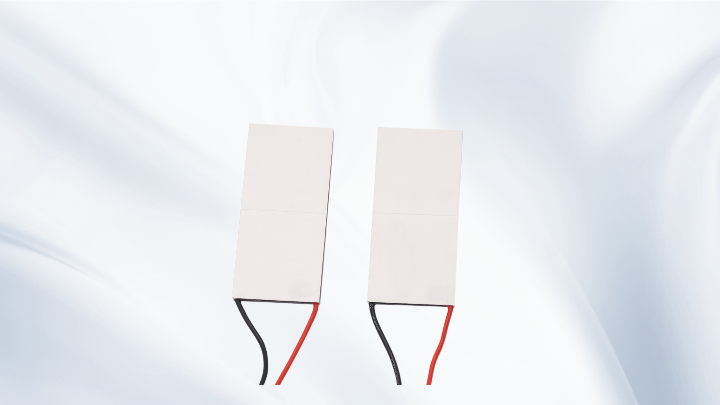
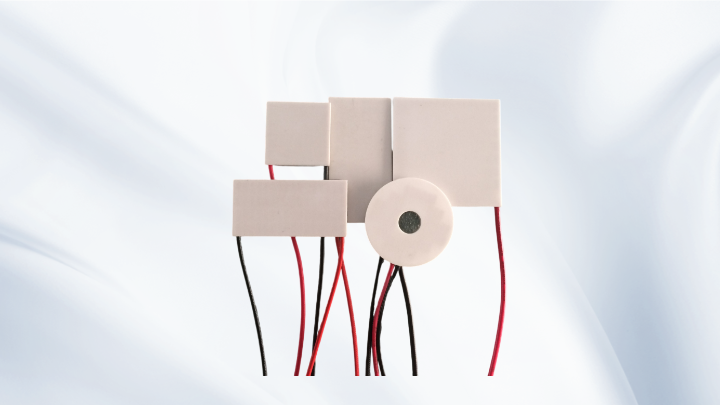
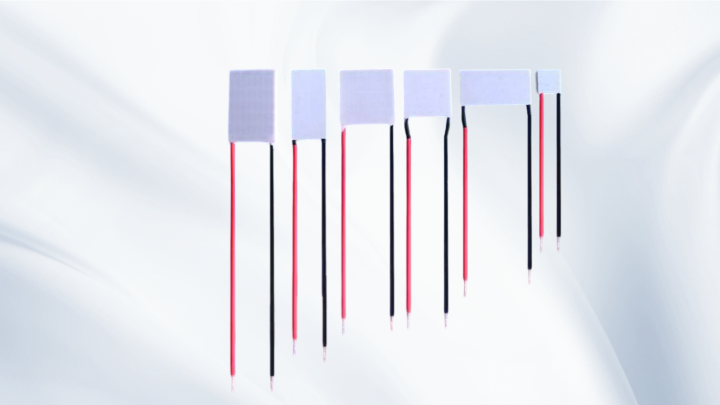
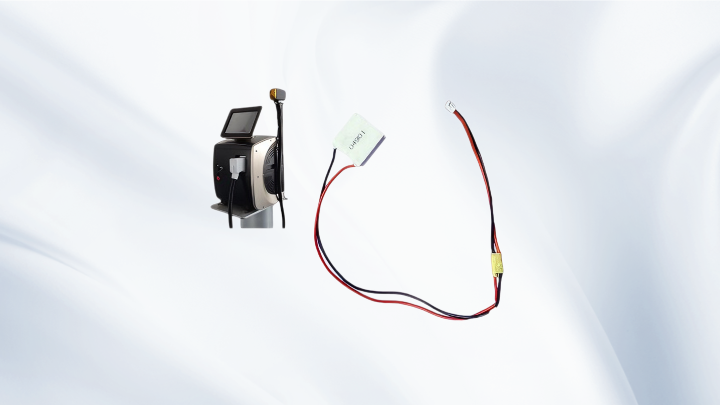
Semiconductor radiating fins are essential components in electronic devices, designed to dissipate heat generated by semiconductors like CPUs and GPUs. By efficiently transferring heat away from sensitive parts, they prevent overheating, which can lead to performance degradation or failure. Reliability in these fins is paramount, as it ensures consistent operation under varying conditions, from consumer gadgets to industrial machinery.
Key Design Principles for Reliability
To achieve reliability, radiating fins must be engineered with precision. Key factors include material selection, such as aluminum or copper, which offer high thermal conductivity. The fin geometry—like surface area and spacing—also impacts heat dissipation. Optimizing airflow around the fins enhances cooling efficiency, reducing the risk of thermal throttling. Additionally, robust manufacturing processes, such as extrusion or stamping, ensure durability against physical stress and corrosion.
Materials and Manufacturing Techniques
Common materials for reliable radiating fins include aluminum alloys for lightweight applications and copper for superior heat transfer. Advanced composites and coatings can further improve performance. Manufacturing techniques like CNC machining allow for intricate designs that maximize surface area. Quality control during production is critical to avoid defects that could compromise reliability, such as uneven surfaces or weak joints.
Applications in Various Industries
Reliable semiconductor radiating fins are used across multiple sectors. In consumer electronics, they cool smartphones and laptops, enhancing user experience. In automotive systems, they manage heat in electric vehicle batteries and infotainment units. Industrial applications include servers and telecommunications equipment, where continuous operation is essential. Each industry demands specific reliability standards, often tested through rigorous environmental simulations.
Common Challenges and Solutions
One common challenge is dust accumulation, which can insulate fins and reduce cooling efficiency. Regular maintenance or dust-resistant designs can mitigate this. Another issue is thermal expansion mismatch between materials, leading to stress cracks. Using compatible materials or flexible mounts helps maintain reliability. Proactive testing, such as thermal cycling and vibration tests, identifies potential failures early, ensuring long-term performance.
Future Trends and Innovations
Emerging trends include the integration of phase-change materials and microfluidic cooling for higher heat loads. Advances in additive manufacturing enable custom fin designs tailored to specific devices. Sustainability is also gaining focus, with recyclable materials and energy-efficient designs reducing environmental impact. As electronics evolve, reliable radiating fins will continue to adapt, supporting next-generation technologies like AI and IoT.
常见问题
What are the main factors affecting the reliability of semiconductor radiating fins?
Key factors include material choice, design geometry, manufacturing quality, and environmental conditions. For example, using corrosion-resistant materials and ensuring proper airflow can significantly enhance reliability.
How can I maintain reliable performance in radiating fins over time?
Regular cleaning to remove dust, monitoring for physical damage, and ensuring adequate ventilation are essential. In industrial settings, scheduled inspections and thermal testing help prevent unexpected failures.
Are there standards for testing the reliability of radiating fins?
Yes, standards like MIL-STD-810 for environmental testing and ISO 9001 for quality management provide guidelines. Manufacturers often conduct thermal, vibration, and longevity tests to certify reliability.
Related Posts