




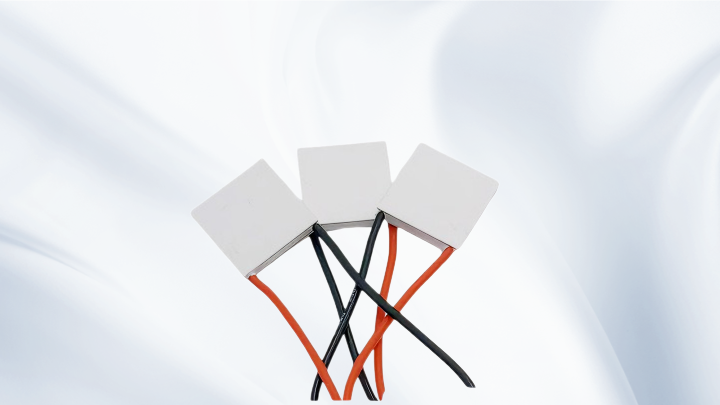
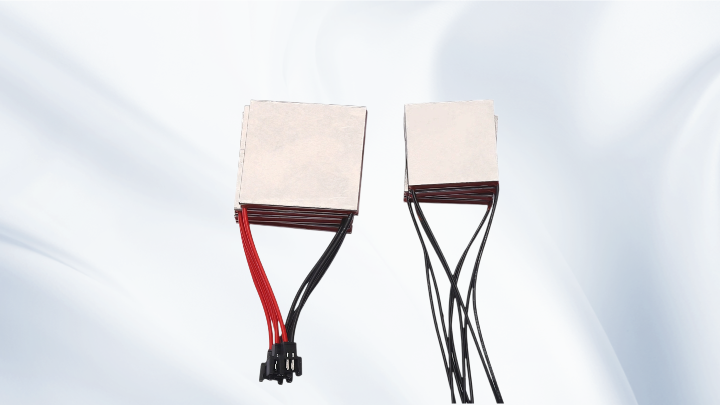
Ensuring Longevity and Performance: The Role of Reliable Semiconductor Air-Cooling Fins in Modern Electronics
Understanding Semiconductor Air-Cooling Fins
Semiconductor air-cooling fins are essential components in electronic devices, designed to manage heat generated by semiconductors like CPUs and GPUs. They work by increasing the surface area for heat dissipation, allowing air to flow over the fins and carry heat away. This process is critical because excessive heat can lead to performance degradation, reduced lifespan, and even permanent damage to sensitive electronic parts. In modern applications, from consumer gadgets to industrial machinery, these fins must be reliable to ensure consistent operation under varying conditions.
Key Features of Reliable Air-Cooling Fins
Reliable air-cooling fins are characterized by several key features that enhance their effectiveness. First, they are typically made from materials with high thermal conductivity, such as aluminum or copper, which efficiently transfer heat away from the semiconductor. Second, their design often includes optimized fin geometry—like thin, closely spaced fins—to maximize surface area without obstructing airflow. Additionally, durability is a must; fins should resist corrosion and mechanical stress to maintain performance over time. For instance, in high-demand environments like data centers, robust construction ensures that cooling systems can handle continuous operation without failure.
Benefits of Using Reliable Air-Cooling Fins
Incorporating reliable air-cooling fins into electronic systems offers numerous benefits. Primarily, they help prevent overheating, which can cause system crashes or data loss. By maintaining stable temperatures, these fins contribute to enhanced performance and energy efficiency, as semiconductors operate more effectively within their optimal thermal range. Moreover, they extend the lifespan of devices, reducing the need for frequent replacements and lowering long-term costs. In industries like automotive or telecommunications, where reliability is paramount, these fins ensure that critical systems remain operational even under extreme conditions.
Practical Applications and Considerations
Reliable semiconductor air-cooling fins are used across various sectors. In consumer electronics, such as laptops and gaming consoles, they keep devices cool during intensive use. In industrial settings, they protect machinery from heat-related failures, supporting continuous production. When selecting or designing these fins, it's important to consider factors like airflow dynamics, ambient temperature, and space constraints. For example, in compact devices, engineers might use advanced fin designs like heat pipes or vapor chambers to enhance cooling efficiency. Regular maintenance, such as cleaning dust from fins, also helps maintain their reliability over time.
Common Questions
What are the main materials used for reliable semiconductor air-cooling fins?
Aluminum and copper are the most common materials due to their excellent thermal conductivity and cost-effectiveness. Aluminum is lightweight and corrosion-resistant, while copper offers superior heat transfer but is heavier and more expensive.
How do air-cooling fins compare to liquid cooling systems?
Air-cooling fins are generally simpler, more affordable, and require less maintenance than liquid cooling systems. However, liquid cooling can be more efficient for high-performance applications, but it involves more complex components and potential leakage risks.
Can air-cooling fins be used in all environments?
While effective in most conditions, extreme environments with very high temperatures or poor airflow may require additional cooling solutions. Proper design and material selection can enhance adaptability to challenging settings.
How often should air-cooling fins be maintained?
It's recommended to inspect and clean the fins every 6-12 months, depending on usage and environmental factors like dust accumulation. This prevents clogging and ensures optimal heat dissipation.
Related Posts