




Unlocking Efficiency and Precision: The Power of High-Quality Thermoelectric Cooling Chips
Understanding Thermoelectric Cooling Technology
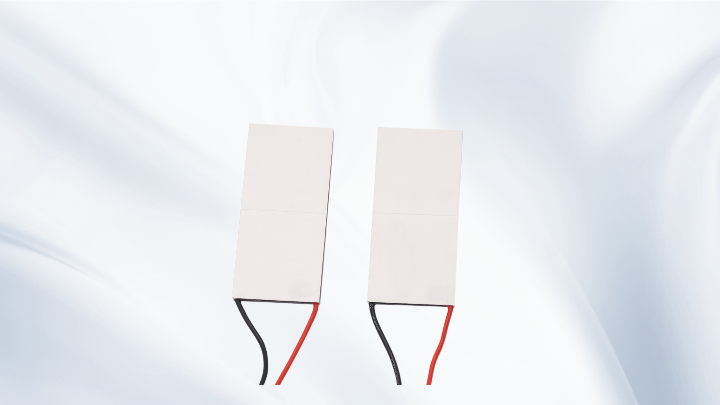
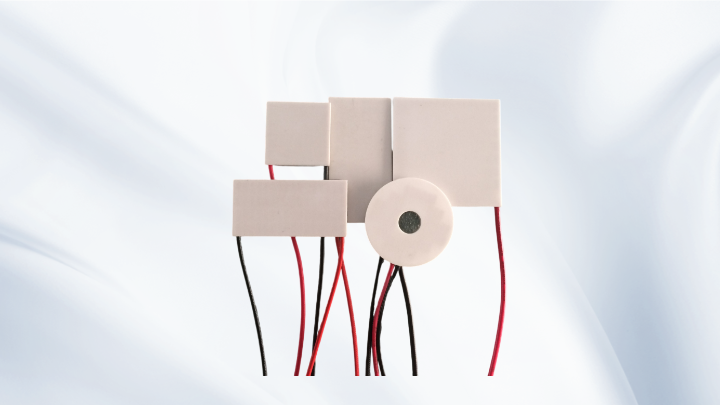
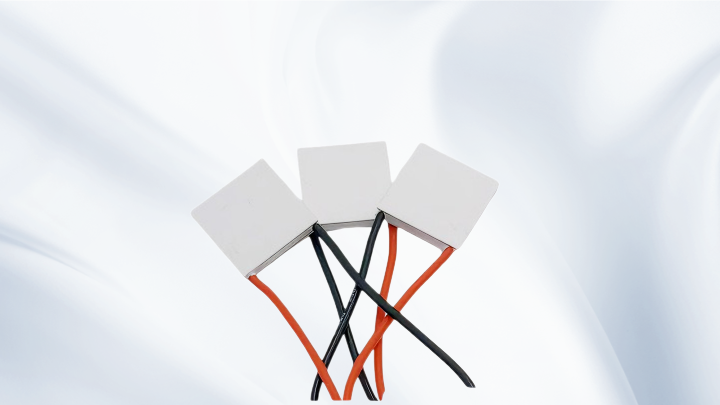
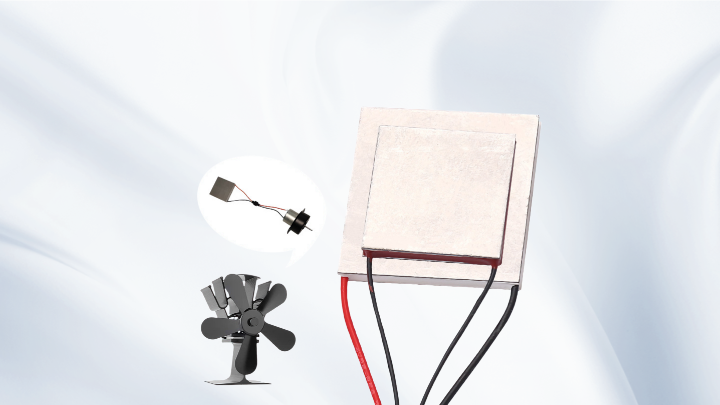
Thermoelectric cooling chips, also known as Peltier devices, operate on the principle of the Peltier effect, where an electric current flows through two dissimilar conductors, causing heat to be absorbed on one side and released on the other. Unlike traditional cooling methods that rely on compressors or fans, these chips provide solid-state cooling, meaning they have no moving parts. This results in quieter operation, reduced maintenance, and enhanced durability. High-quality variants are engineered with advanced materials like bismuth telluride, which improves efficiency and temperature control, making them suitable for demanding environments.
Key Benefits of High-Quality Thermoelectric Cooling Chips
Investing in high-quality thermoelectric cooling chips offers numerous advantages. First, they provide precise temperature regulation, allowing for stable cooling within tight tolerances, which is crucial for sensitive electronics like lasers or medical equipment. Second, their compact size and lightweight design enable integration into space-constrained devices, such as portable refrigerators or wearable tech. Third, they are energy-efficient, often consuming less power than conventional cooling systems, especially in low-load scenarios. Additionally, their reliability and long lifespan reduce downtime and operational costs, making them a cost-effective solution over time.
Applications Across Industries
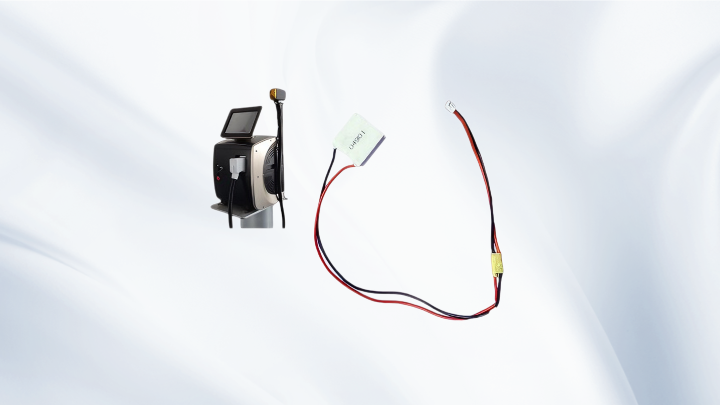
High-quality thermoelectric cooling chips are versatile and find use in various sectors. In the electronics industry, they cool CPUs, GPUs, and other components in computers and servers, preventing overheating and extending device life. In medical devices, they are used in PCR machines for DNA analysis and in portable coolers for storing vaccines, ensuring temperature-sensitive samples remain viable. Consumer products, such as mini-fridges and wine coolers, benefit from their quiet operation and compact design. Moreover, they play a role in aerospace and automotive systems, where reliability under extreme conditions is paramount.
Selecting the Right Thermoelectric Cooling Chip
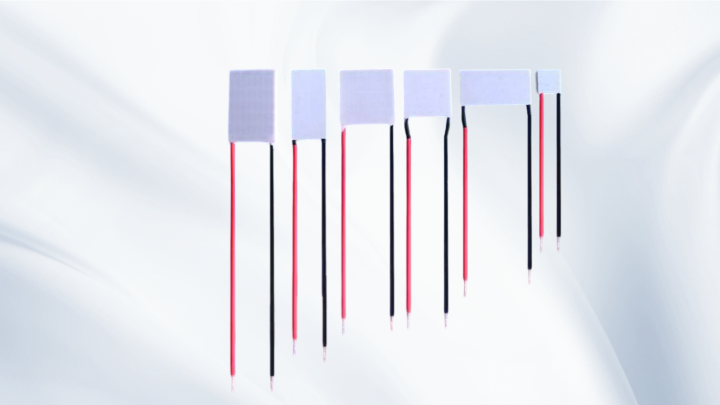
To maximize performance, it's essential to choose a high-quality thermoelectric cooling chip based on specific needs. Consider factors like cooling capacity, measured in watts, which should match the heat load of your application. The temperature difference (ΔT) between the hot and cold sides affects efficiency; higher-quality chips can achieve greater ΔT with less power. Material quality, such as using doped semiconductors, enhances thermal conductivity and durability. Always source from reputable manufacturers who provide certifications and support, as this ensures reliability and compliance with industry standards.
Installation and Maintenance Tips
Proper installation is key to the longevity of thermoelectric cooling chips. Ensure a secure thermal interface by applying high-quality thermal paste or pads between the chip and heat sinks to minimize thermal resistance. Use appropriate mounting hardware to avoid mechanical stress, which can damage the delicate ceramic plates. For maintenance, regularly clean dust and debris from heat sinks to maintain airflow and cooling efficiency. Monitor power supply stability, as voltage fluctuations can reduce performance or cause failure. By following these practices, you can extend the chip's lifespan and maintain optimal cooling performance.
Common Questions
What is the typical lifespan of a high-quality thermoelectric cooling chip?
With proper installation and maintenance, high-quality thermoelectric cooling chips can last over 50,000 hours of continuous operation. Their solid-state design minimizes wear and tear, but factors like excessive heat or power surges can shorten lifespan. Regular monitoring and using them within specified parameters help ensure longevity.
How do thermoelectric cooling chips compare to traditional refrigeration systems?
Thermoelectric cooling chips are generally more compact, quieter, and have fewer moving parts than compressor-based systems, making them ideal for small-scale or portable applications. However, they may be less efficient for large cooling loads and can have higher upfront costs. High-quality chips bridge this gap by offering improved efficiency and reliability.
Can thermoelectric cooling chips be used for heating as well?
Yes, by reversing the electric current direction, thermoelectric cooling chips can function as heaters, absorbing heat from one side and releasing it on the other. This bidirectional capability makes them versatile for applications requiring both cooling and heating, such as in temperature-controlled chambers or climate control systems.
What are the common challenges when using thermoelectric cooling chips?
Key challenges include managing heat dissipation on the hot side to prevent overheating, ensuring adequate power supply for optimal performance, and dealing with condensation in humid environments. Using high-quality heat sinks, stable power sources, and proper insulation can mitigate these issues effectively.
Related Posts