




Optimizing Home Cooling: The Rise of the Domestic Thermoelectric Coolerthermoelectric cooler
Introduction to Domestic Thermoelectric Coolers
A Domestic Thermoelectric Cooler represents a shift towards solid-state cooling technology in home environments. Unlike traditional compressor-based refrigerators, these devices use the Peltier effect to achieve cooling without moving parts, refrigerants, or excessive noise. KKG, a leading brand in thermoelectric solutions, has pioneered compact coolers ideal for small spaces, car travel, or specialized tasks like keeping insulin cool. Their reliability and energy efficiency make them increasingly popular in modern households.
How KKG Thermoelectric Coolers Work
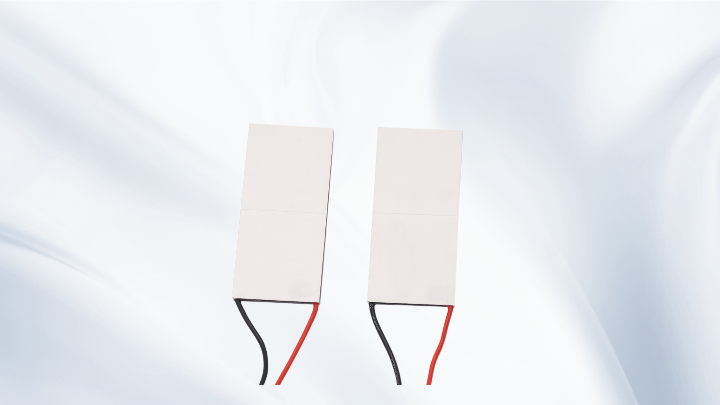
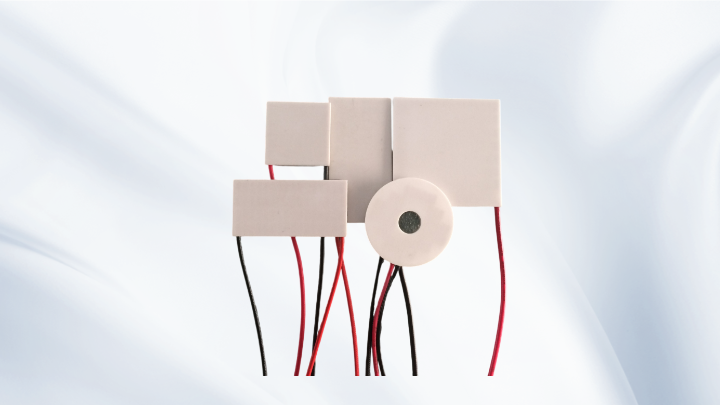
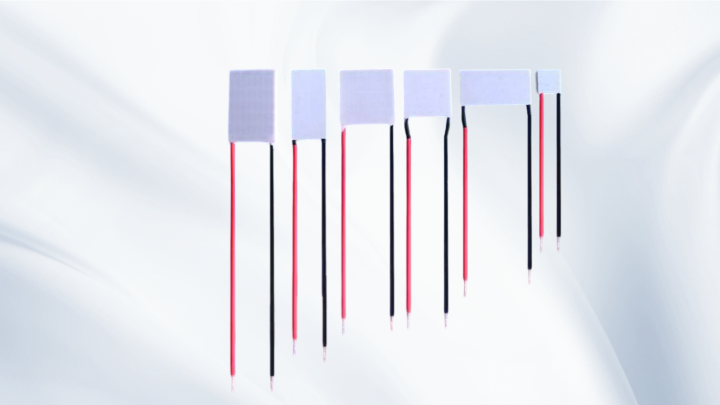
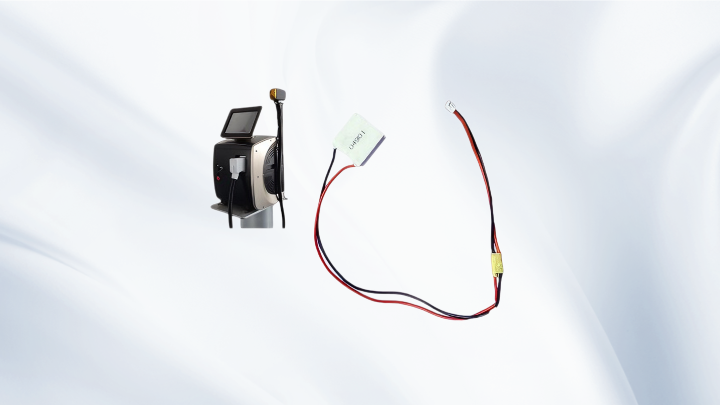
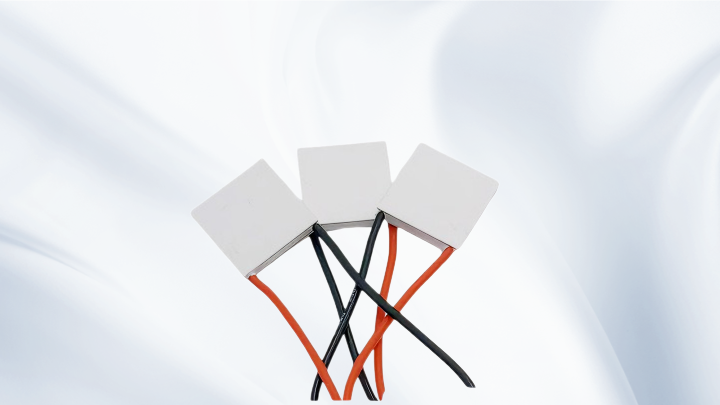
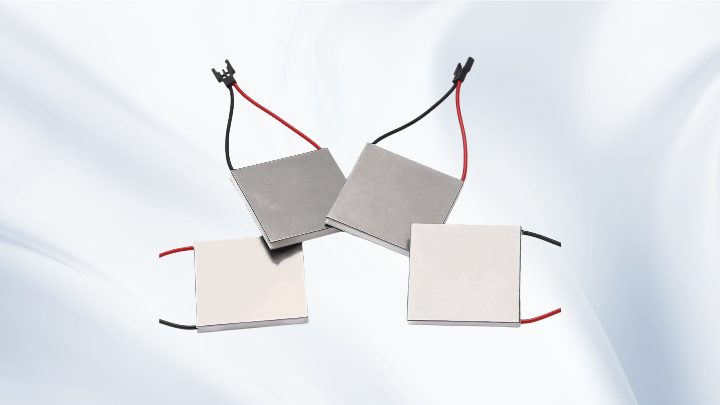
At the heart of a KKG Domestic Thermoelectric Cooler lies a Peltier module. When electric current flows through the module, heat is transferred from one side to the other, creating a hot side and a cold side. KKG optimizes this process with advanced heat sinks and fans, ensuring efficient dissipation of heat. This technology allows the cooler to maintain temperatures up to 20°C below ambient, perfect for cooling beverages, cosmetics, or temperature-sensitive medications. The absence of compressors means silent operation and minimal vibration, ideal for bedrooms or offices.
Key Features and Applications
KKG thermoelectric coolers are designed with versatility in mind. Many models feature dual-mode functionality (cooling and warming), adjustable thermostat controls, and low power consumption (typically 12V DC or 100-240V AC). Common domestic uses include: portable coolers for road trips, wine coolers in kitchen islands, and mini fridges for skincare products. Their compact size allows integration into cramped spaces where traditional fridges cannot fit. Additionally, they are environmentally friendly since they use no chlorofluorocarbons (CFCs) or other harmful refrigerants.
Benefits Over Traditional Refrigerators
While compressor fridges dominate the market, KKG's Domestic Thermoelectric Cooler offers distinct advantages: 1. Portability – lightweight and often with carry handles. 2. Quiet Operation – no loud compressor cycles. 3. Maintenance-Free – no filters or coolant refills. 4. Instant Cooling – reaches desired temperature quickly. However, they are best suited for small-scale cooling (up to 30 liters) and may struggle in extremely hot environments. For moderate home use, they provide an excellent balance of performance and convenience.
Installation and Maintenance Tips
Setting up a KKG thermoelectric cooler is straightforward: place it on a flat surface, ensure proper ventilation (leave 10 cm clearance around vents), and plug it in. For optimal performance, avoid overfilling and pre-chill items when possible. Cleaning requires only a damp cloth to wipe interior and exterior surfaces. Since there are no moving parts except for a fan, long-term reliability is high. If the cooling performance decreases, check the fan for dust accumulation and ensure the hot side heat sink is unobstructed.
Common Questions About Domestic Thermoelectric Coolers
Q: Can a KKG thermoelectric cooler replace a standard refrigerator?
A: Not entirely. These coolers are designed for light-duty, temporary, or portable use. They cannot maintain temperatures as low as compressor fridges or handle large volumes. They are best as supplement coolers for drinks, snacks, or medical items.
Q: How much electricity does a domestic thermoelectric cooler use?
A: Typically 30-60 watts, which is much less than a compressor fridge (100-200 watts). However, they operate continuously to maintain temperature, so overall energy consumption can be comparable for small volumes.
Q: Will the cooler work in a hot car?
A: Yes, but performance decreases as ambient temperature rises. In direct sunlight or temperatures above 35°C, the cooler may only achieve a 10-15°C differential. For best results, use in shaded, well-ventilated areas.
Tags:
Related Posts