




The Ultimate Guide to Choosing a Reliable Thermoelectric Cooler for Your Needs
What Makes a Thermoelectric Cooler Reliable?
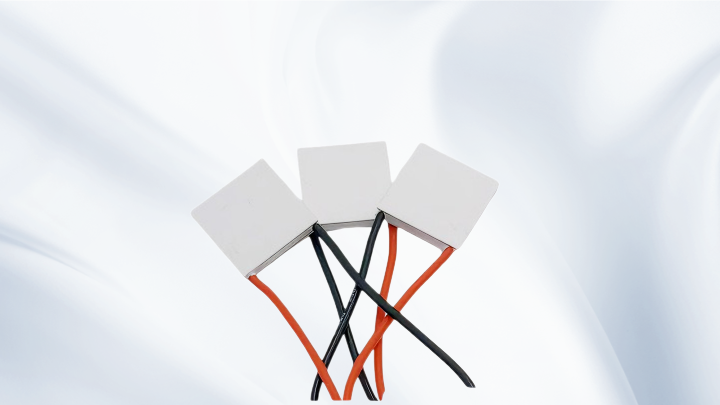
A reliable thermoelectric cooler (TEC) is defined by its consistent cooling performance and long operational lifespan. Key factors include the quality of the semiconductor materials, the precision of the assembly process, and the robustness of the thermal interface. High-quality bismuth telluride elements, for instance, provide better efficiency and stability. Additionally, a well-designed TEC should have a low failure rate under specified operating conditions, often proven through rigorous testing such as thermal cycling and humidity exposure. Look for manufacturers that provide detailed specifications and warranty periods, as these are indicators of confidence in their product's reliability.
Key Features to Look for in a Reliable TEC
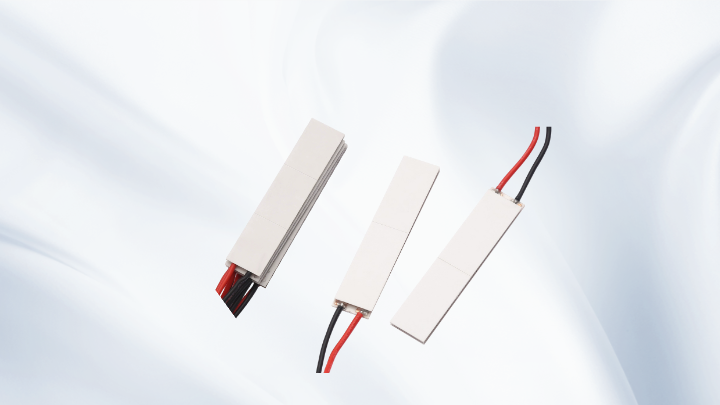
When evaluating a thermoelectric cooler, consider the following features to ensure reliability: First, maximum temperature difference (ΔTmax) and cooling capacity (Qmax) should meet your application's requirements without overloading the device. Operating current and voltage ratings must be compatible with your power supply. Module size and shape should fit the mounting area. Thermal cycling endurance is crucial for applications with frequent on/off cycles. Moisture resistance is important in humid environments; look for modules with epoxy sealing or nitrogen-filled options. Finally, lead-free solder and gold-plated contacts enhance longevity and reduce corrosion risks. Always check the datasheet for reliability test data, such as MTBF (Mean Time Between Failures) values.
Common Applications Requiring Reliable Cooling
Reliable thermoelectric coolers are essential in various fields: In photonics, they stabilize laser diodes and photodetectors for consistent performance. Medical equipment like DNA analyzers and patient warming devices rely on precise temperature control. Automotive applications, such as seat coolers and battery thermal management, demand robust TECs that can withstand vibration and temperature extremes. Consumer electronics use small, efficient TECs for portable coolers and smartphone thermal management. In industrial settings, TECs cool processors in data centers or maintain temperatures in chemical analyzers. For each application, the TEC must deliver stable performance over thousands of hours without degradation.
Tips for Testing and Validating a TEC's Reliability
Before integrating a TEC into your design, it's wise to perform or review reliability tests. Visual inspection can reveal solder joint quality and alignment issues. Electrical testing measures resistance and current-voltage characteristics to ensure they match specs. Thermal performance testing in a controlled environment verifies ΔT and Qmax. Accelerated life testing (e.g., thermal cycling from -40°C to +85°C) can predict long-term reliability. Humidity exposure tests (e.g., 85°C/85% RH) check for moisture ingress. Ask suppliers for test reports or certifications like ISO 9001 or RoHS compliance. Burn-in testing at full rated current for several hours can weed out early failures.
How to Properly Install a Thermoelectric Cooler for Optimal Reliability
Proper installation is critical for reliability. Use a thermal interface material (TIM) like thermal paste or a graphite pad between the TEC and the heat sink to minimize thermal resistance. Apply even pressure using a mounting clamp or screws to ensure good contact without cracking the ceramic plates. Avoid excessive torque; follow manufacturer recommendations. Place the TEC in a clean, dry environment and avoid exposure to contaminants. For high-humidity areas, consider conformal coating or sealing the edges. Protect electrical connections from strain and short circuits with insulated wires. Use a thermocouple or thermistor for feedback control to prevent overheating. Monitor the heat sink temperature; if it exceeds 80°C, improve ventilation or use a larger heat sink.
Common Questions About Reliable Thermoelectric Coolers
How long do reliable thermoelectric coolers typically last?
With proper use, high-quality TECs can last over 200,000 hours (about 22 years) of continuous operation. However, thermal cycling, high current, and harsh environments can reduce lifespan. Always check the manufacturer's MTBF data.
Can a TEC be repaired if it fails?
Generally, TECs are not repairable once the internal connections break. The most common failure is solder joint fatigue from thermal cycling. Replacement is the standard solution. Choose a reliable brand to minimize failures.
What is the best way to clean a TEC?
Use isopropyl alcohol (IPA) and a lint-free cloth to remove thermal paste or contaminants. Avoid water or abrasive cleaners. Ensure the TEC is completely dry before reinstallation.
Why is my TEC not cooling enough?
Possible causes: insufficient heat sink, poor thermal interface, incorrect power supply, or a damaged module. Check voltage and current with a multimeter, and verify the temperature difference across the TEC. If the hot side is too hot, improve heat dissipation.
Related Posts