




The Ultimate Guide to Choosing a Reliable & Capable Thermoelectric Cooler
Introduction: Why Reliability and Capability Matter
When it comes to thermoelectric coolers, two attributes stand out above the rest: reliability and capability. A cooler that fails in the middle of a trip can ruin perishable goods, while one that cannot maintain the desired temperature range is simply not fit for purpose. In this guide, we will explore the key features that define a trustworthy and efficient thermoelectric cooler, helping you make an informed purchase decision.
What is a Thermoelectric Cooler?
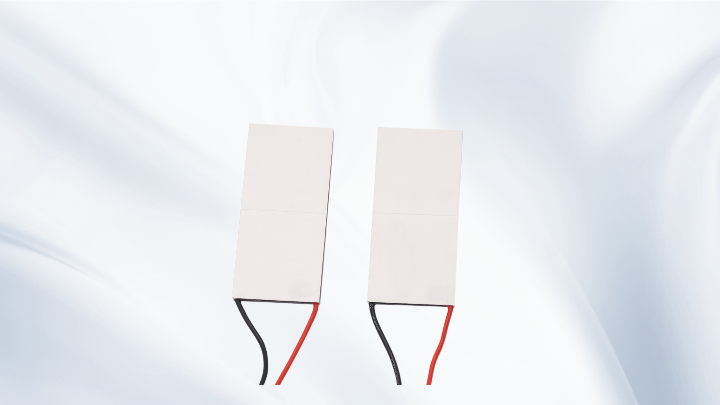
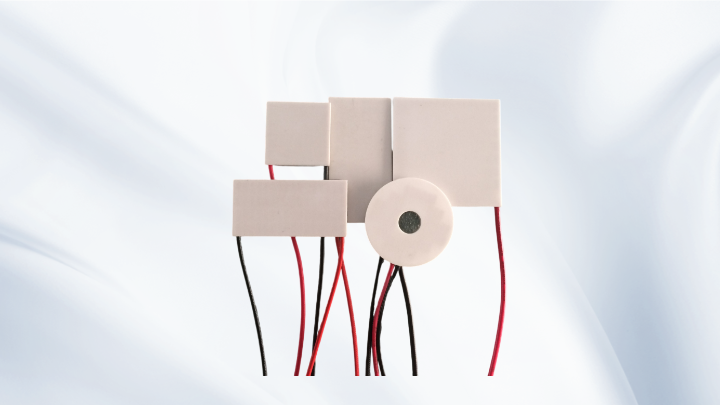
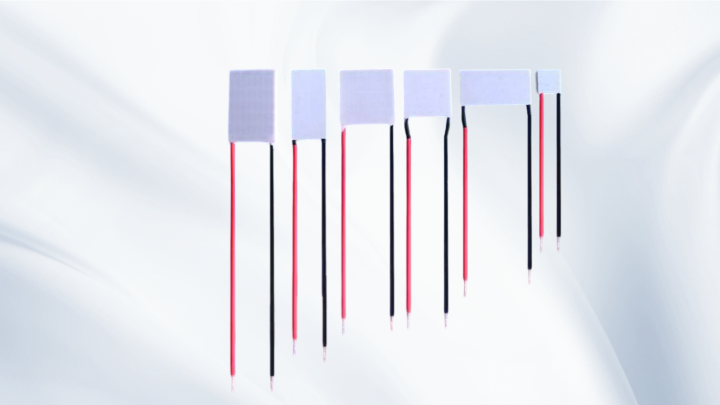
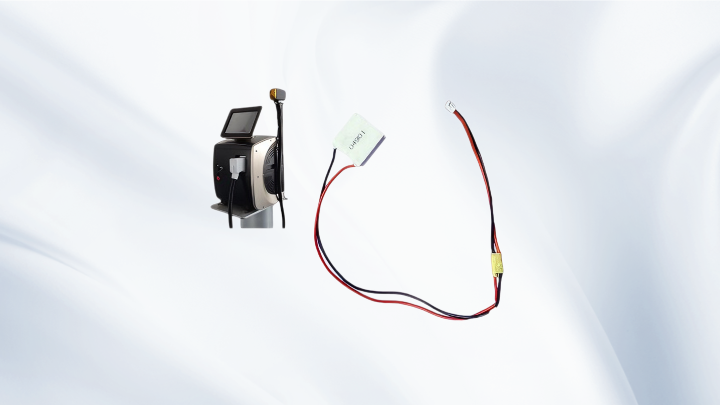
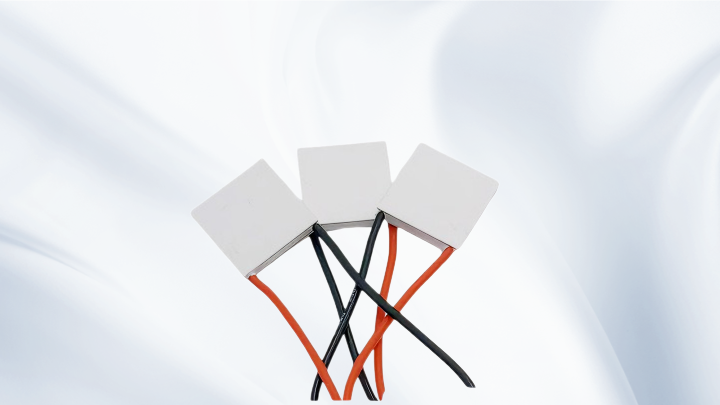
A thermoelectric cooler (TEC) uses the Peltier effect to create a heat flux between two different types of materials. Unlike compressor-based refrigerators, TECs have no moving parts or refrigerants, making them quieter, more compact, and often more reliable in harsh environments. However, not all TECs are created equal—their cooling capacity and durability vary widely based on design and component quality.
Key Indicators of a Reliable Thermoelectric Cooler
To ensure you get a reliable device, look for these signs: high-quality build materials, such as anodized aluminum or stainless steel; robust wiring and connectors that resist corrosion; and a strong warranty (typically 2+ years). Reliable models also include over-temperature protection and low-noise fans that can operate continuously without failure. User reviews and brand reputation are also telling—companies like Dometic, Engel, and Whynter have proven track records in the outdoor and RV market.
What Makes a Thermoelectric Cooler Capable?
A capable thermoelectric cooler is defined by its ability to maintain a consistent temperature differential (usually 20-40°C below ambient) under varying conditions. Key specs include: cooling power measured in watts (higher wattage means faster temperature pull-down), insulation thickness (at least 2 inches for effective heat retention), and a dual-fan system for efficient heat dissipation. Additionally, a digital thermostat with precise controls (within ±1°C) is essential for sensitive items like medications or biological samples.
Applications: Where Reliability and Capability Are Crucial
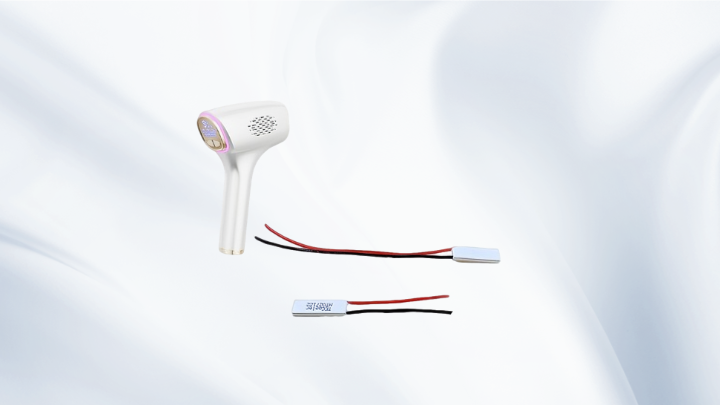
Whether you are camping in the desert, transporting vaccines, or cooling electronics, a reliable and capable TEC makes all the difference. For instance, in medical transport, failure could mean spoiled insulin. In photography, a TEC can protect camera sensors from overheating during long exposures. In food storage, it keeps drinks cold and meat fresh. The versatility of TECs means they are used in automotive, marine, and even home brewing setups.
Top Features to Look For
When shopping, prioritize: (1) Temperature range: ideally from -20°C to +10°C below ambient. (2) Power consumption: efficient models use less energy, critical for battery-operated use. (3) Portability: lightweight and ergonomic handles. (4) Seal quality: gasketed lids prevent air leaks. (5) Smart control: Bluetooth or app connectivity for monitoring. A reliable and capable cooler will often have a dual-stage TEC module that can achieve deeper cooling when needed.
Comparison: TEC vs. Compressor vs. Ice Coolers
Thermoelectric coolers are ideal when quiet operation and durability are priorities, but they cannot match the deep freezing of compressor models. Compressor coolers can reach -18°C and below, but they are louder and less tolerant of tilting. Ice coolers require no power but need pre-frozen ice packs and have limited temperature control. For many users, a reliable TEC offers the best balance of performance, portability, and cost.
Maintenance Tips for Longevity
To keep your cooler reliable, regularly clean the fan vents with compressed air, avoid overloading the unit (which can strain the TEC module), and store it in a dry place when not in use. Check the power cord for fraying and ensure connections are tight. If the cooler stops cooling effectively, it may be due to a failed fan or degraded thermal paste—simple fixes that can restore capability.
Common Questions
How long do thermoelectric coolers last? With proper care, a high-quality unit can last 5–10 years. The TEC module itself is solid-state and durable, but fans and controllers may wear out.
Can a thermoelectric cooler work in hot weather? Yes, but its efficiency drops as the ambient temperature rises. A capable model can still maintain a 30°C differential even in 40°C heat, though run times increase.
Are thermoelectric coolers good for freezing? Most cannot freeze solid; they excel at cooling. However, some high-powered models with two-stage pelts can reach sub-zero temperatures for short periods.
How much power do they consume? Typically 30–100 watts, depending on size and cooling demand. They are less efficient than compressors but draw less peak current, making them suitable for portable battery packs.
Do I need a special power source? Many run on 12V DC (cigarette lighter) or 120V AC with an adapter. Check compatibility with your vehicle or solar setup.
Conclusion: Invest in the Best
Selecting a reliable and capable thermoelectric cooler requires attention to build quality, thermal performance, and application-specific needs. While initial cost may be higher for premium models, the longevity and peace of mind they provide are worth it. Whether for outdoor adventures, professional medical use, or everyday convenience, a well-chosen TEC will serve you reliably for years.
Related Posts