




Industry-Leading Thermoelectric Cooler: Revolutionizing Thermal Management
Introduction to Thermoelectric Coolers
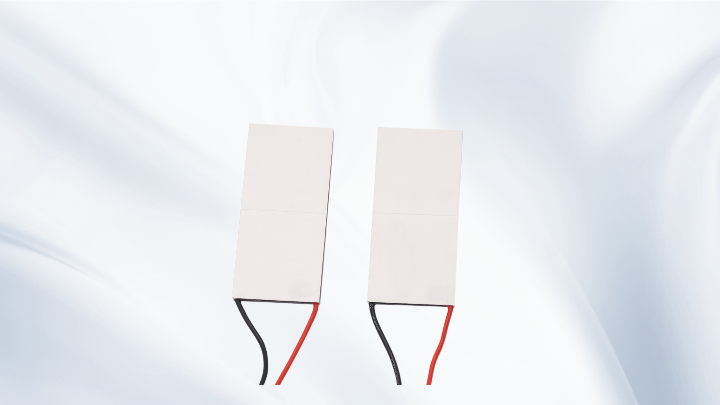
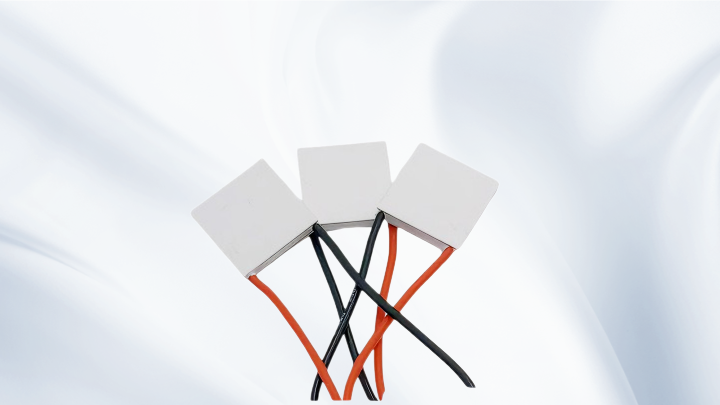
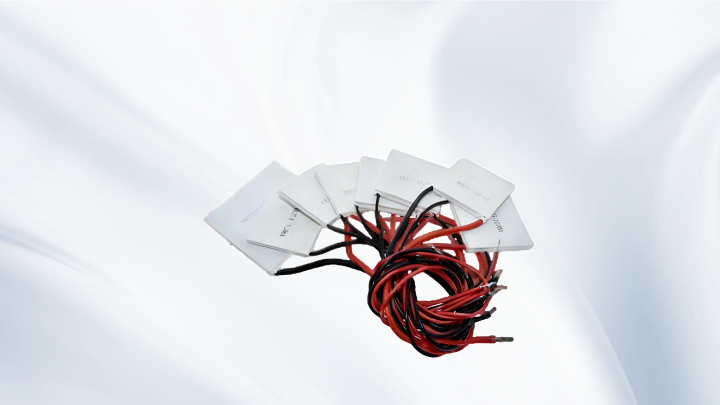
Thermoelectric coolers (TECs), also known as Peltier coolers, are solid-state heat pumps that transfer heat from one side of the device to the other when an electric current is applied. Unlike traditional compressor-based cooling systems, TECs have no moving parts, making them highly reliable and maintenance-free. They are ideal for applications requiring precise temperature control, such as laser diode cooling, medical devices, and scientific instruments. The industry-leading thermoelectric cooler achieves superior performance through advanced materials and optimized design.
Key Features of Industry-Leading TECs
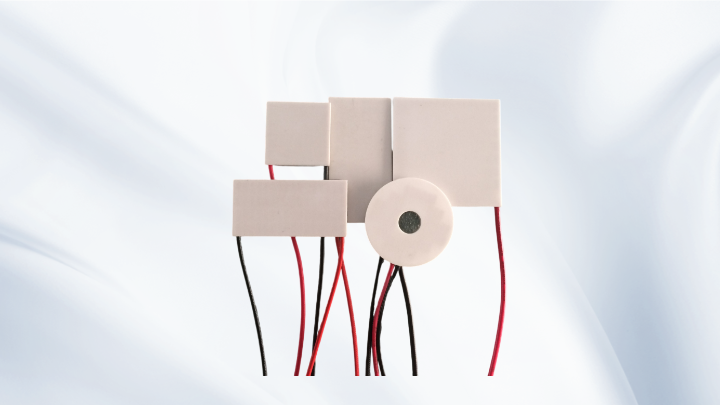
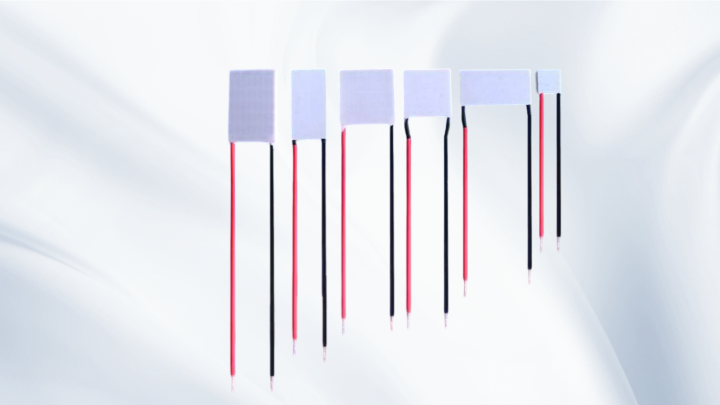
The top-tier thermoelectric coolers stand out due to several critical features. First, they utilize high-performance bismuth telluride semiconductor materials that maximize the Seebeck effect, resulting in higher cooling capacity and coefficient of performance (COP). Second, industry-leading TECs incorporate advanced ceramic substrates like aluminum nitride (AlN) for superior thermal conductivity and electrical isolation. Third, they are designed with precise manufacturing tolerances to ensure consistent performance across batches. Finally, these coolers often come with customizable form factors to fit specific application requirements.
Performance Metrics: What Makes a TEC Industry-Leading?
To qualify as industry-leading, a thermoelectric cooler must excel in key metrics: maximum temperature difference (ΔTmax), cooling capacity (Qmax), and reliability. ΔTmax indicates the maximum temperature difference the cooler can achieve between hot and cold sides, often exceeding 70°C for single-stage modules. Qmax measures the maximum heat that can be pumped at zero temperature difference. Industry leaders achieve Qmax values of over 200 watts while maintaining a compact footprint. Reliability is quantified through accelerated life testing (e.g., 200,000+ thermal cycles) and proven MTBF (mean time between failures) of over 1 million hours.
Advanced Materials and Design
Cutting-edge thermoelectric coolers leverage nanostructured thermoelectric materials to reduce thermal conductivity while enhancing electronic transport, thereby improving the figure of merit (ZT). Some manufacturers use segmented legs with different materials to optimize performance over a wider temperature range. Additionally, the electrical interconnects are designed with nickel or diffusion barriers to prevent metal migration and ensure long-term stability. The industry lead also extends to thermal interface materials (TIMs) that reduce contact resistance, improving overall system efficiency.
Applications in High-Tech Industries
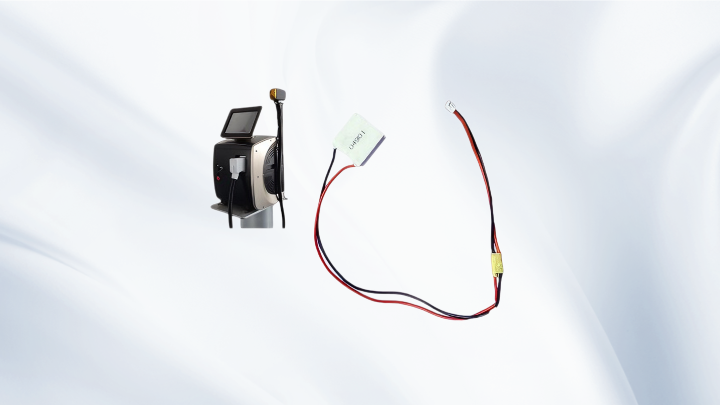
Industry-leading TECs are essential in numerous high-tech sectors. In photonics and lasers, they stabilize diode laser wavelengths by maintaining a constant temperature, critical for telecommunications and medical lasers. In medical diagnostics, TECs are used in DNA thermal cyclers, blood analyzers, and infrared detectors. The automotive industry employs them in seat cooling systems and battery thermal management for electric vehicles. Moreover, in consumer electronics, TECs enhance performance of CPUs, GPUs, and solid-state drives (SSDs) by managing heat in compact devices. The reliability and precision of industry-leading TECs enable these applications to achieve higher efficiency and longer lifespan.
Why Choose an Industry-Leading Thermoelectric Cooler?
Selecting the right TEC is crucial for product success. Industry-leading coolers offer superior temperature stability (within ±0.1°C) and fast response times (sub-second) necessary for dynamic thermal environments. They provide higher efficiency (COP >0.5 at small ΔT) resulting in lower power consumption and less heat generation. Furthermore, top manufacturers offer design support and custom solutions, including multistage modules for large ΔT needs and integrated heat sinks for complete thermal management systems. Choosing a TEC from a reputable company also ensures regulatory compliance (e.g., RoHS, REACH) and access to rigorous testing data.
Future Trends and Innovations
The thermoelectric cooler market is evolving with several exciting trends. Researchers are exploring flexible and transparent TECs for wearable electronics. Thin-film TECs based on superlattices are pushing the limits of speed and miniaturization. Additionally, waste heat recovery using TECs is gaining traction in industrial and automotive sectors. Industry-leading companies are investing in AI-driven thermal management that integrates TECs with predictive algorithms for optimal performance. As cooling demands become more stringent, the role of advanced thermoelectric coolers will continue to expand.
常见问题 (Frequently Asked Questions)
1. What is the lifespan of an industry-leading TEC?
Typically, high-quality TECs have a lifetime exceeding 200,000 hours, with some rated for over 1 million hours in proper operating conditions. Factors such as thermal cycling, humidity, and current levels can affect longevity.
2. Can TECs be used for heating?
Yes, reversing the current direction allows TECs to switch between cooling and heating, making them ideal for applications requiring bidirectional temperature control, such as constant temperature baths.
3. How do I choose the right TEC for my application?
Consider your required cooling capacity (Qc), desired temperature difference (ΔT), hot side temperature, voltage/current constraints, and physical footprint. Consult manufacturer datasheets and application support for tailored recommendations.
4. Are there environmental concerns with TECs?
Thermoelectric coolers are environmentally friendly as they contain no refrigerants or moving parts. They are RoHS compliant and have a lower carbon footprint compared to vapor-compression systems for small-scale cooling.
Related Posts