




The Ultimate Guide to Choosing a High-Quality Thermoelectric Cooler
Understanding Thermoelectric Coolers
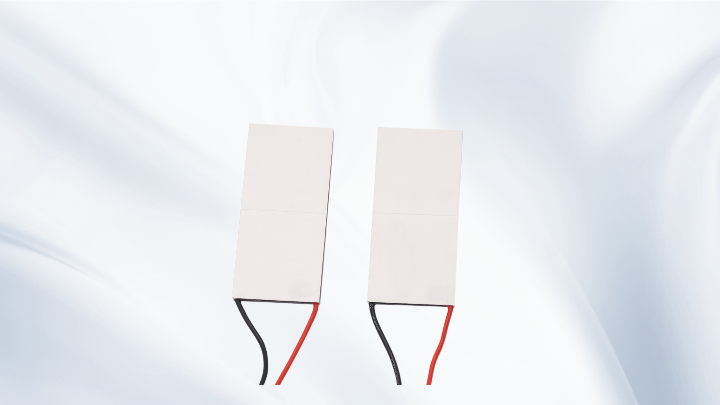
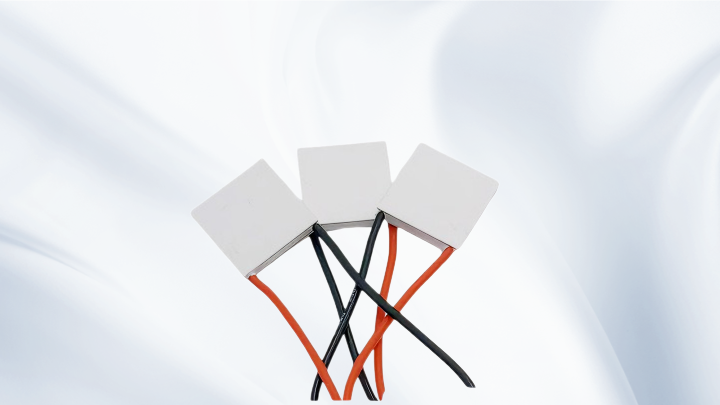
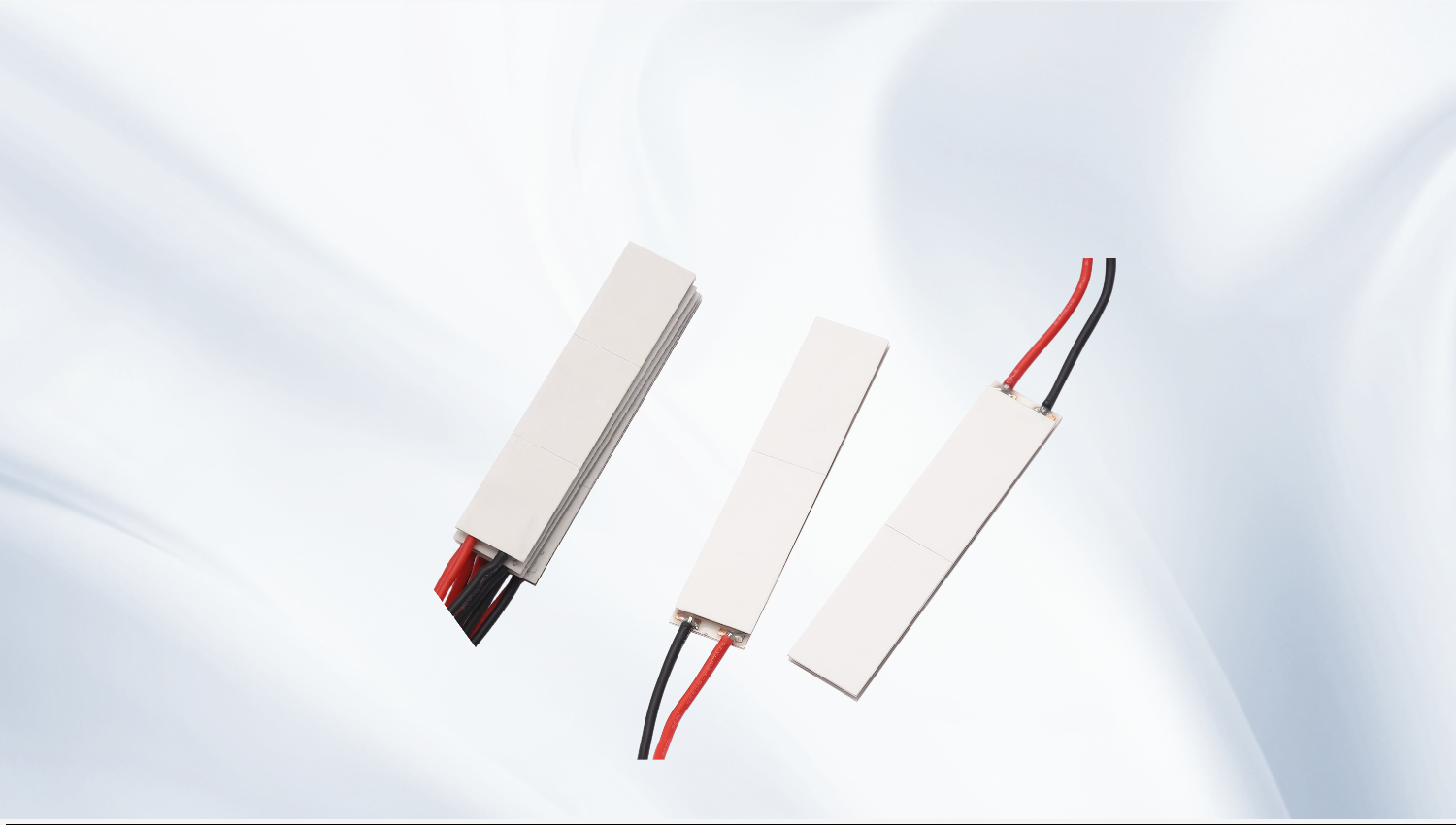
A thermoelectric cooler (TEC) is a solid-state device that uses the Peltier effect to transfer heat from one side to the other when an electric current is applied. Unlike traditional compressor-based coolers, TECs are compact, vibration-free, and require no refrigerants, making them ideal for applications where size and reliability are critical. A high-quality thermoelectric cooler ensures efficient heat transfer, long operational life, and precise temperature control, which is essential in fields such as laser diode cooling, DNA amplification, and environmental chambers.
Key Features of a High-Quality Thermoelectric Cooler
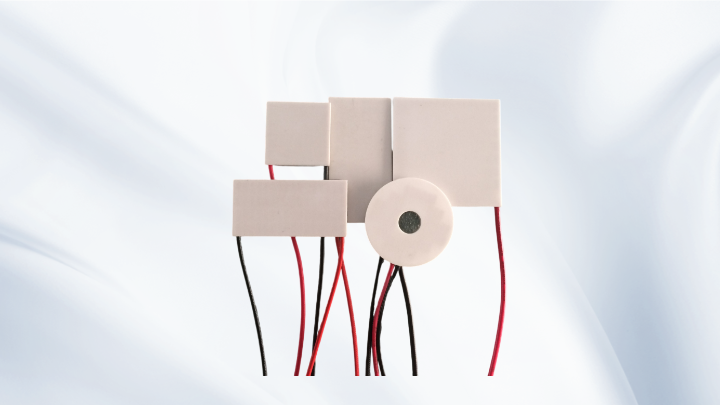
When selecting a TEC, consider the following features that distinguish premium models from standard ones. High-quality TECs utilize advanced semiconductor materials like bismuth telluride, which offer superior thermoelectric performance. They also have robust ceramic substrates that provide excellent thermal conductivity and electrical insulation. Additionally, look for devices with low thermal resistance and high reliability under thermal cycling, as these factors directly impact the cooler's lifespan and performance.
Performance Metrics to Evaluate
Key performance indicators include the coefficient of performance (COP), which measures the ratio of cooling capacity to input power. A high COP indicates better energy efficiency. Maximum temperature difference (ΔTmax) and heat pumping capacity (Qmax) are also critical; a high-quality TEC should achieve ΔTmax of over 70°C and Qmax suitable for your load. Always verify these specifications against your application requirements to avoid under- or over-sizing.
Applications That Demand High-Quality TECs
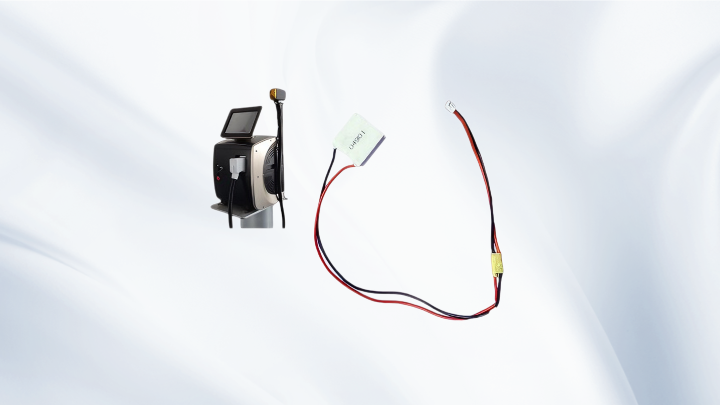
High-quality thermoelectric coolers are indispensable in medical diagnostics, such as PCR machines that require precise thermal cycling, and in telecommunications for cooling laser diodes to maintain wavelength stability. They are also used in automotive seat cooling systems and portable refrigerators for camping or pharmaceuticals. In each case, a reliable TEC ensures consistent performance, preventing thermal runaway or temperature drift that could compromise device functionality.
How to Choose the Right TEC
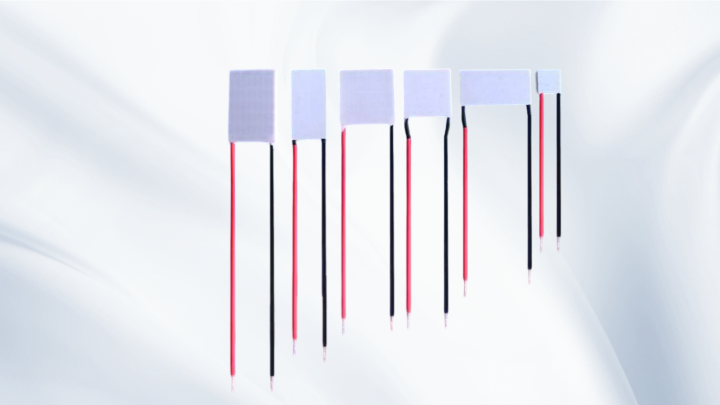
Start by calculating the thermal load (in watts) that needs to be removed from your device. Then, select a TEC with a heat pumping capacity that exceeds this load by 20-30% for efficiency. Consider the operating environment: ambient temperature, humidity, and vibration levels. For instance, in high-humidity environments, choose a TEC with a protective coating to prevent condensation damage. Also, match the TEC's physical dimensions to your mounting space and ensure proper thermal interface material (like thermal paste) is used for optimal heat transfer.
Common Mistakes to Avoid
A frequent error is using a TEC without a heatsink. TECs generate heat on the hot side that must be dissipated; otherwise, performance degrades rapidly. Another mistake is overvolting the TEC, which can cause thermal stress and reduce lifespan. Always operate within the manufacturer's recommended voltage and current limits. Additionally, avoid soldering directly to TEC terminals; instead, use crimp connectors or solder with care to prevent heat damage.
常见问题
1. What is the lifespan of a high-quality thermoelectric cooler?High-quality TECs typically last between 50,000 to 200,000 hours of continuous operation, depending on thermal cycling and operating conditions. Proper heatsinking and avoiding thermal shock can extend their life.
2. Can a TEC achieve temperatures below 0°C?Yes, with a multi-stage TEC, you can reach temperatures as low as -80°C. However, single-stage TECs typically achieve ΔTmax of around 70°C, so if ambient is 25°C, the cold side can reach -45°C under optimal conditions.
3. How does a TEC compare to compressor-based cooling?TECs are smaller, quieter, and more reliable in harsh environments, but they are less efficient for large heat loads. For cooling below 100W, TECs are often preferred; above that, compressors may be more energy-efficient.
Related Posts