




The Ultimate Guide to Thermoelectric Coolers: How They Work, Benefits, and Applications
Introduction to Thermoelectric Coolers
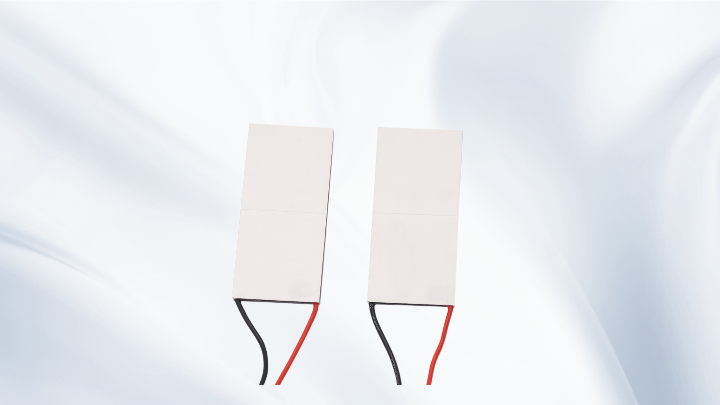
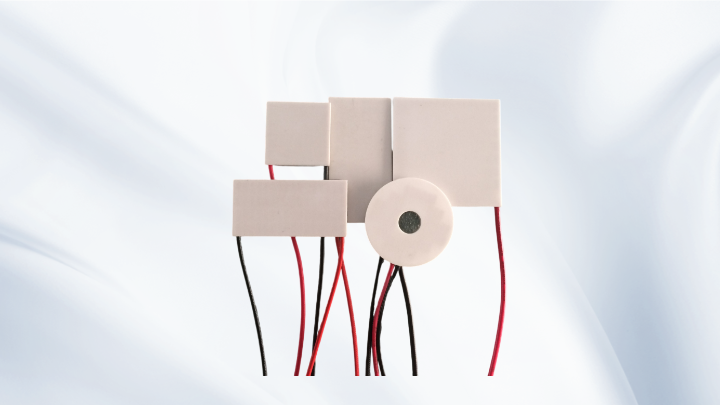
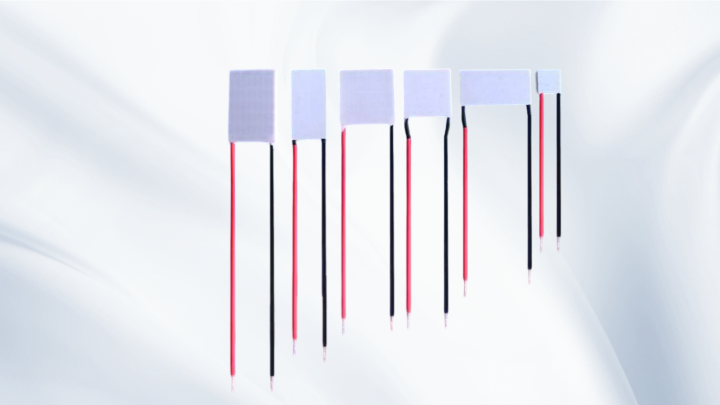
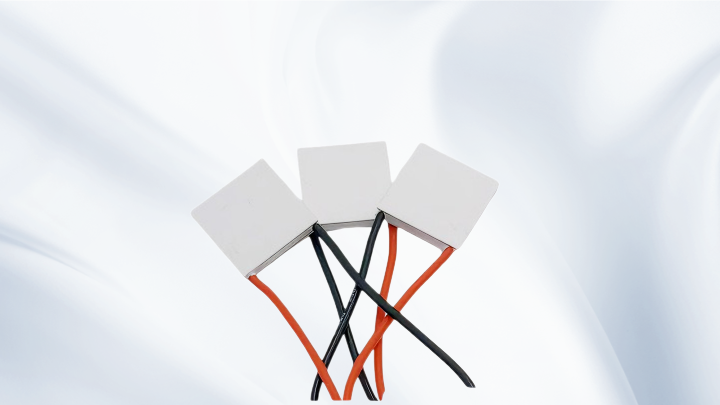
A thermoelectric cooler (TEC), also known as a Peltier device, is a semiconductor-based heat pump that can either cool or heat depending on the direction of electric current. When current flows through the device, it creates a temperature difference: one side becomes cold while the other becomes hot. This effect is called the Peltier effect, discovered by Jean Charles Athanase Peltier in 1834. TECs are solid-state, meaning they have no moving parts, which makes them highly reliable and maintenance-free. They are commonly used in applications requiring precise temperature control, such as laser diode cooling, medical devices, and portable coolers.
How Does a Thermoelectric Cooler Work?
A thermoelectric cooler consists of two different types of semiconductor materials (n-type and p-type) connected electrically in series and thermally in parallel. These semiconductors are placed between two ceramic plates. When a DC voltage is applied, electrons and holes move, carrying heat from the cold side to the hot side. The cold side absorbs heat from the environment, while the hot side dissipates it via a heatsink or fan. The cooling capacity is determined by the number of thermocouples (p-n pairs) and the current applied. For example, a typical TEC can achieve a temperature difference of up to 70°C between its sides. It's important to note that TECs are less efficient than vapor-compression refrigerators for large cooling loads, but they excel in compact, low-power, and precise applications.
Key Advantages of Thermoelectric Coolers
TECs offer several benefits over traditional cooling methods. First, they are compact and lightweight, making them ideal for portable devices. Second, they operate silently since they have no compressors or fans (though a fan may be needed for heat dissipation). Third, they provide precise temperature control within ±0.1°C by adjusting the current. Fourth, they are environmentally friendly, as they do not use refrigerants that harm the ozone layer. Finally, they can switch between cooling and heating by reversing the current, making them versatile for temperature cycling. These advantages make TECs popular in scientific instruments, automotive seats, and small refrigerators.
Common Applications of Thermoelectric Coolers
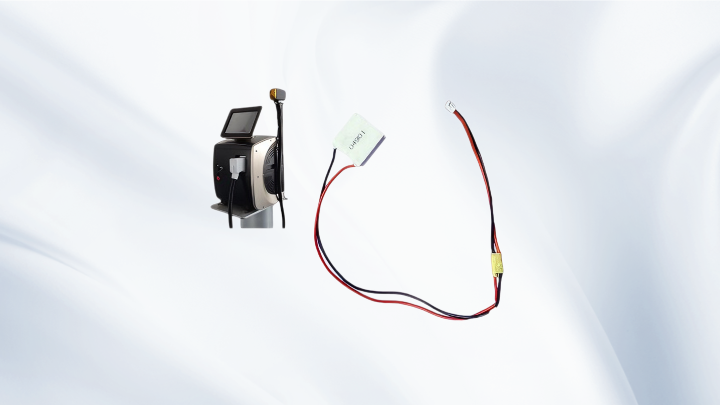
Thermoelectric coolers are used in a wide range of industries. In electronics, they cool CPUs, laser diodes, and infrared detectors to maintain performance. In medical devices, they control the temperature of blood analyzers, PCR machines, and portable drug coolers. In consumer products, they are found in portable coolers for cars, camping, and wine cabinets. Additionally, TECs are used in industrial applications such as cooling photonic components and environmental chambers. With the rise of thermal management in electric vehicles and data centers, TECs are becoming more important for spot cooling and temperature stabilization.
How to Choose the Right Thermoelectric Cooler
Selecting a TEC involves considering several parameters: cooling capacity (Qmax) in watts, maximum temperature difference (ΔTmax), and operating current/voltage. You need to match the TEC's performance to your heat load and desired temperature. For example, if you need to cool a small component from 25°C to 10°C with a 5W heat load, a TEC with Qmax of 10W and ΔTmax of 40°C would be sufficient. Also, consider the size and coefficient of performance (COP). For high efficiency, choose a TEC with a high COP at your operating point. Many manufacturers provide performance curves to help you select. Additionally, ensure proper heat sinking on the hot side; otherwise, the TEC may overheat and fail.
Installation and Best Practices
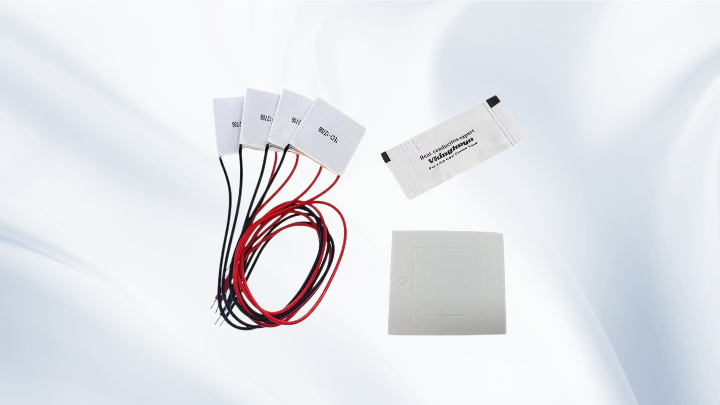
Proper installation is critical for TEC performance. Use thermal grease or a thermal pad between the TEC and the heat sink to reduce thermal resistance. Apply even pressure to ensure good contact. The hot side must be kept cool, typically with a heatsink and fan, to maintain a low hot-side temperature. Avoid exceeding the maximum operating temperature (usually 80°C). For long-term reliability, consider using a TEC with a moisture barrier to prevent condensation from damaging the semiconductor. When soldering wires, use a low-temperature iron to avoid heat damage. Finally, test the device at low current first to verify polarity and performance.
Limitations and Considerations
Despite their advantages, TECs have limitations. They are less efficient than compressor-based systems for large cooling loads, often with a COP below 1. They also generate waste heat on the hot side that must be dissipated. If not managed properly, the heat can affect nearby components. Additionally, TECs are sensitive to repeated thermal cycling, which can cause mechanical stress. However, when used correctly, they provide reliable and precise cooling for small-scale applications. For high-power cooling, consider hybrid systems that combine TECs with other cooling methods.
Frequently Asked Questions
Q: Can a thermoelectric cooler be used as a heater?Yes, by reversing the current, the cold side becomes hot and the hot side becomes cold. This allows the device to both cool and heat, making it useful for temperature cycling applications.
Q: How long do thermoelectric coolers last?Typically, TECs have a lifespan of over 200,000 hours (about 20 years) under normal operating conditions, as they have no moving parts. However, factors like high temperature, humidity, and thermal cycling can reduce their lifetime.
Q: Do thermoelectric coolers need a fan?Not always, but a fan is often required on the hot side to dissipate heat effectively, especially when the TEC is used for cooling. Without proper heat sinking, the temperature difference may decrease or the device may overheat.
Q: Are thermoelectric coolers environmentally friendly?Yes, they do not use harmful refrigerants like CFCs or HFCs. However, the power generation for driving TECs may have environmental impact, but the devices themselves are considered green.
Q: What is the maximum temperature difference achievable?Standard single-stage TECs can achieve a ΔTmax of about 70°C (from hot to cold side) under ideal conditions. Multistage TECs can reach over 100°C, but with reduced cooling capacity.
Related Posts