




The Ultimate Guide to Durable Thermoelectric Cooling Modules: Design, Applications, and Longevity
What Makes a Thermoelectric Cooling Module Durable?
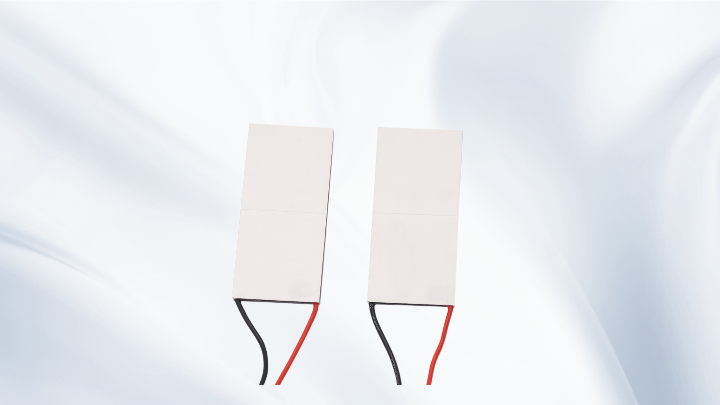
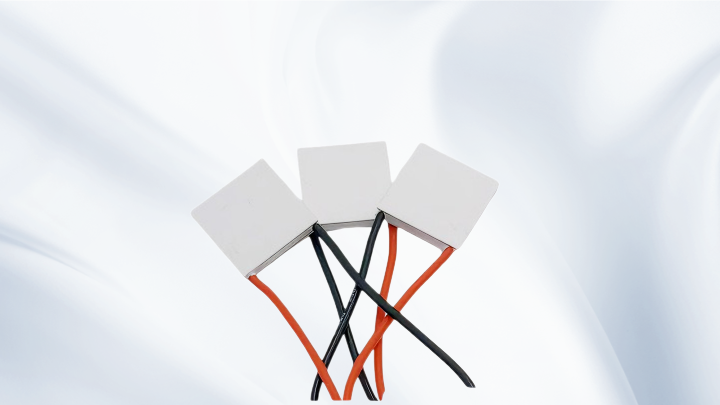
A durable thermoelectric cooling module is designed to withstand mechanical stress, thermal cycling, and environmental factors. Key factors include robust solder joints, high-quality thermoelectric materials like bismuth telluride, and protective coatings against moisture and corrosion. Modules with ceramic substrates (alumina or aluminum nitride) offer better thermal expansion matching and reduced cracking. Additionally, hermetic sealing prevents performance degradation in humid conditions.
Critical Design Features for Longevity
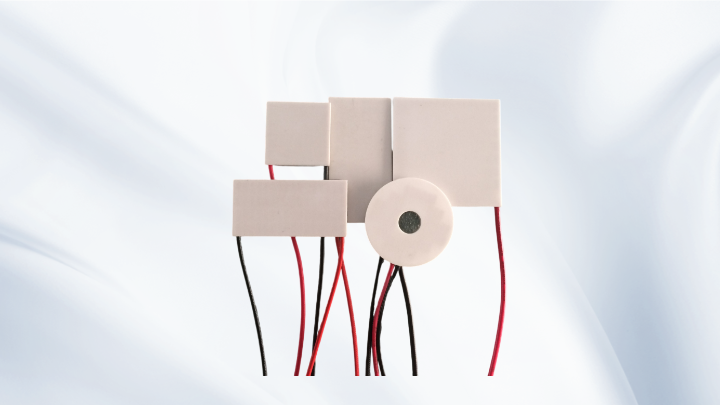
Durable modules incorporate reinforced electrical contacts to withstand vibration and frequent temperature changes. The number of thermoelectric couples and element size affect both cooling capacity and mechanical stability. Modules with higher filler materials (e.g., silicone-based) reduce thermal stress. For high-reliability applications, redundant wiring and stress-relieved leads are essential. Always check the maximum operating temperature and thermal cycling rating (often 100,000+ cycles for quality modules).
Applications Requiring Durable Cooling Modules
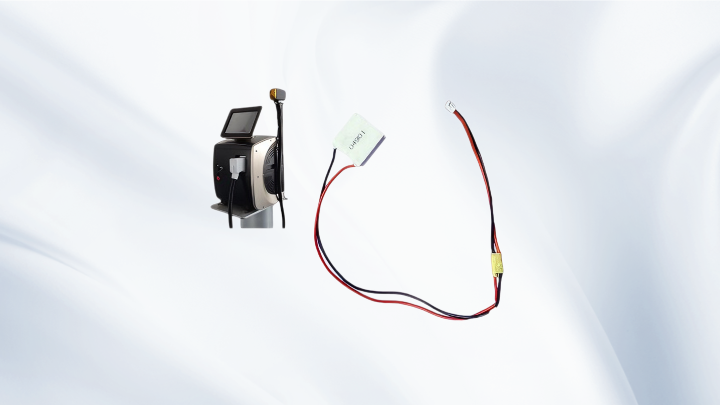
Industries such as telecommunications, medical diagnostics, and defense demand modules that operate continuously. Laser diodes, infrared sensors, and DNA analyzers rely on precise temperature control. In automotive, modules cool batteries and seats, facing vibration and temperature extremes. Industrial process chillers use durable modules for spot cooling. For these applications, choose modules with MTBF (Mean Time Between Failures) exceeding 200,000 hours.
How to Select a Durable Module
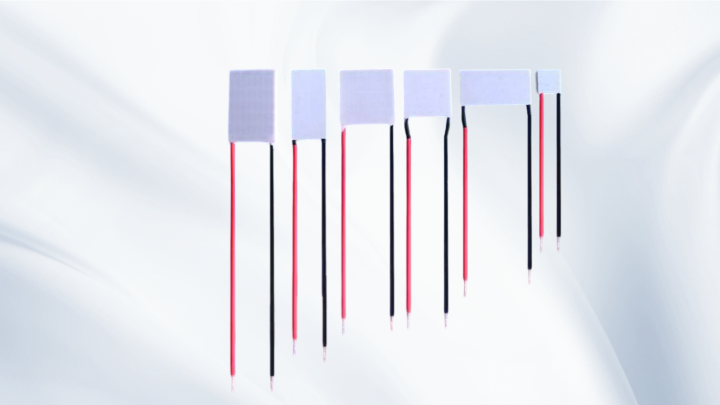
Consider Delta T (maximum temperature difference), Qc (cooling capacity), and voltage/current ratings. Ensure the module's hot side temperature remains within limits (typically <100°C). For durability, opt for modules with gold-plated contacts to prevent oxidation. Always match the module to your thermal management system—a properly sized heat sink and fan are critical. Use thermal interface materials (TIMs) with low thermal resistance, like graphite pads or phase change materials, to avoid hot spots.
Installation and Handling Tips
Handle modules carefully: avoid touching the ceramic surfaces with bare hands (oils reduce performance). Apply uniform mounting pressure using a spring-loaded mechanism rather than rigid screws. Use a thermal paste with high thermal conductivity (e.g., 3-5 W/mK). Prevent thermal shock by gradually ramping power. For long-term reliability, monitor the cold side temperature and avoid exceeding the maximum current rating.
Common Failure Modes and Prevention
Common issues include solder fatigue from thermal cycling, cracked ceramics from mechanical stress, and element degradation due to moisture. To prevent these: use stress-relieved solder joints, mount on flexible substrates if needed, and seal the module with conformal coating. Overcurrent can cause rapid failure—always use a current-limited power supply. Reverse polarity heats the cold side, damaging the module.
常见问题
How long do durable thermoelectric cooling modules typically last?With proper design and usage, quality modules can last over 200,000 hours or more than 20 years of continuous operation. Thermal cycling (e.g., on/off) reduces lifespan; expect 100,000+ cycles if rated.
Can I use a thermoelectric module for cooling without a heat sink?No, a heat sink is mandatory to dissipate heat from the hot side. Without it, the module will quickly overheat and fail. Use forced air or liquid cooling for high heat loads.
What is the best way to connect wires to a durable module?Use soldering with a low-temperature solder (e.g., Sn42Bi58) to avoid damaging the module. Alternatively, crimp connectors or screw terminals can be used, but ensure low resistance. Strain relief is critical for preventing wire breakage.
How do I know if my module is failing?Signs include increased internal resistance (measured with a multimeter), reduced cooling performance, or visible cracks on ceramics. Regular monitoring of current draw can also indicate degradation.
Are there any environmental restrictions for using thermoelectric modules?Modules can operate in vacuum (e.g., space) but require specially designed units. High humidity accelerates corrosion—use hermetic sealing. Avoid chemicals that attack the ceramic or solder.
Related Posts