




The Durable Thermoelectric Cooling Chip: A Game-Changer for Precision Temperature Management
Introduction to Durable Thermoelectric Cooling Chips
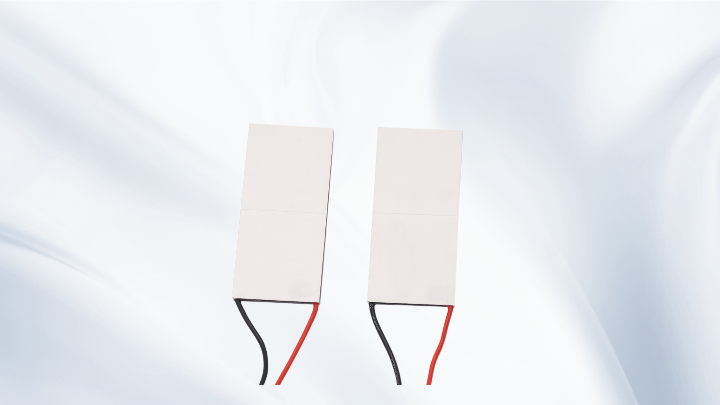
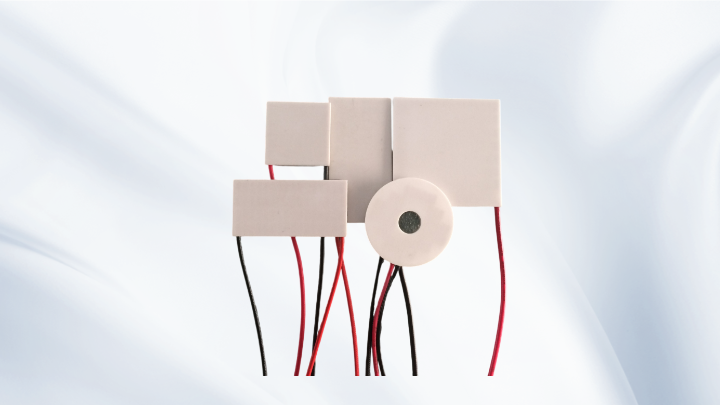
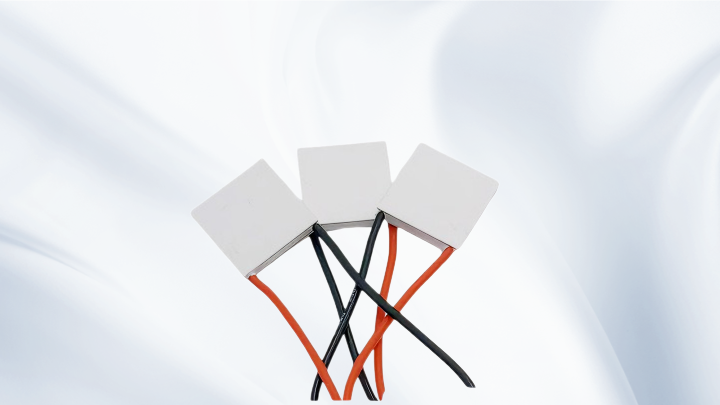
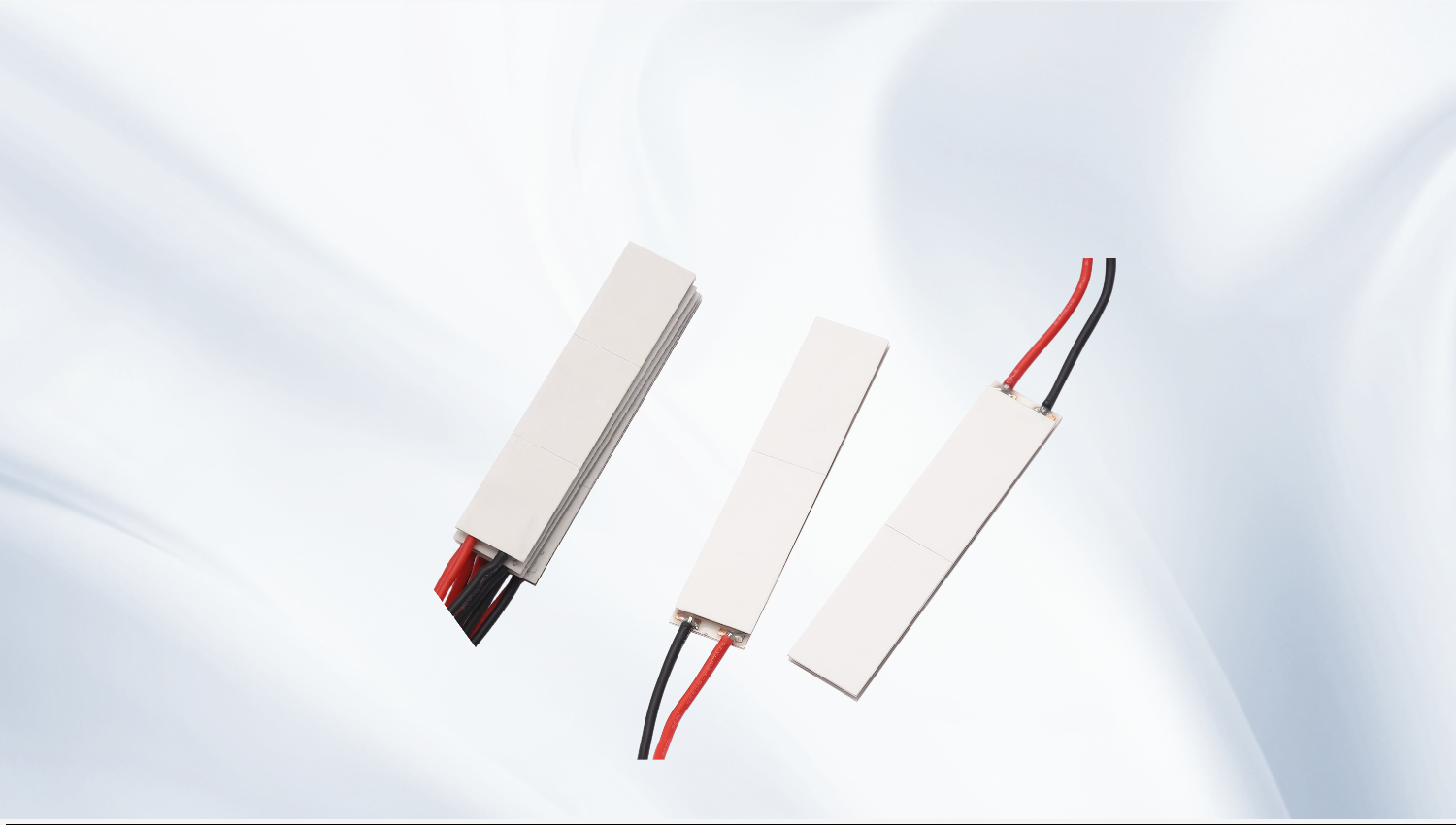
Thermoelectric cooling chips (TECs) are solid-state devices that use the Peltier effect to transfer heat from one side to another when an electric current is applied. Unlike traditional vapor-compression refrigeration, TECs have no moving parts, making them inherently robust and reducing mechanical failure. The durability of these chips is a key factor in their adoption across industries requiring precise temperature control, such as medical equipment, telecommunications, and scientific instrumentation. A durable TEC can withstand thermal cycling, humidity, and electrical stress while maintaining consistent performance over years of operation.
Key Factors Contributing to Chip Durability
Several design and material choices enhance the longevity of TECs. Advanced ceramic substrates, such as aluminum nitride (AlN) or beryllium oxide (BeO), provide excellent thermal conductivity and mechanical strength, reducing the risk of cracking under thermal stress. Bismuth telluride (Bi2Te3) thermoelements are optimized for high figure-of-merit (ZT) and low degradation over time. Additionally, diffusion barriers between the thermoelements and solder joints prevent material migration and failure. Encapsulation with epoxy or silicone protects against moisture and contaminants, which are common causes of performance drift. Manufacturers also use matched coefficient of thermal expansion (CTE) materials to minimize stress during temperature cycles.
Applications Requiring High Durability
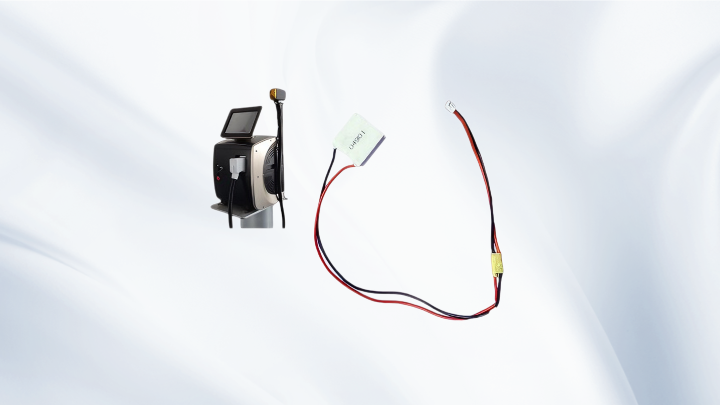
Durable TECs are critical in applications where reliability cannot be compromised. In medical diagnostics, such as PCR thermal cyclers, TECs must endure rapid temperature changes (e.g., from 4°C to 95°C) thousands of times without failure. Laser diode cooling in fiber-optic communication requires stable, long-life TECs to maintain wavelength precision and prevent thermal runaway. Automotive lidar systems rely on compact, rugged TECs to cool detectors in harsh environments with vibration and temperature extremes. In portable cold storage for vaccines or biologics, durable TECs ensure safe transport without maintenance.
Benefits of Long-Lasting TECs
Investing in high-durability TECs reduces total cost of ownership. Extended lifespan minimizes replacement frequency, which is especially valuable in remote or in-service equipment. Consistent thermal performance over time ensures accurate temperature control, preventing product spoilage or system malfunction. Lower failure rates enhance overall system reliability, reducing downtime. Furthermore, compact and lightweight design of TECs allows integration into space-constrained devices, while their environmentally friendly operation (no refrigerants) aligns with green initiatives.
How to Choose a Durable Thermoelectric Cooling Chip
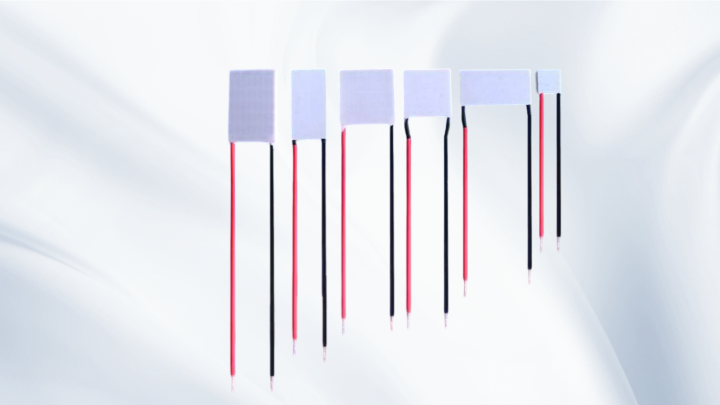
When selecting a TEC, consider the following parameters: Number of stages (single or multi-stage) affects maximum temperature differential and reliability; maximum operating temperature and thermal cycling endurance specified by the manufacturer; footprint and height for integration; solder type (e.g., gold-tin for higher reliability); and certifications like RoHS or medical device standards. Request qualification data, such as MTBF (Mean Time Between Failures) or accelerated life test results, to validate durability claims. Partner with reputable suppliers who offer custom designs and rigorous testing.
Common Questions About Durable Thermoelectric Cooling Chips
How long do thermoelectric cooling chips typically last?
With proper design and operating conditions, durable TECs can last over 200,000 hours (about 20 years) of continuous use. However, lifespan depends on thermal cycling frequency, current levels, and environmental factors.
Can TECs handle high humidity or condensation?
Yes, when properly sealed with conformal coating or epoxy. However, condensation on the cold side can still occur—using a moisture barrier or desiccant is recommended for extreme conditions.
What causes TEC failure?
Common failure modes include solder joint fatigue from thermal cycling, cracks in the ceramic plates due to mechanical stress, and diffusion of impurities into the thermoelements. High-quality manufacturing mitigates these issues.
Are there TECs that work in high-temperature environments?
Yes, specific models are designed for hot-side temperatures up to 200°C using advanced materials like skutterudites or half-Heusler alloys. These are less common but offer extended durability at high temperatures.
Related Posts