




The Ultimate Guide to Durable Thermoelectric Coolers: Performance, Longevity, and Top Applications
What Is a Durable Thermoelectric Cooler?
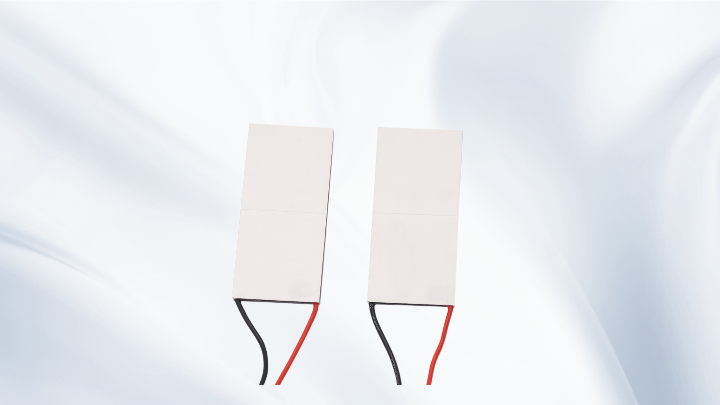
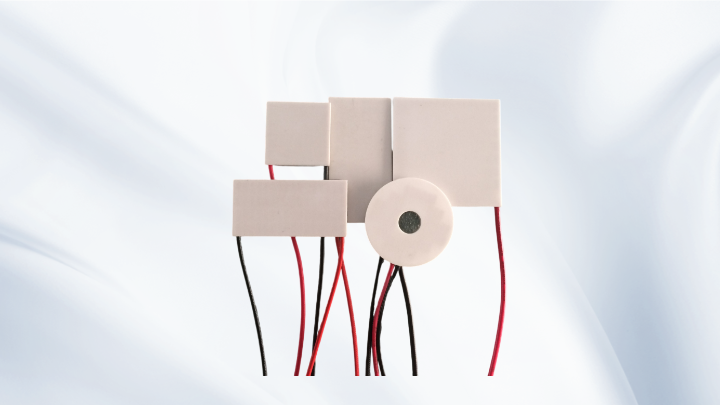
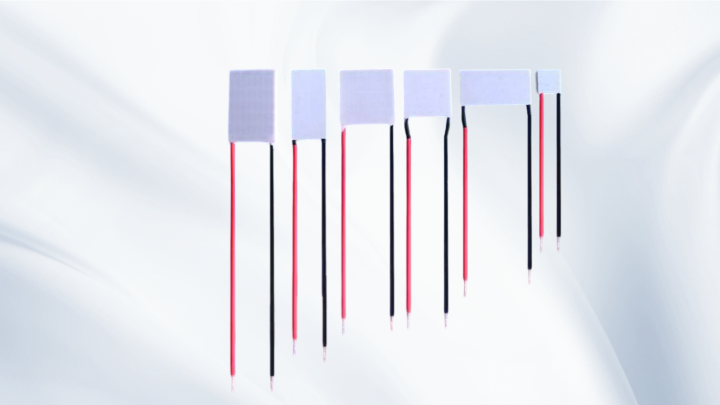
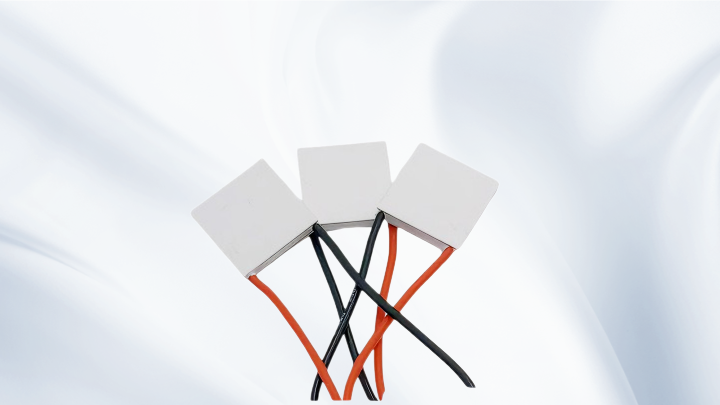
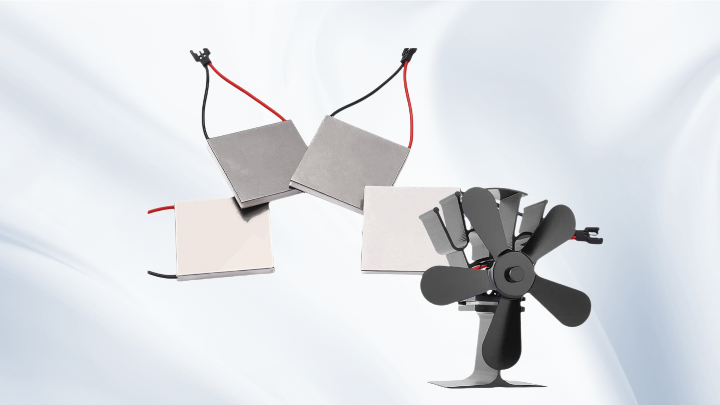
A durable thermoelectric cooler is a solid-state cooling device that leverages the Peltier effect to transfer heat without moving parts, making it inherently more reliable than compressor-based systems. Durability in such devices hinges on robust construction, high-quality materials, and advanced thermal management. Unlike traditional coolers, they are compact, silent, and resistant to mechanical wear, ideal for environments where vibration, tilt, or constant motion are factors. Key components include a thermoelectric module, heat sinks, and fans, all encased in a rugged housing that withstands humidity, dust, and temperature extremes.
Key Features That Enhance Durability
Several design elements contribute to a cooler's durability: ceramic substrates in the module resist thermal stress, while sealed enclosures protect against moisture and contaminants. Advanced semiconductor materials, such as bismuth telluride alloys, ensure consistent performance over thousands of hours. Additionally, built-in protection circuits prevent overvoltage, reverse polarity, and overheating. A durable unit often includes high-grade aluminum heat sinks and long-life ball bearing fans rated for continuous operation. These features collectively extend the lifespan well beyond typical consumer-grade coolers.
How to Choose a Long-Lasting Cooler
When selecting a durable thermoelectric cooler, prioritize models with industrial-grade components. Check the Mean Time Between Failures (MTBF) rating, ideally 50,000 hours or more. Look for IP65 or higher ingress protection for outdoor use. Verify that the thermoelectric module is attached with thermal epoxy rather than adhesive tape, as epoxy provides better heat transfer and mechanical stability. Also, consider units with variable speed fans to reduce noise and wear during low-load conditions. Finally, warranty length is a good indicator—top-tier manufacturers offer 3 to 5 years of coverage.
Best Practices for Extending Lifespan
To maximize the lifespan of your cooler, ensure proper airflow around the heat sink and fan; never block intake or exhaust vents. Regular cleaning of dust from fins and fans every three months prevents thermal throttling. Avoid operating the cooler beyond its rated ΔT (maximum temperature difference), as excessive load accelerates degradation. Use a dedicated power supply with stable voltage and current, as fluctuations can damage the semiconductor junctions. If the unit has a temperature controller, set it to cycle on and off rather than running continuously—this reduces thermal cycling stress. For portable models, store in a dry environment when not in use to prevent corrosion.
Applications That Demand Durability
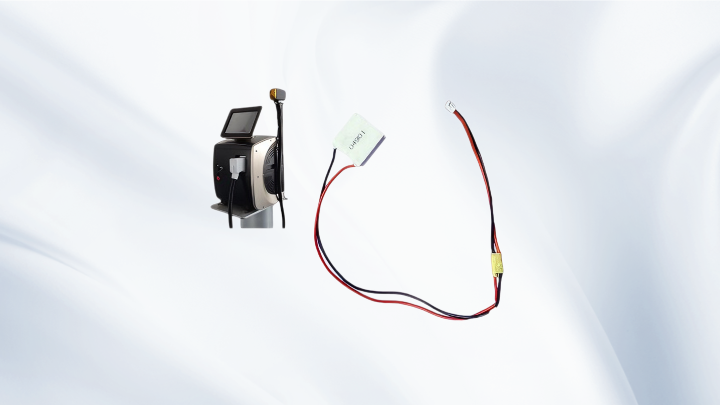
Durable thermoelectric coolers excel in medical, military, and industrial settings. In medical transport, they maintain vaccines and samples at precise temperatures during transit, often in ruggedized cases. Military electronics rely on them to cool sensors in tanks and aircraft where vibration is severe. Industrial laser systems use them to stabilize diode temperatures, ensuring consistent output. Even in outdoor recreation, durable coolers keep food fresh on extended camping trips without the noise of compressors. Their resistance to shock and tilt makes them ideal for marine applications, such as cooling on boats.
Common Maintenance Mistakes to Avoid
One frequent error is using the cooler in direct sunlight while expecting maximum efficiency—this forces the heat sink to dissipate heat into already hot air. Another is neglecting the fan’s operation; a failed fan can cause the module to overheat and fail within hours. Also, overvolting the unit to achieve faster cooling often leads to premature failure. Finally, not allowing the cooler to reach thermal equilibrium before judging performance can lead to complaints, but the device may be fine—just needs time. Following manufacturer guidelines for maximum ambient temperature (typically 40-50°C) is crucial.
Conclusion
Investing in a durable thermoelectric cooler pays off through reliable, maintenance-free cooling in demanding environments. By understanding key durability features, following best practices, and choosing the right model for your application, you can ensure years of efficient service. Remember to prioritize quality over cost—a well-built cooler is a long-term asset.
Frequently Asked Questions
How long does a thermoelectric cooler last?
With proper use, a durable unit can last 50,000 to 100,000 hours (5–11 years of continuous operation). Lower-quality models may fail after 10,000–20,000 hours.
Can I replace the fan or module myself?
Yes, many industrial coolers have replaceable fans, but modules are often soldered or epoxied—replacement requires technical skill. Check your model's serviceability.
Why does my cooler get hot on the outside?
That’s the heat being expelled from the cold side. Ensure the heat sink is clean and airflow is unobstructed. If it's too hot to touch (over 60°C), the fan may be failing.
Is a thermoelectric cooler energy-efficient?
They are less efficient than compressors for large temperature drops, but for small ΔT (e.g., 20°C below ambient), they can be quite competitive. Their main advantage is durability and silence.
Related Posts