




Durable TEC Products: The Key to Long-Lasting Thermal Management Solutions
Understanding Durable TEC Products
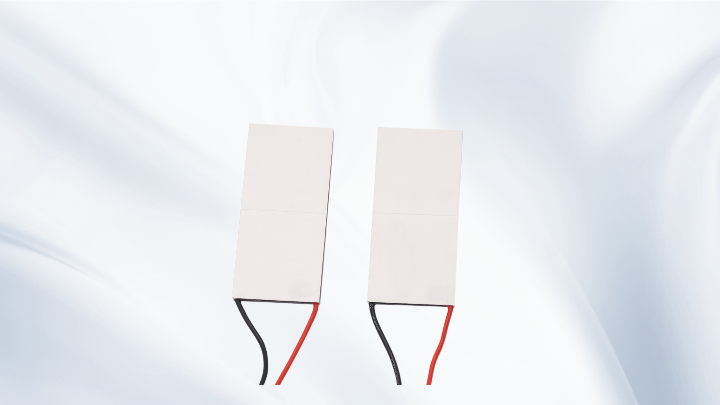
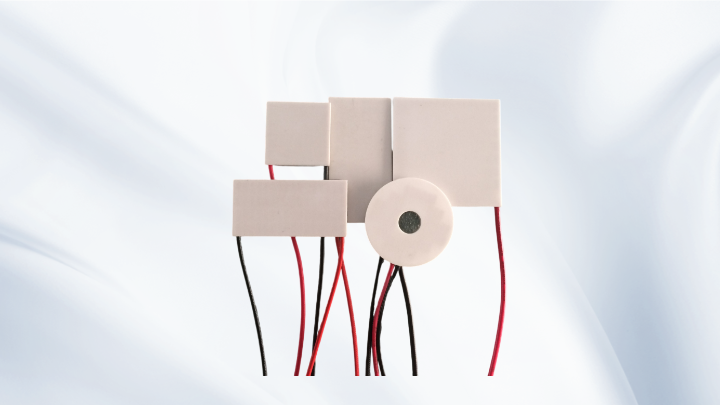
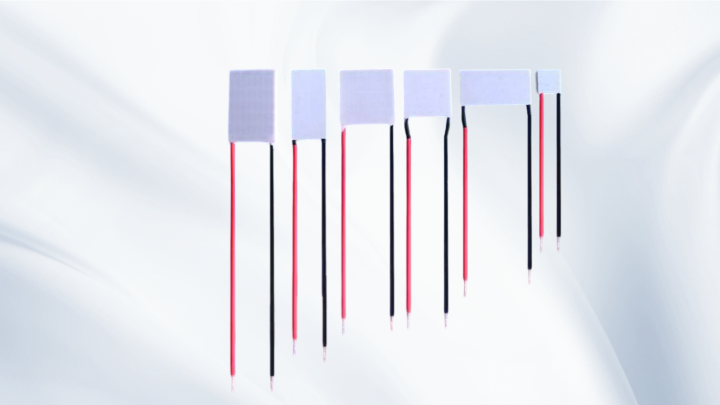
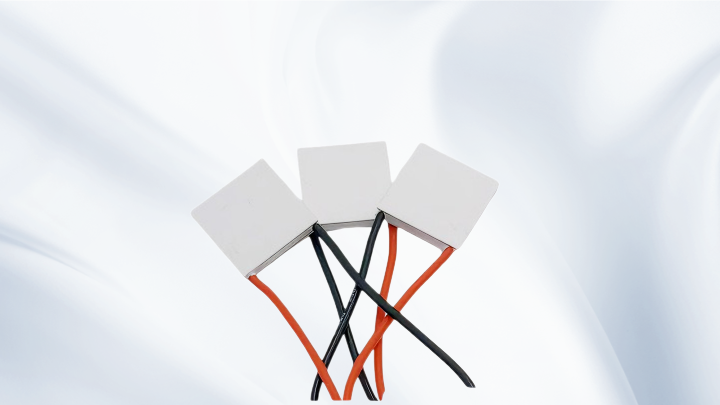
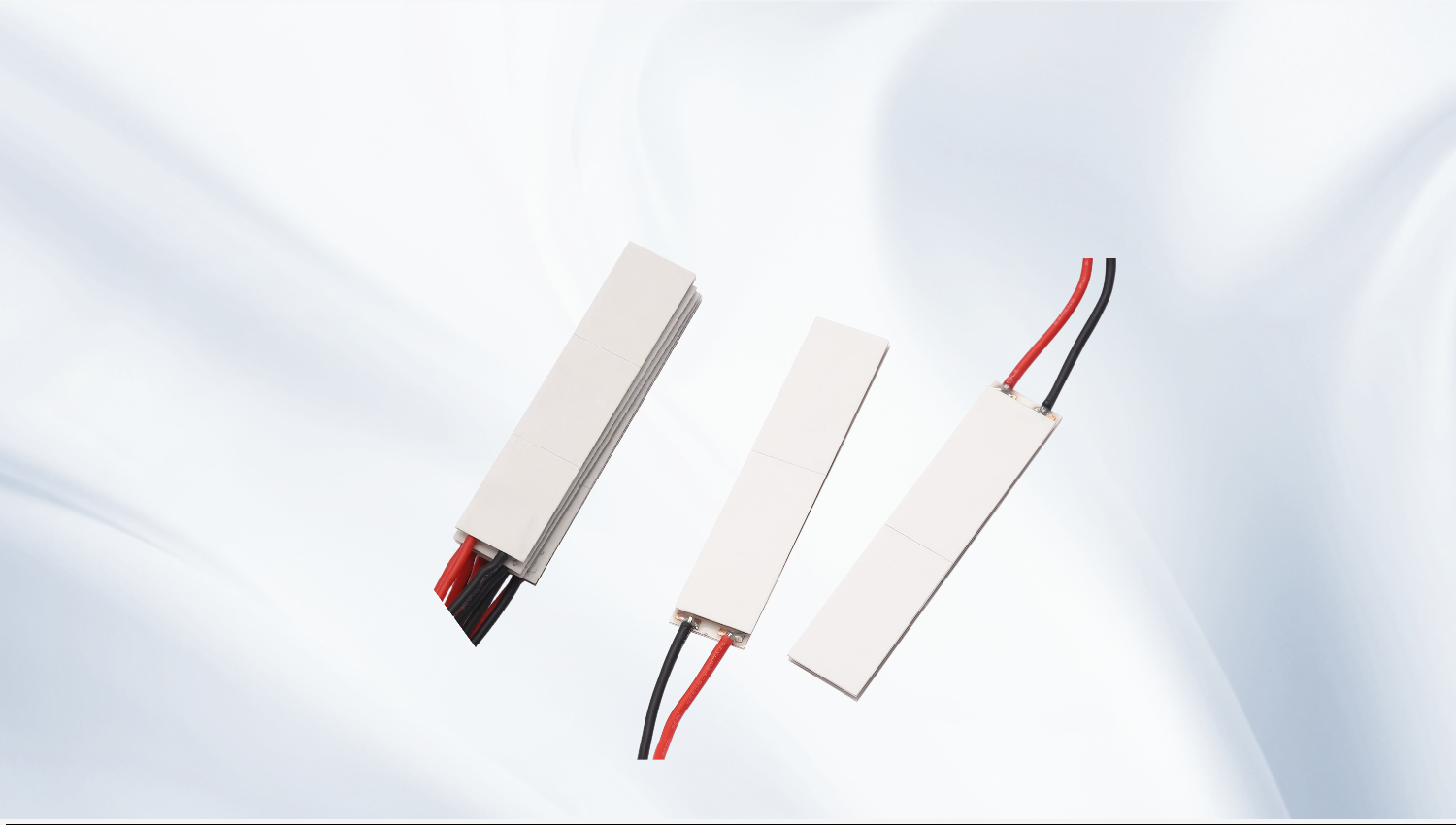
Durable TEC products are advanced thermoelectric modules designed to provide stable thermal control over extended periods. Unlike traditional cooling methods, these devices use the Peltier effect to transfer heat without moving parts, reducing wear and tear. Key components include bismuth telluride semiconductors and robust ceramic substrates, which enhance resistance to thermal cycling and mechanical stress. For instance, in high-performance computing, durable TECs maintain optimal temperatures for CPUs, preventing overheating and extending hardware life. By focusing on material quality and design precision, manufacturers ensure these products deliver consistent performance even in demanding environments.
Benefits of Choosing Durable TEC Solutions
Investing in durable TEC products offers numerous advantages, starting with enhanced reliability. Their solid-state construction minimizes failure risks, leading to lower maintenance costs and reduced downtime. Energy efficiency is another major perk; these devices often consume less power than compressor-based systems, making them eco-friendly and cost-effective in the long run. In automotive applications, such as electric vehicle battery cooling, durable TECs provide precise temperature regulation, improving safety and battery lifespan. Additionally, their compact size allows for flexible integration into space-constrained designs. By prioritizing durability, users can achieve sustainable thermal management that adapts to evolving technological needs.
Applications Across Industries
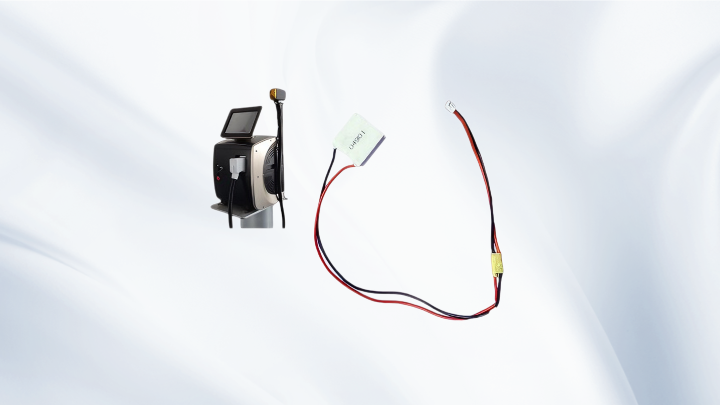
Durable TEC products find use in a wide range of sectors, each benefiting from their robust performance. In the medical field, they are crucial for portable diagnostic equipment, where consistent cooling ensures accurate readings and device longevity. For consumer electronics, like gaming consoles, these modules prevent heat buildup, enhancing user experience and product durability. Industrial settings, such as laser systems, rely on durable TECs to maintain stable operating temperatures, preventing damage from thermal fluctuations. Case studies show that companies implementing these solutions report fewer replacements and higher satisfaction rates. By tailoring designs to specific applications, manufacturers can address unique challenges, such as extreme temperatures or vibration exposure.
Best Practices for Maximizing Durability
To get the most out of durable TEC products, follow practical guidelines during installation and operation. First, ensure proper thermal interface materials, like thermal grease or pads, to optimize heat transfer and reduce stress on the module. Avoid exceeding the maximum temperature differentials specified by manufacturers, as this can lead to premature failure. Regular maintenance, such as cleaning dust from heat sinks, helps maintain efficiency. In real-world scenarios, integrating temperature sensors and control systems can automate adjustments, prolonging product life. For example, in renewable energy systems, using durable TECs with smart controls has shown to reduce energy consumption by up to 20%. Emphasizing preventive measures and quality components is key to achieving long-term reliability.
Common Questions
What makes a TEC product durable compared to standard ones?
Durable TEC products are built with high-grade materials, such as reinforced ceramics and optimized semiconductors, that resist thermal fatigue and mechanical shocks. They undergo rigorous testing for cycles and environmental conditions, ensuring they last longer under stress.
How can I extend the lifespan of my durable TEC module?
To extend lifespan, maintain proper cooling with adequate heat sinks, avoid rapid temperature changes, and use compatible power supplies. Regular inspections for signs of wear, like cracks or discoloration, can help catch issues early.
Are durable TEC products suitable for outdoor use?
Yes, many durable TEC products are designed with weather-resistant coatings and seals to handle outdoor conditions, such as moisture and temperature extremes. Always check the product specifications for IP ratings and environmental limits.
Related Posts