




Unlocking Efficiency and Reliability: The Power of Durable TEC Devices in Modern Applications
Understanding Durable TEC Devices
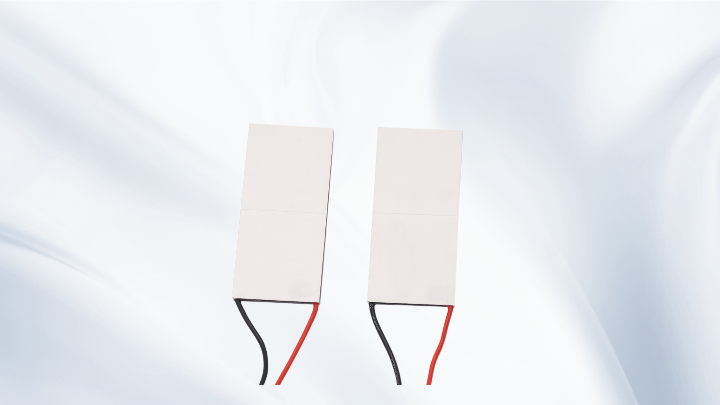
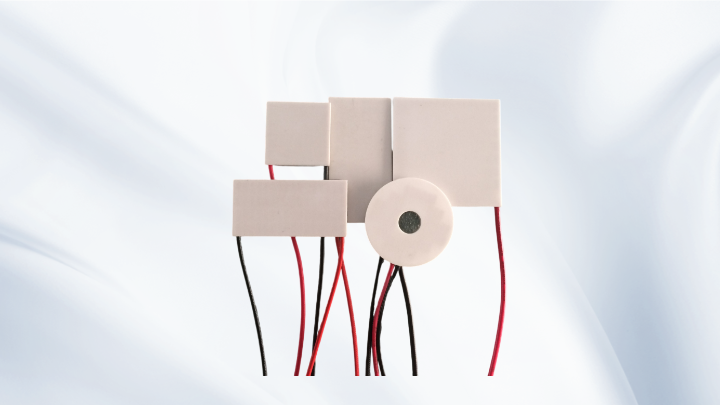
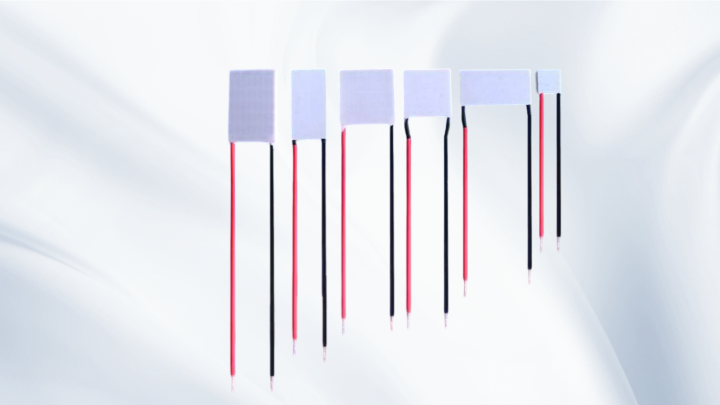
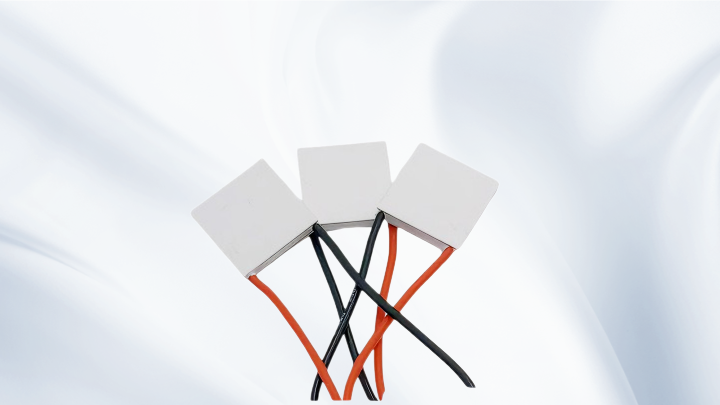
Durable TEC devices, also known as thermoelectric coolers, are solid-state heat pumps that use the Peltier effect to transfer heat. Unlike traditional cooling methods, they have no moving parts, which enhances their reliability and durability. These devices are designed to withstand harsh conditions, such as extreme temperatures, vibrations, and moisture, making them ideal for applications where failure is not an option. For instance, in aerospace or automotive systems, a durable TEC device can maintain stable temperatures for critical components over long periods without degradation.
Key Features and Benefits
The primary advantage of durable TEC devices is their long lifespan and low maintenance. Since they lack compressors or refrigerants, they are less prone to wear and tear, reducing downtime and repair costs. Additionally, they offer precise temperature control, with some models capable of maintaining temperatures within ±0.1°C. This precision is crucial in fields like medical diagnostics, where equipment must operate consistently. Energy efficiency is another benefit; modern durable TEC devices can achieve high coefficients of performance (COP), helping to lower operational expenses in industrial settings.
Applications Across Industries
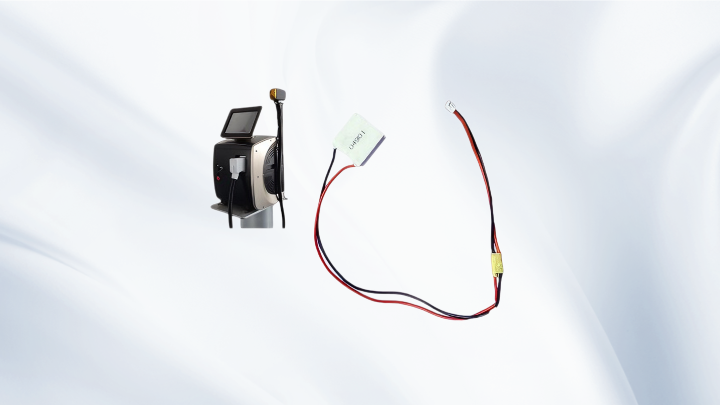
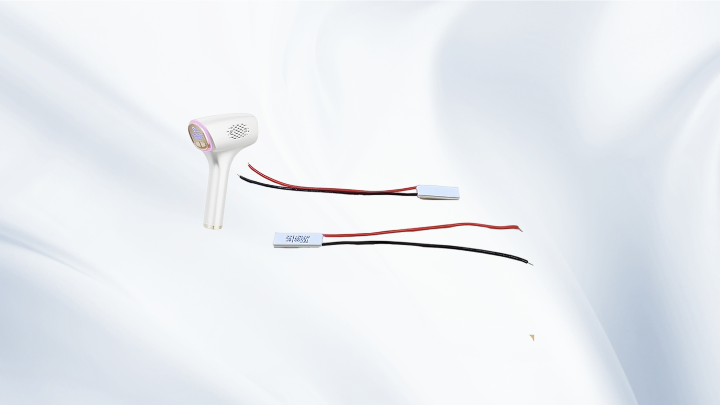
Durable TEC devices are widely used in various sectors. In the electronics industry, they cool high-power components in servers and telecommunications equipment, preventing overheating and extending device life. In healthcare, they are integral to portable medical devices, such as blood analyzers, ensuring accurate results in remote locations. Environmental monitoring systems also rely on them to maintain stable temperatures for sensors in outdoor or underwater installations. For example, a durable TEC device in a weather station can operate reliably for years without needing replacement, even in fluctuating climates.
Practical Tips for Selection and Use
When choosing a durable TEC device, consider factors like thermal load requirements and environmental conditions. Calculate the heat dissipation needed for your application to select a model with adequate cooling capacity. Ensure proper heat sinking and insulation to maximize efficiency; poor installation can lead to reduced performance. Regular maintenance, such as cleaning dust from heat exchangers, can further enhance durability. In my experience, using thermal interface materials (TIMs) improves heat transfer and prevents hotspots, which is a common issue in high-stress setups.
Common Questions
How long do durable TEC devices typically last?
With proper use, they can last over 10 years, depending on the operating conditions and maintenance. Factors like excessive heat or voltage spikes may shorten lifespan, so follow manufacturer guidelines.
Are durable TEC devices energy-efficient compared to traditional coolers?
Yes, they often consume less energy in low to moderate cooling applications, but efficiency varies by model. For high-capacity needs, hybrid systems combining TEC with other technologies might be more efficient.
Can durable TEC devices be used in outdoor or wet environments?
Many are designed with waterproof and corrosion-resistant materials, making them suitable for such conditions. Always check the IP rating and specifications to ensure compatibility.
Related Posts