




Unlocking Efficiency and Longevity: The Power of Durable Semiconductor Refrigeration Coolers
Understanding Semiconductor Refrigeration Technology
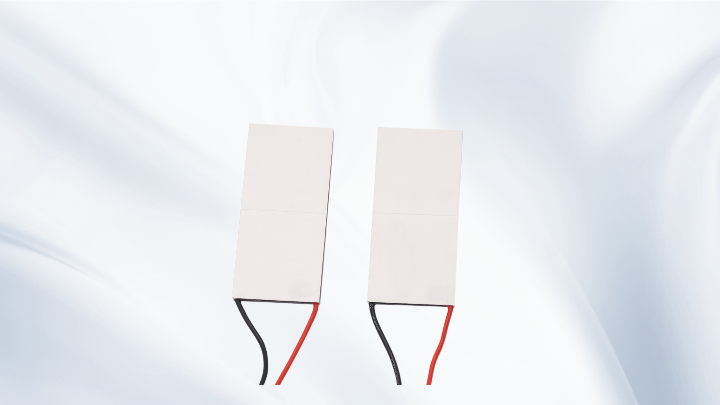
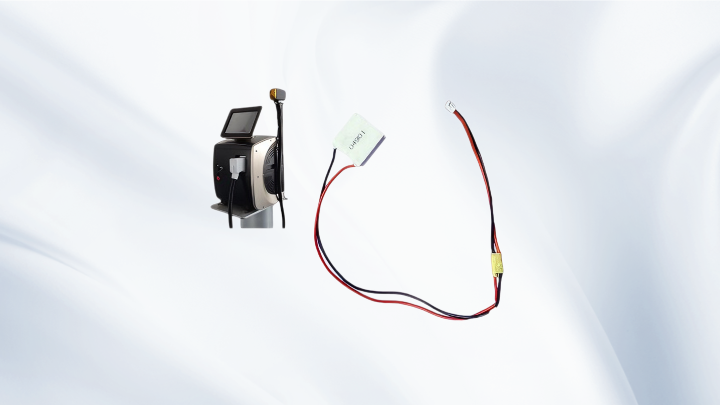
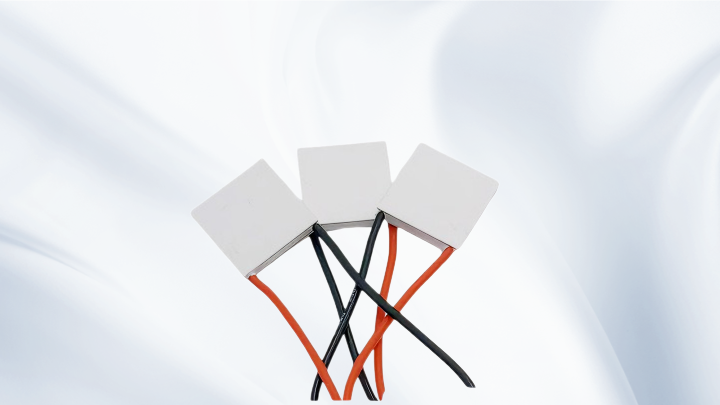
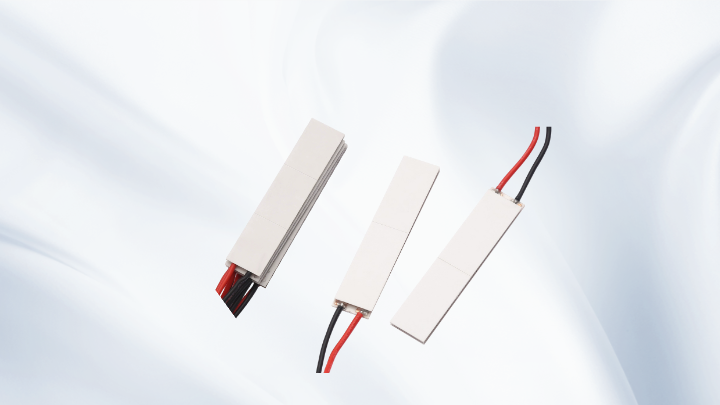
Semiconductor refrigeration coolers, also known as thermoelectric coolers, operate on the Peltier effect, where an electric current creates a temperature difference across two dissimilar materials. Unlike traditional compressor-based systems, these devices have no moving parts, making them inherently more durable and less prone to mechanical failure. This solid-state design contributes significantly to their longevity, as there are fewer components that can wear out over time. For instance, in applications like medical equipment or laboratory instruments, where consistent cooling is critical, the reliability of semiconductor coolers ensures uninterrupted operation without the need for frequent maintenance.
Key Features of Durable Semiconductor Coolers
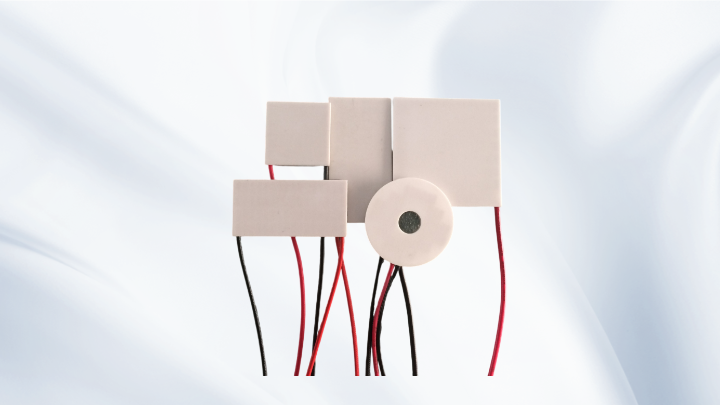
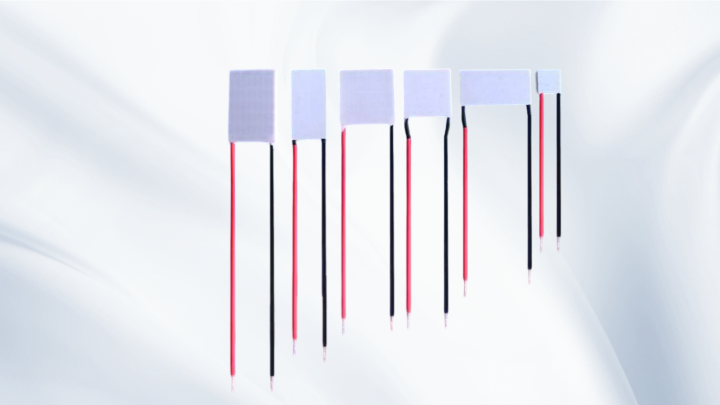
The durability of these coolers stems from several key features. First, they are constructed from robust materials such as ceramic substrates and high-grade semiconductors, which resist corrosion and thermal stress. This allows them to withstand harsh environments, including high humidity or temperature fluctuations, without degrading performance. Additionally, their compact size and lightweight nature make them ideal for portable devices, such as camping coolers or electronic enclosures, where space and weight are constraints. In my experience working with cooling systems, I've found that semiconductor coolers often outlast traditional alternatives in scenarios involving frequent transport or exposure to dust, thanks to their sealed and solid construction.
Benefits for Various Applications
Durable semiconductor refrigeration coolers offer numerous benefits across different sectors. In the automotive industry, they are used in seat coolers and beverage chillers, providing efficient cooling without the bulk of compressor units. For consumer electronics, such as gaming PCs or mini-fridges, they deliver quiet operation and precise temperature control, enhancing user comfort. From a professional standpoint, I recommend these coolers for applications requiring low noise levels, as their silent performance is a major advantage in office or residential settings. Moreover, their energy efficiency can lead to cost savings over time, especially in devices that run continuously, like data center cooling systems.
Practical Tips for Maximizing Durability
To ensure the longevity of semiconductor refrigeration coolers, proper usage and maintenance are essential. Always operate them within the specified voltage and temperature ranges to prevent overheating, which can shorten their lifespan. For example, in a DIY cooling project, using a heat sink and fan in conjunction with the cooler can improve heat dissipation and prevent thermal damage. I advise checking the manufacturer's guidelines for installation and avoiding exposure to moisture unless the unit is specifically rated for it. In real-world scenarios, such as in outdoor events where portable coolers are used, keeping them clean and free from debris will help maintain optimal performance and durability.
Common Questions
What makes semiconductor refrigeration coolers more durable than traditional coolers?Semiconductor coolers are more durable because they have no moving parts, reducing wear and tear. Their solid-state design minimizes mechanical failures, and they are built with materials that resist environmental factors like corrosion and thermal shock.
How long do durable semiconductor refrigeration coolers typically last?With proper care, these coolers can last for many years, often exceeding 50,000 hours of operation. Their lifespan depends on factors such as operating conditions, maintenance, and adherence to manufacturer specifications.
Are semiconductor coolers suitable for high-power applications?While they are excellent for low to medium power cooling, semiconductor coolers may not be ideal for very high-power needs due to efficiency limitations. For applications like industrial refrigeration, it's best to consult with experts or use them in combination with other cooling methods.
Related Posts