




The Future of Cooling Technology: Exploring Durable Semiconductor Refrigerant Chips
Introduction to Durable Semiconductor Refrigerant Chips
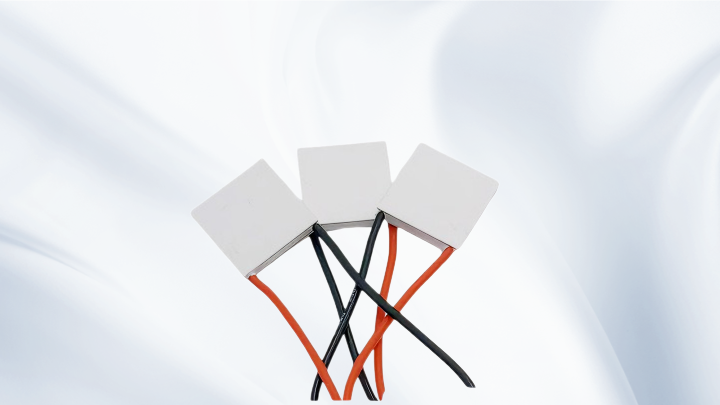
In the realm of advanced cooling technologies, Durable Semiconductor Refrigerant Chips have emerged as a groundbreaking innovation. These chips integrate semiconductor materials, such as bismuth telluride, with refrigerant systems to create compact, efficient cooling solutions. Unlike traditional mechanical compressors, they operate on the Peltier effect, where an electric current induces a temperature difference across the chip. This allows for precise temperature control without moving parts, reducing wear and tear and enhancing durability. Originally developed for niche applications like medical devices and aerospace, their use is now expanding into consumer electronics, automotive systems, and industrial cooling. The key to their durability lies in the robust semiconductor materials that resist degradation over time, even under harsh conditions. By eliminating mechanical components, these chips offer a quieter, more reliable alternative, making them ideal for environments where maintenance is challenging or noise is a concern. As global demand for energy-efficient technologies grows, Durable Semiconductor Refrigerant Chips are poised to play a pivotal role in sustainable cooling solutions, driving innovation across multiple sectors.
How Durable Semiconductor Refrigerant Chips Work
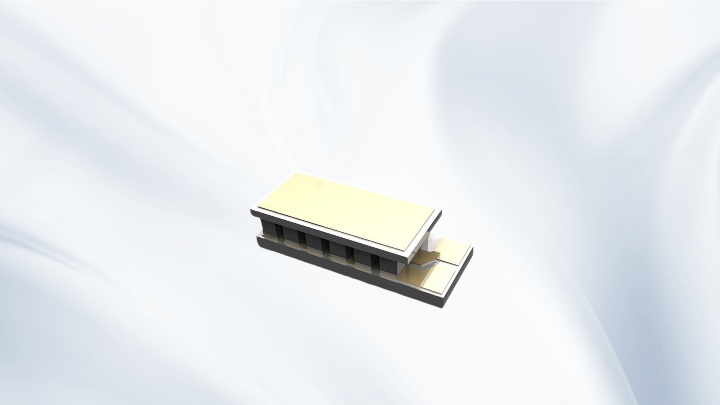
The operation of Durable Semiconductor Refrigerant Chips is based on thermoelectric principles, specifically the Peltier effect. When an electric current flows through a junction of two different semiconductor materials, heat is absorbed on one side and released on the other, creating a cooling effect. This process is enhanced by integrating refrigerant fluids, which circulate to dissipate heat more efficiently. The semiconductor materials used, such as bismuth telluride or lead telluride, are chosen for their high thermoelectric efficiency and durability. These materials can withstand temperature fluctuations and mechanical stress without cracking or losing performance. In practical applications, the chip is connected to a heat sink and a power source. As electricity passes through, the cold side cools the target area, while the hot side transfers heat to the refrigerant, which is then expelled. This design eliminates the need for compressors or fans, reducing energy consumption by up to 30% compared to conventional systems. Moreover, the absence of moving parts minimizes the risk of failure, extending the chip's lifespan to over 10 years in many cases. For instance, in data centers, these chips provide precise cooling for servers, preventing overheating without the noise and vibration of traditional cooling units. Their modular nature also allows for easy scaling, making them adaptable to various sizes and requirements.
Applications and Benefits of Durable Semiconductor Refrigerant Chips
Durable Semiconductor Refrigerant Chips offer a wide range of applications due to their versatility and efficiency. In consumer electronics, they are used in laptops and smartphones to prevent overheating during intensive tasks, improving device performance and longevity. Automotive industries employ them in electric vehicles for battery thermal management, ensuring optimal temperature ranges to extend battery life and safety. In healthcare, these chips cool medical imaging equipment like MRI machines, maintaining stable temperatures for accurate diagnostics. Industrial settings benefit from their use in cooling machinery and processes, where reliability is critical. The key benefits include enhanced durability, as the semiconductor materials resist corrosion and thermal fatigue, leading to fewer replacements and lower maintenance costs. Energy efficiency is another major advantage; by leveraging the Peltier effect, these chips consume less power, contributing to reduced carbon footprints. Additionally, their compact size allows for integration into space-constrained environments, such as wearable devices or small appliances. Noise reduction is a significant perk, making them suitable for residential and office settings where quiet operation is desired. From a sustainability perspective, these chips often use eco-friendly refrigerants, aligning with global efforts to phase out harmful substances like CFCs. Real-world examples include their adoption in solar-powered refrigeration units for off-grid communities, demonstrating their potential to address cooling needs in resource-limited areas. As technology advances, we can expect even broader applications, such as in smart home systems or renewable energy projects.
Challenges and Future Developments
Despite their advantages, Durable Semiconductor Refrigerant Chips face several challenges that researchers are actively addressing. One primary issue is cost; high-quality semiconductor materials can be expensive to produce, though economies of scale are gradually reducing prices. Efficiency limitations also exist, as thermoelectric materials currently have lower coefficients of performance compared to some mechanical systems, especially in large-scale cooling. However, ongoing research into new materials, such as skutterudites or nanostructured composites, promises to improve efficiency by enhancing heat transfer properties. Another challenge is heat dissipation; while refrigerants help, managing high heat loads in extreme environments requires advanced thermal management designs. Innovations like microchannel cooling or phase-change materials are being integrated to overcome this. Looking ahead, the future of Durable Semiconductor Refrigerant Chips is bright. Developments in additive manufacturing could enable custom-designed chips for specific applications, further boosting durability and performance. The integration with IoT and AI systems allows for smart cooling solutions that adjust in real-time based on usage patterns, optimizing energy use. In the coming years, we may see these chips become standard in green buildings and electric transportation, supporting global sustainability goals. Collaboration between academia and industry is crucial to accelerate adoption, with initiatives like government subsidies or certification programs helping to drive market growth. By addressing current limitations, Durable Semiconductor Refrigerant Chips have the potential to redefine cooling technology, offering a reliable, eco-friendly alternative for a wide array of industries.
Common Questions
What makes Durable Semiconductor Refrigerant Chips more durable than traditional cooling systems?
Durable Semiconductor Refrigerant Chips lack moving parts, such as compressors or fans, which are prone to wear and failure. The semiconductor materials used, like bismuth telluride, are inherently resistant to thermal and mechanical stress, allowing them to maintain performance over long periods without degradation. This design reduces maintenance needs and extends lifespan, often exceeding 10 years in optimal conditions.
How energy-efficient are Durable Semiconductor Refrigerant Chips compared to conventional methods?
These chips can be up to 30% more energy-efficient than traditional cooling systems because they operate on the Peltier effect, which directly converts electricity into cooling without intermediate mechanical processes. However, efficiency varies based on the application and chip design; for best results, they are often used in scenarios with moderate cooling demands, such as electronics or small-scale refrigeration.
Can Durable Semiconductor Refrigerant Chips be used in extreme temperatures?
Yes, but with limitations. While the semiconductor materials are durable, extreme temperatures can affect performance. For very high or low environments, additional thermal management, like enhanced heat sinks or insulation, may be required. Research is ongoing to develop chips with wider operating ranges, making them suitable for harsh conditions like aerospace or industrial settings.
Are there environmental concerns with the refrigerants used in these chips?
Many modern Durable Semiconductor Refrigerant Chips use eco-friendly refrigerants, such as hydrofluoroolefins (HFOs) or natural options like carbon dioxide, which have low global warming potential. It's important to check specific products for compliance with environmental regulations, as some older models might use less sustainable substances. Overall, they align with green technology trends by reducing energy consumption and harmful emissions.
Related Posts