




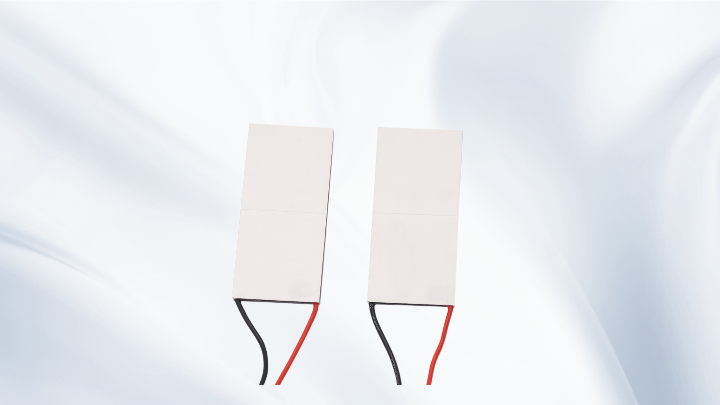
The Ultimate Guide to Durable Semiconductor Radiating Fins: Enhancing Heat Dissipation for Long-Term Reliability
Understanding Durable Semiconductor Radiating Fins
Durable semiconductor radiating fins are essential components in electronic systems, designed to transfer heat away from semiconductors like CPUs, GPUs, and power devices. By increasing surface area, they facilitate convection and radiation, preventing overheating that can lead to reduced efficiency or permanent damage. Their durability is key, as they must withstand thermal cycling, mechanical stress, and environmental factors over extended periods. In industries from consumer electronics to automotive and aerospace, these fins ensure reliable operation, making them a cornerstone of modern thermal management solutions.
Materials and Construction for Longevity
The choice of materials significantly impacts the durability of radiating fins. Common options include aluminum, copper, and advanced alloys. Aluminum is lightweight and cost-effective, ideal for general applications, while copper offers superior thermal conductivity but may be heavier. For enhanced durability, materials like anodized aluminum or nickel-plated copper are used to resist corrosion and oxidation. Construction methods, such as extrusion or stamping, also affect performance; precision manufacturing ensures tight tolerances and optimal fin density. In harsh environments, coatings or treatments can further extend lifespan, making these fins suitable for demanding scenarios like industrial machinery or outdoor installations.
Design Principles and Optimization
Effective design is crucial for maximizing heat dissipation while maintaining durability. Key factors include fin geometry, spacing, and base thickness. Fins with larger surface areas and optimized airflow paths enhance cooling efficiency. Computational fluid dynamics (CFD) simulations are often employed to model thermal behavior and refine designs before production. Additionally, integrating features like heat pipes or vapor chambers can boost performance in high-power applications. Durability considerations involve avoiding sharp edges that could cause stress concentrations and ensuring robust attachment methods, such as soldering or clamping, to prevent detachment under vibration or thermal expansion.
Applications and Real-World Benefits
Durable semiconductor radiating fins are ubiquitous across various sectors. In consumer electronics, they cool smartphones and laptops, prolonging battery life and preventing throttling. In automotive systems, they manage heat in electric vehicle inverters and LED headlights, enhancing safety and reliability. Industrial applications include power supplies and motor drives, where consistent performance under load is essential. By investing in durable fins, companies reduce maintenance costs and downtime, while end-users enjoy longer-lasting devices. Case studies show that proper thermal management can extend semiconductor lifespan by up to 30%, highlighting the tangible benefits of these components.
Maintenance and Best Practices
To ensure long-term durability, regular maintenance is recommended. This includes cleaning fins to remove dust and debris that can insulate heat, checking for corrosion or physical damage, and verifying thermal paste or pads for proper contact. Using quality thermal interface materials improves heat transfer between the semiconductor and fin. In installation, follow manufacturer guidelines for torque and alignment to avoid stress. For DIY enthusiasts, selecting fins with warranties or certifications can provide peace of mind. By adhering to these practices, users can maximize the effectiveness and lifespan of their radiating fins, safeguarding their electronic investments.
Common Questions
What makes a semiconductor radiating fin durable?
Durability depends on material selection, such as corrosion-resistant alloys, and robust construction methods that withstand thermal and mechanical stresses over time.
How do I choose the right radiating fin for my application?
Consider factors like thermal load, space constraints, and environmental conditions; consult datasheets and, if possible, perform thermal testing to match fin specifications to your needs.
Can durable radiating fins be used in outdoor settings?
Yes, with proper coatings or materials like stainless steel, they can resist moisture and UV exposure, making them suitable for outdoor electronics like solar inverters.
Do radiating fins require frequent replacement?
Not typically; with good maintenance and quality materials, they can last the lifetime of the device, but inspect periodically for signs of wear or reduced cooling efficiency.
Related Posts