




Unlocking Superior Cooling Performance: The Power of Durable High Thermal Conductivity Ceramic Cooling Sheets
Understanding Ceramic Cooling Sheets
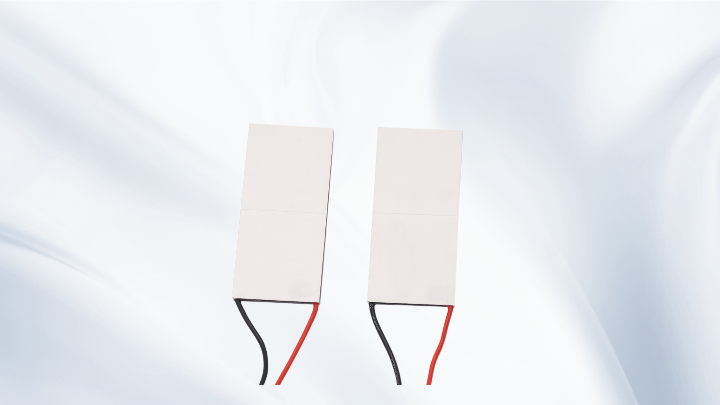
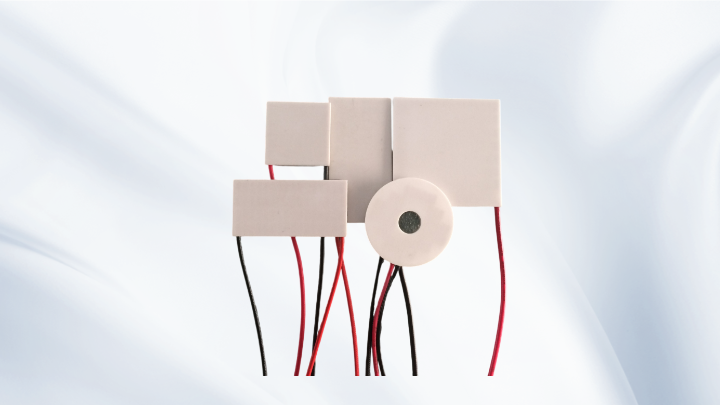
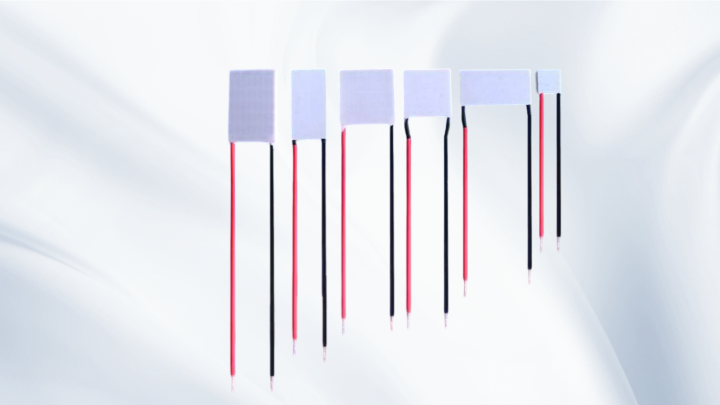
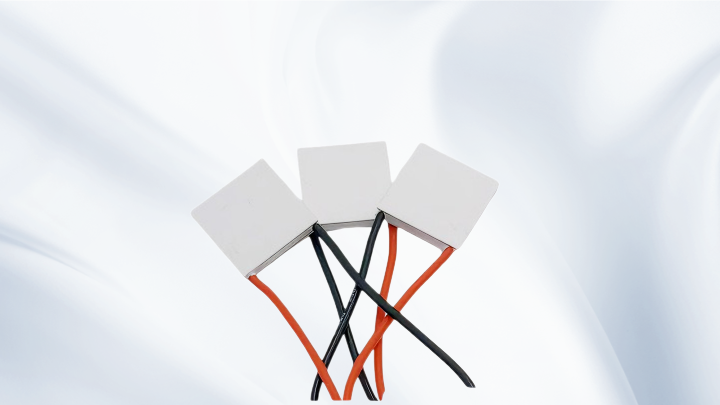
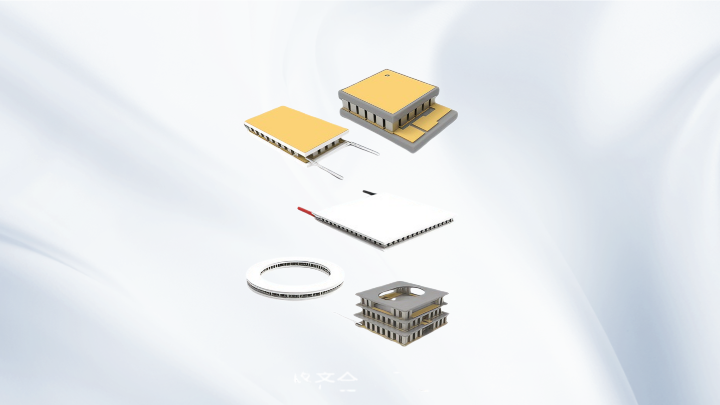
Ceramic cooling sheets are advanced materials designed to transfer heat away from electronic components, ensuring stable operation and preventing overheating. Unlike traditional metal-based solutions, these sheets leverage ceramic compounds, such as aluminum oxide or silicon carbide, which provide high thermal conductivity—often exceeding 100 W/mK. This property allows for rapid heat dissipation, making them ideal for high-power applications like CPUs, LEDs, and power electronics. Additionally, their durability stems from resistance to corrosion, wear, and thermal shock, ensuring long-term reliability even in harsh environments.
Key Advantages of Durable High Thermal Conductivity Ceramic Sheets
The primary benefit of these sheets lies in their exceptional heat transfer efficiency. By quickly moving heat from hotspots to cooler areas, they reduce thermal stress on components, which can extend device lifespan by up to 30% in some cases. Their durability is another standout feature; ceramic materials are inherently stable and do not degrade easily, unlike polymers or certain metals that may warp or oxidize over time. This makes them suitable for demanding industries, such as aerospace and automotive, where reliability is paramount. Moreover, these sheets are often lightweight and electrically insulating, adding safety and versatility to their profile.
Applications in Modern Technology
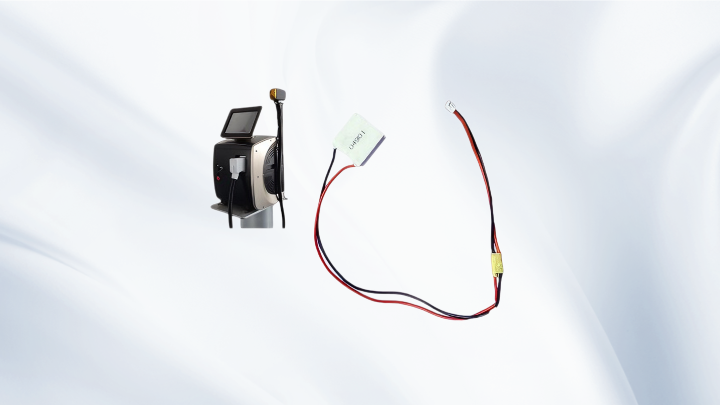
Durable high thermal conductivity ceramic cooling sheets find widespread use across various sectors. In consumer electronics, they are integrated into smartphones and laptops to manage heat from processors, enhancing performance without adding bulk. In industrial settings, they cool high-power machinery and renewable energy systems, such as solar inverters, where efficient heat management boosts energy conversion rates. The automotive industry relies on them for electric vehicle batteries and power modules, where thermal runaway prevention is crucial for safety. By providing consistent cooling, these sheets help maintain optimal temperatures, reducing the risk of failures and improving overall system efficiency.
Best Practices for Implementation
To maximize the benefits of ceramic cooling sheets, proper installation and maintenance are essential. Start by ensuring a clean, flat surface on the component to achieve optimal thermal contact. Use thermal interface materials, like thermal paste or pads, to fill any microscopic gaps and enhance heat transfer. Regularly inspect sheets for signs of damage, such as cracks or discoloration, which can indicate wear. In high-vibration environments, secure them with appropriate adhesives or mechanical fasteners to prevent displacement. For custom applications, consider consulting with manufacturers to tailor sheet thickness and composition to specific thermal loads, as this can significantly impact performance and durability.
Common Questions
How do ceramic cooling sheets compare to metal alternatives?
Ceramic sheets often outperform metals in terms of durability and electrical insulation, while offering comparable or superior thermal conductivity. Metals like copper may conduct heat slightly better but are prone to corrosion and heavier, making ceramics a more balanced choice for many applications.
What factors affect the durability of these sheets?
Durability depends on material composition, manufacturing quality, and environmental conditions. High-purity ceramics with fine grain structures tend to be more resistant to thermal and mechanical stress, while exposure to extreme temperatures or chemicals can reduce lifespan if not properly selected.
Can these sheets be used in outdoor or humid environments?
Yes, many ceramic cooling sheets are designed to withstand harsh conditions, including moisture and UV exposure, due to their inert nature. However, it's important to choose sheets with appropriate coatings or seals if prolonged outdoor use is anticipated, to prevent any potential degradation.
Related Posts