




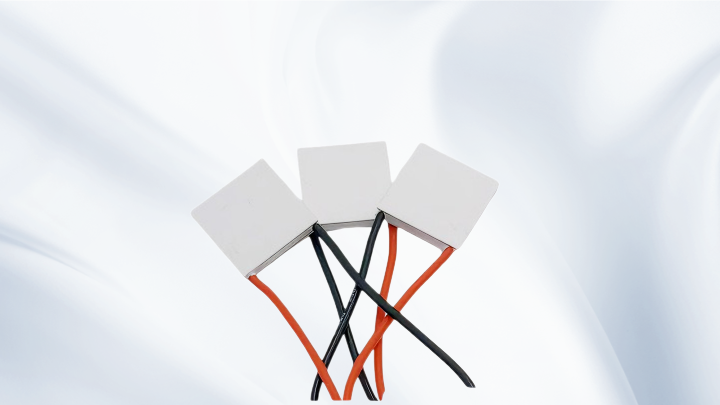
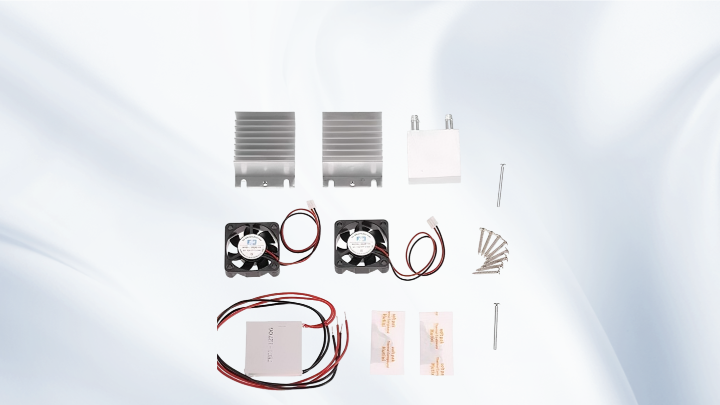
User-Friendly Semiconductor Radiation Fin: Enhancing Safety and Performance in Modern Electronics
Introduction to User-Friendly Semiconductor Radiation Fins
The user-friendly semiconductor radiation fin is a specialized component integrated into semiconductor devices to manage heat and radiation effectively. Unlike traditional cooling solutions, it is designed with ease of use, safety, and efficiency in mind, making it accessible for a wide range of applications from consumer electronics to industrial systems. By optimizing thermal conductivity and minimizing radiation risks, this fin ensures that devices operate reliably under various conditions, reducing the likelihood of overheating and performance degradation.
Key Features and Design Principles
At its core, the user-friendly semiconductor radiation fin incorporates several innovative features. It typically uses advanced materials such as copper or aluminum alloys with high thermal conductivity, coupled with surface treatments that enhance heat dissipation. The design often includes finned structures that increase surface area, allowing for better airflow and cooling. Additionally, safety measures are integrated to shield against electromagnetic radiation, protecting both the device and users from potential harm. This combination of functionality and user-centric design makes it a standout in modern semiconductor engineering.
Applications in Various Industries
The versatility of the user-friendly semiconductor radiation fin allows it to be employed across multiple sectors. In consumer electronics, such as smartphones and laptops, it helps maintain optimal temperatures during intensive use, extending device lifespan and improving user experience. In the automotive industry, it is used in electric vehicles and advanced driver-assistance systems to manage heat from power electronics, ensuring safety and reliability. Furthermore, in medical devices and aerospace applications, these fins play a crucial role in maintaining precise temperature control and radiation shielding, which are vital for sensitive operations.
Benefits for End-Users and Professionals
For end-users, the primary benefit of the user-friendly semiconductor radiation fin is enhanced device performance and longevity. By preventing overheating, it reduces the risk of hardware failures and slowdowns, leading to a smoother and more reliable experience. Professionals, such as engineers and technicians, appreciate its ease of integration and maintenance, as it often comes with standardized mounting options and clear installation guidelines. Moreover, its radiation management capabilities contribute to safer working environments, particularly in industries where exposure to electromagnetic fields is a concern.
Implementation and Best Practices
To maximize the effectiveness of user-friendly semiconductor radiation fins, it is essential to follow best practices during implementation. This includes proper sizing based on the device's thermal load, ensuring adequate airflow around the fin, and using compatible thermal interface materials. Regular maintenance, such as cleaning dust buildup, can also prevent performance issues. For those designing new systems, consulting with semiconductor experts and adhering to industry standards, like those from organizations such as IEEE, can help optimize integration and achieve the desired safety and efficiency outcomes.
Common Questions
What is the main purpose of a user-friendly semiconductor radiation fin?
The main purpose is to efficiently dissipate heat and manage radiation in semiconductor devices, enhancing safety, performance, and reliability for users across various applications.
How does it differ from traditional cooling solutions?
It differs by incorporating user-centric design elements, such as easier installation, better safety features for radiation shielding, and optimized materials that improve thermal management without compromising accessibility.
Can it be used in high-radiation environments?
Yes, many models are specifically engineered for high-radiation environments, with additional shielding and robust materials to withstand harsh conditions while maintaining functionality.
What are the common maintenance requirements?
Common maintenance includes periodic cleaning to remove dust and debris, checking for physical damage, and ensuring proper airflow to prevent overheating and maintain optimal performance.
Related Posts