




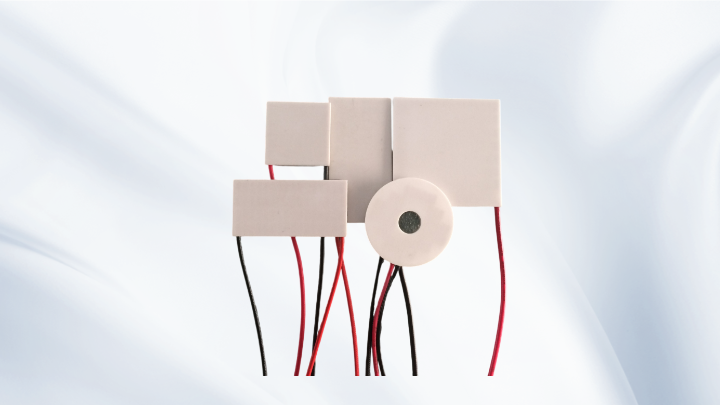
The Rise of User-Friendly Semiconductor Radiating Fins: Enhancing Performance and Accessibility in Modern Electronics
Introduction to User-Friendly Semiconductor Radiating Fins
Semiconductor radiating fins are critical components in electronic devices, designed to dissipate heat and prevent overheating, which can lead to performance degradation or failure. Traditionally, these fins have been engineered with a focus on technical efficiency, often overlooking user interaction. However, the shift towards user-friendly semiconductor radiating fins marks a significant advancement, integrating features that enhance ease of use, installation, and maintenance. By prioritizing accessibility, these fins not only boost thermal performance but also cater to a broader audience, from tech enthusiasts to everyday consumers.
Key Features of User-Friendly Radiating Fins
User-friendly semiconductor radiating fins incorporate several design elements that set them apart. First, they often feature modular or snap-on designs, allowing for quick and tool-free installation. This reduces the risk of damage during setup and makes upgrades simpler. Second, materials like lightweight aluminum or advanced composites are used to minimize weight without compromising durability, making devices more portable. Third, these fins may include intuitive indicators, such as color-coded sections or LED lights, to signal temperature levels or operational status, helping users monitor device health in real-time. Additionally, enhanced airflow optimization ensures efficient cooling even in compact spaces, reducing noise and energy consumption.
Benefits for Different User Groups
The adoption of user-friendly radiating fins brings tangible benefits across various sectors. For consumers, it means longer-lasting gadgets with fewer overheating issues, leading to cost savings and reduced e-waste. In industrial settings, these fins simplify maintenance routines, as technicians can easily inspect and replace components without specialized training. For developers and engineers, the modular nature allows for faster prototyping and customization, accelerating innovation. Moreover, by making thermal management more approachable, these fins encourage broader adoption of high-performance semiconductors in applications like gaming PCs, servers, and electric vehicles, where reliability is paramount.
Common Challenges and Solutions
Despite their advantages, implementing user-friendly semiconductor radiating fins can pose challenges. One common issue is balancing cost with performance; advanced materials and designs may increase production expenses. To address this, manufacturers are leveraging economies of scale and automated processes to keep prices competitive. Another challenge is ensuring compatibility with diverse device architectures. Solutions include standardized mounting systems and adaptive designs that fit multiple form factors. Additionally, user education is key—providing clear manuals and online tutorials can help users maximize the benefits of these fins. By tackling these hurdles, the industry can drive wider acceptance and innovation.
Future Trends and Innovations
Looking ahead, the future of user-friendly semiconductor radiating fins is bright, with trends pointing towards smarter and more integrated solutions. Advances in artificial intelligence and IoT connectivity are enabling fins that can self-adjust cooling based on real-time data, optimizing performance dynamically. Nanotechnology is also playing a role, with materials that offer superior heat dissipation in ultra-thin profiles. Furthermore, sustainability is becoming a priority, with recyclable materials and energy-efficient designs reducing environmental impact. As these innovations unfold, user-friendly radiating fins will likely become standard in next-generation electronics, making high-tech devices more reliable and accessible than ever before.
Frequently Asked Questions
What makes a semiconductor radiating fin "user-friendly"?
A user-friendly semiconductor radiating fin is designed with features that simplify installation, maintenance, and monitoring, such as modular components, intuitive indicators, and lightweight materials, making it accessible to non-experts.
How do user-friendly radiating fins improve device performance?
By enhancing thermal management, these fins prevent overheating, which can extend device lifespan, reduce energy consumption, and maintain optimal performance, especially in high-demand applications like gaming or data centers.
Are user-friendly radiating fins more expensive than traditional ones?
While initial costs may be higher due to advanced designs, they often lead to long-term savings through reduced maintenance and improved efficiency, and prices are decreasing as production scales up.
Can I upgrade my existing device with a user-friendly radiating fin?
Yes, many user-friendly fins are designed with compatibility in mind, featuring standardized mounts that fit a wide range of devices, but it's recommended to check specifications before purchasing.
What are the environmental benefits of using these fins?
They contribute to sustainability by using recyclable materials, reducing energy use through efficient cooling, and minimizing e-waste by prolonging device durability.
Related Posts