




Unlocking Efficiency: The Rise of User-Friendly High Thermal Conductivity Ceramic Cooling Sheets
Introduction to Ceramic Cooling Sheets
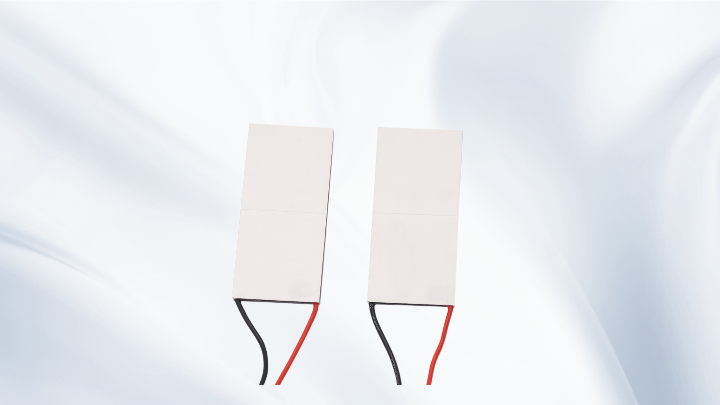
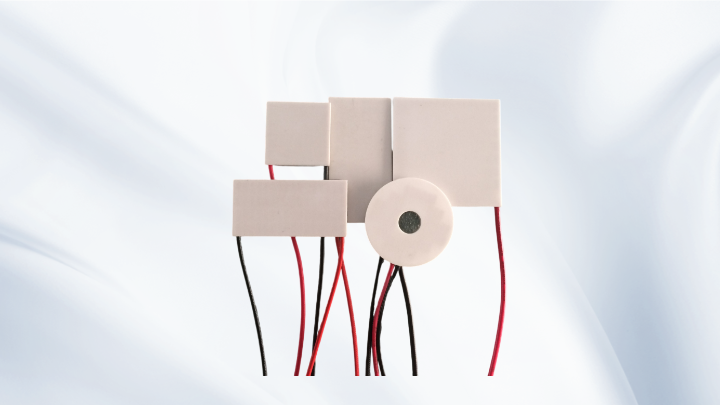
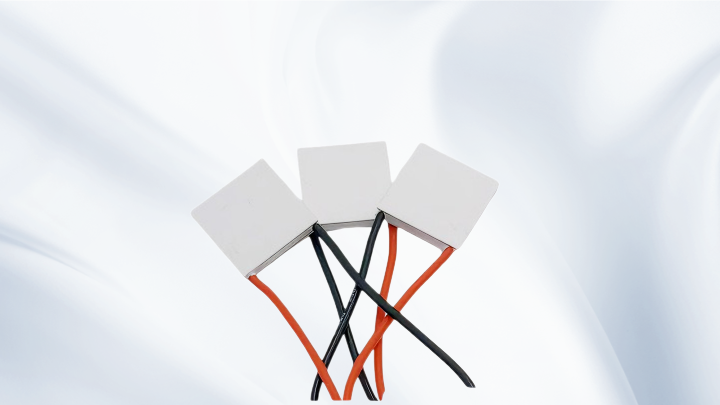
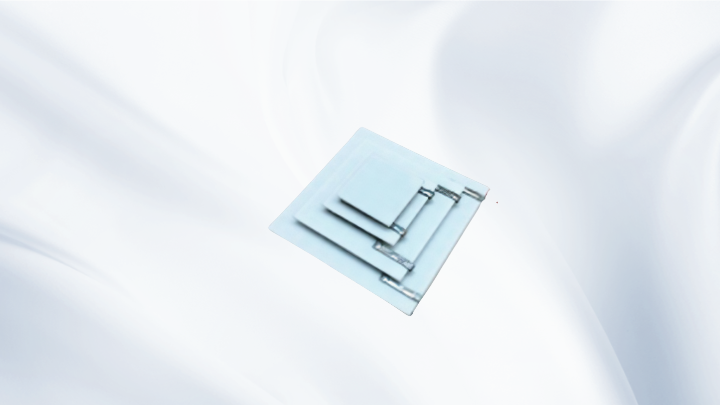
Ceramic cooling sheets are advanced thermal management materials designed to efficiently transfer heat away from electronic components. Unlike traditional solutions like metal heatsinks or thermal pastes, these sheets combine high thermal conductivity with a user-friendly design, making them ideal for both professionals and hobbyists. They are typically made from materials like aluminum nitride or boron nitride, which provide excellent heat dissipation while being electrically insulating and durable.
Key Benefits of User-Friendly Design
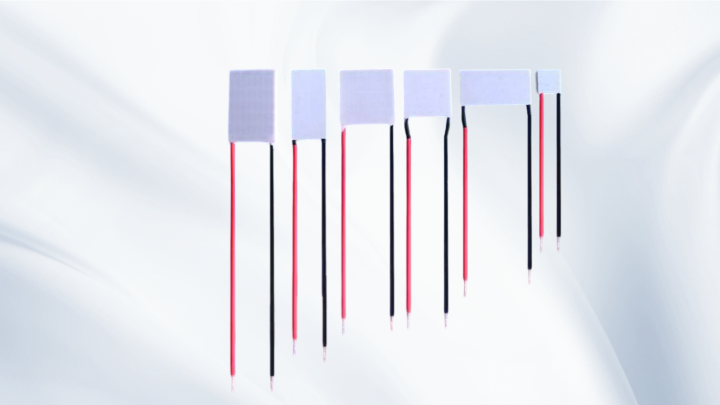
The user-friendly aspect of these ceramic sheets sets them apart. They often come in pre-cut sizes or flexible formats, allowing for easy installation without the need for complex tools or adhesives. This reduces the risk of damage to sensitive components and saves time during assembly. Additionally, their non-toxic and non-corrosive properties ensure safety and longevity in various environments, from consumer electronics to industrial machinery.
Applications in Modern Technology
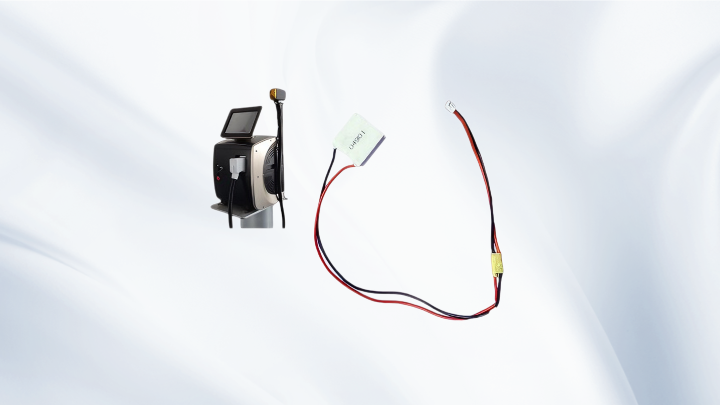
These cooling sheets are widely used in applications where heat management is critical. In smartphones and laptops, they help prevent overheating, improving battery life and processing speed. For LED lighting systems, they enhance efficiency by dissipating heat from high-power LEDs, extending their lifespan. In automotive electronics and renewable energy systems like solar inverters, they ensure reliable operation under harsh conditions. Their versatility makes them a go-to solution for engineers and designers seeking reliable thermal control.
How to Choose the Right Ceramic Cooling Sheet
Selecting the appropriate ceramic cooling sheet involves considering factors such as thermal conductivity ratings, thickness, and compatibility with your device. Higher conductivity values, often measured in W/mK, indicate better heat transfer. It's also important to check the sheet's flexibility and adhesion properties to ensure a snug fit. For DIY projects, look for sheets with peel-and-stick backings, while industrial applications may require custom-cut solutions. Always refer to manufacturer specifications to match the sheet to your thermal load requirements.
Installation Tips and Best Practices
To maximize performance, follow these best practices when installing ceramic cooling sheets. First, clean the surface of the component thoroughly to remove dust and oils, as this ensures optimal thermal contact. Apply the sheet evenly, avoiding air bubbles that can reduce efficiency. For high-stress environments, consider using additional thermal interface materials like pads or pastes in conjunction with the sheet. Regularly inspect the installation for signs of wear or detachment, especially in vibrating or high-temperature settings, to maintain long-term reliability.
Common Questions
What makes ceramic cooling sheets user-friendly compared to other thermal solutions?
Ceramic cooling sheets are user-friendly due to their easy-to-handle formats, such as pre-cut shapes or flexible rolls, which simplify installation without specialized tools. They often have adhesive backings for quick application, reducing the risk of mess or component damage common with liquid thermal pastes.
How do high thermal conductivity ceramic sheets improve device performance?
By efficiently transferring heat away from critical components, these sheets prevent overheating, which can lead to throttling, reduced efficiency, or failure. This results in enhanced performance, longer device lifespan, and improved energy efficiency in applications like electronics and lighting systems.
Are ceramic cooling sheets safe for use in consumer electronics?
Yes, ceramic cooling sheets are generally safe as they are made from non-toxic, electrically insulating materials. They do not conduct electricity, reducing the risk of short circuits, and their stable properties ensure they won't degrade or emit harmful substances over time, making them suitable for consumer devices.
Can I reuse or cut ceramic cooling sheets for custom applications?
While some sheets are designed for single use due to adhesive properties, many can be cut to size with scissors or knives for custom fits. However, it's important to handle them carefully to avoid cracking and to ensure the edges are smooth for optimal thermal contact. Always check the manufacturer's guidelines for reusability and cutting instructions.
Related Posts