




The Ultimate Guide to User-Friendly Semiconductor Cooling Plates: Enhancing Efficiency and Accessibility
Understanding Semiconductor Cooling Plates
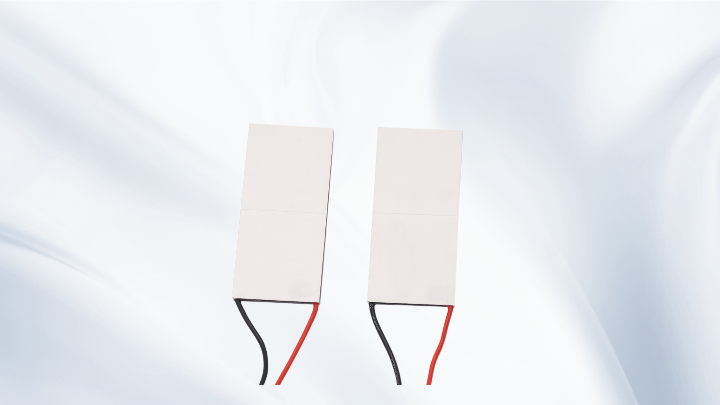
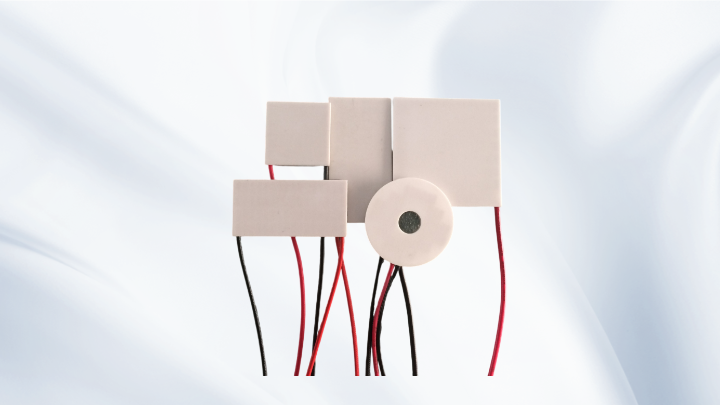
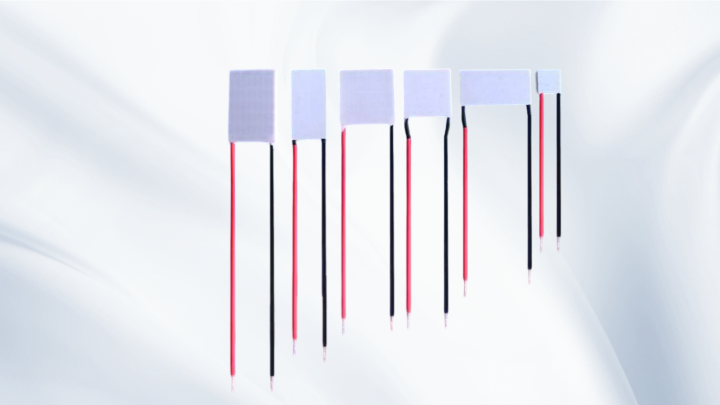
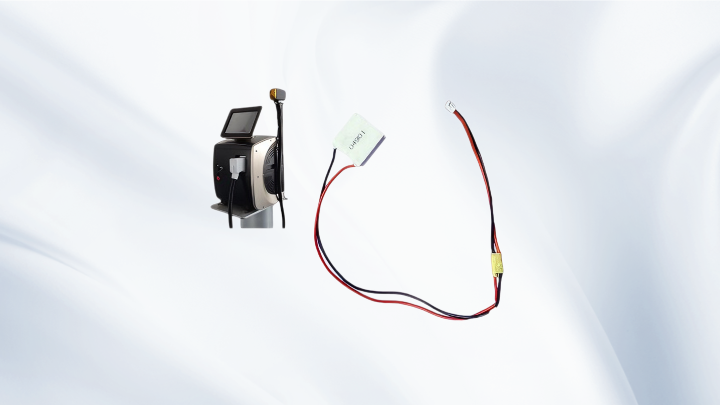
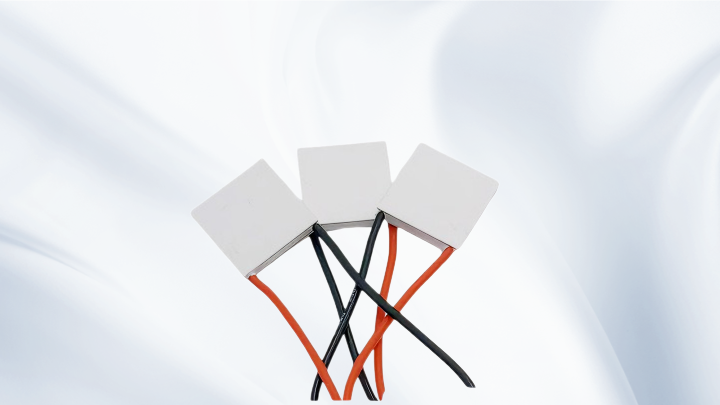
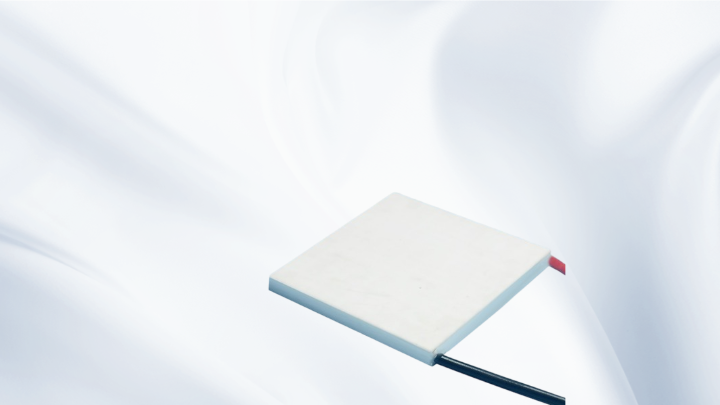
Semiconductor cooling plates, often referred to as thermoelectric coolers or Peltier devices, are essential components in modern electronics for heat management. They work by transferring heat away from sensitive semiconductor components, such as CPUs and GPUs, to prevent overheating and ensure optimal performance. User-friendly designs focus on making these plates easy to install, maintain, and integrate into various systems, reducing the technical barriers for users. By incorporating features like plug-and-play connectors, clear labeling, and modular designs, manufacturers are transforming cooling solutions from complex assemblies into accessible tools that enhance device reliability and lifespan.
Key Features of User-Friendly Cooling Plates
A user-friendly semiconductor cooling plate typically includes several key features that set it apart from traditional models. First, simplified installation processes are paramount; this might involve pre-applied thermal paste, tool-free mounting mechanisms, or color-coded wiring to prevent errors. Second, enhanced durability and low maintenance are achieved through materials like aluminum or copper alloys that resist corrosion and wear, minimizing the need for frequent replacements. Third, compatibility with a wide range of devices ensures that these plates can be used in everything from high-performance gaming rigs to industrial machinery, making them versatile and cost-effective. Additionally, features like noise reduction and energy efficiency contribute to a better user experience by reducing operational costs and environmental impact.
Benefits of Adopting User-Friendly Designs
Adopting user-friendly semiconductor cooling plates offers numerous benefits for both individual users and businesses. For consumers, it means reduced setup time and fewer technical headaches, allowing them to focus on using their devices rather than troubleshooting cooling issues. In professional settings, such as data centers or manufacturing plants, these designs can lead to increased productivity and lower downtime, as easy maintenance and reliable performance prevent costly failures. Moreover, user-friendly plates often come with comprehensive documentation and support, empowering users to make informed decisions and optimize their cooling strategies. By prioritizing accessibility, manufacturers not only improve customer satisfaction but also drive innovation in the semiconductor industry, leading to more efficient and sustainable technologies.
Practical Tips for Choosing and Using Cooling Plates
When selecting a user-friendly semiconductor cooling plate, consider factors like thermal conductivity, power requirements, and compatibility with your specific device. Look for products with positive reviews and certifications from reputable organizations to ensure quality. During installation, follow the manufacturer's instructions carefully, and use proper tools to avoid damage. Regular maintenance, such as cleaning dust from fins and checking for loose connections, can extend the plate's lifespan. For optimal performance, monitor temperatures using software tools and adjust settings as needed. By taking these steps, you can maximize the benefits of your cooling solution and avoid common pitfalls like overheating or inefficient energy use.
Common Questions
What makes a semiconductor cooling plate "user-friendly"?
A user-friendly cooling plate is designed with features that simplify installation, maintenance, and use, such as easy-to-follow instructions, durable materials, and compatibility with various devices, reducing the need for specialized knowledge.
How do I know if a cooling plate is compatible with my device?
Check the product specifications for dimensions, power ratings, and connector types, and consult the manufacturer's website or customer support to ensure it matches your device's requirements, especially for critical applications like gaming or industrial use.
Can user-friendly cooling plates be used in high-performance applications?
Yes, many user-friendly designs are engineered for high-performance scenarios, offering efficient heat dissipation and reliability, but always verify the thermal capacity and certifications to meet your specific needs.
What maintenance is required for these cooling plates?
Regular cleaning to remove dust, checking for secure connections, and monitoring temperature levels are typically sufficient; user-friendly plates often require less frequent maintenance due to their durable construction.
Are there any environmental benefits to using user-friendly cooling plates?
Yes, by improving energy efficiency and reducing waste through longer lifespans, user-friendly cooling plates can contribute to lower carbon footprints and more sustainable electronics practices.
Related Posts