




Enhancing Performance and Accessibility: The Rise of User-Friendly Semiconductor Air-Cooling Fins
Introduction to User-Friendly Semiconductor Air-Cooling Fins
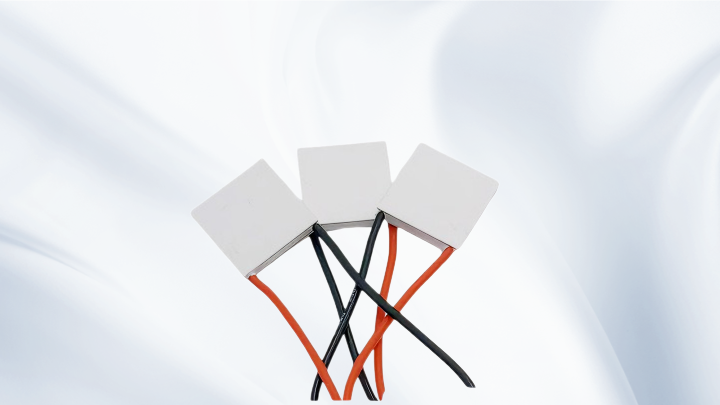
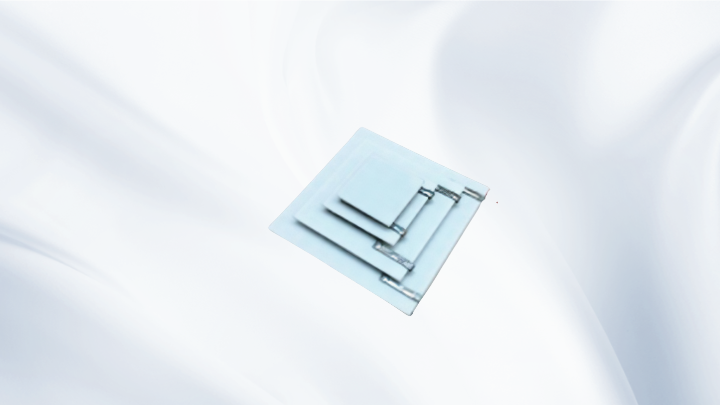
User-friendly semiconductor air-cooling fins are specialized components designed to dissipate heat from electronic devices, such as CPUs, GPUs, and power modules, using air as the cooling medium. Unlike traditional cooling solutions that may require complex installation or maintenance, these fins prioritize accessibility and simplicity. They are engineered with features like easy-to-mount designs, modular structures, and compatibility with standard tools, making them ideal for a wide range of users, from DIY builders to industrial engineers. By focusing on user experience, these fins help prevent overheating, which can lead to performance throttling or hardware failure, thereby extending the lifespan of semiconductors.
Key Features and Design Principles
The effectiveness of user-friendly semiconductor air-cooling fins lies in their thoughtful design. Key features include high thermal conductivity materials, such as aluminum or copper alloys, which efficiently transfer heat away from the semiconductor surface. Additionally, the fin geometry is optimized for maximum airflow and surface area, often incorporating staggered or pin-fin arrangements to enhance turbulence and cooling efficiency. From a user perspective, these fins often come with pre-applied thermal paste, tool-less installation mechanisms like clips or screws, and clear instructional guides. This reduces the risk of errors during setup, such as improper mounting or thermal paste application, which are common pitfalls in cooling system installation. Moreover, many models are designed to be low-profile and lightweight, ensuring they fit into compact spaces without adding excessive weight or bulk to the device.
Benefits for Different User Groups
User-friendly semiconductor air-cooling fins offer significant advantages across various applications. For home users and gamers, they provide an affordable and straightforward way to upgrade cooling without needing professional expertise, leading to better overclocking potential and quieter operation. In industrial settings, these fins simplify maintenance and reduce downtime, as they can be quickly replaced or cleaned without specialized training. For developers and researchers, the modular nature allows for easy experimentation with different cooling configurations, facilitating innovation in thermal management. Overall, the benefits include improved thermal performance, enhanced reliability, and cost savings due to reduced failure rates and easier upkeep.
Real-World Applications and Case Studies
In practice, user-friendly semiconductor air-cooling fins are widely used in sectors like computing, automotive, and telecommunications. For example, in data centers, they help manage heat in server racks, where efficient cooling is critical for uptime and energy efficiency. A case study from a major tech company showed that switching to user-friendly fins reduced installation time by 30% and improved cooling efficiency by 15%, leading to lower operational costs. In consumer electronics, such as gaming consoles or laptops, these fins enable thinner designs without compromising on heat dissipation, enhancing portability and user comfort. Another application is in renewable energy systems, like solar inverters, where reliable cooling ensures long-term performance in harsh environments. By integrating these fins, manufacturers can deliver products that are both high-performing and easy to maintain, meeting the growing demand for sustainable and accessible technology.
Common Questions
What makes an air-cooling fin "user-friendly" compared to standard ones?
User-friendly air-cooling fins are designed with features that simplify installation, maintenance, and use. This includes tool-less mounting, clear instructions, and compatibility with common hardware, reducing the need for technical skills. Standard fins may require more expertise and time to set up properly.
How do I choose the right user-friendly semiconductor air-cooling fin for my device?
Consider factors like the semiconductor's thermal design power (TDP), available space in your device, and your budget. Look for fins with good reviews on ease of installation and cooling performance. It's also helpful to check compatibility with your specific model, as many manufacturers provide sizing guides or compatibility lists online.
Can user-friendly air-cooling fins handle high-performance applications, such as overclocking?
Yes, many user-friendly fins are designed for high-performance scenarios. They use advanced materials and designs to dissipate heat effectively, but it's important to select a model rated for the thermal load of your application. For extreme overclocking, you might combine them with additional cooling methods, like liquid cooling, for optimal results.
Are there any maintenance tips for keeping these fins effective over time?
Regular cleaning is key to maintaining performance. Dust and debris can accumulate on the fins, reducing airflow. Use compressed air or a soft brush to clean them periodically, and check for any loose mounts. Avoid using harsh chemicals that could damage the materials. Most user-friendly fins are designed for easy disassembly, making maintenance straightforward.
Related Posts