




Harnessing the Power of Thermoelectric Cooling Chips: A Comprehensive Guide to Efficient Temperature Control
What Are Thermoelectric Cooling Chips?
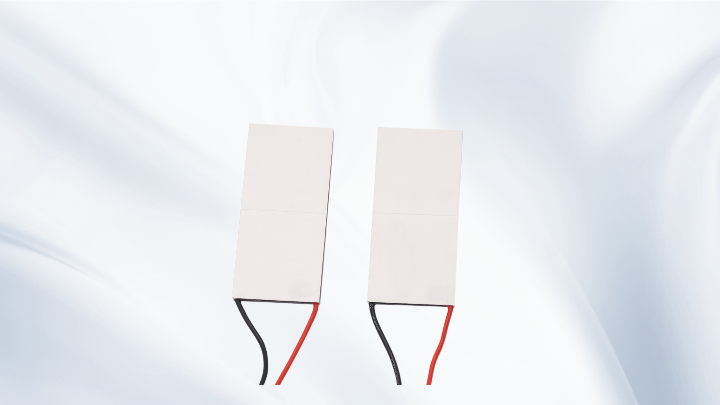
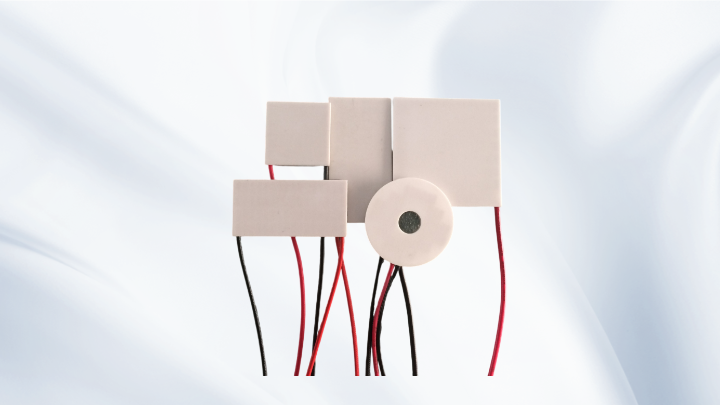
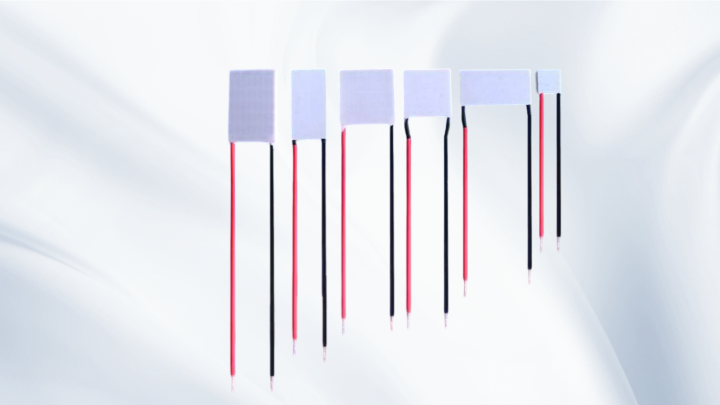
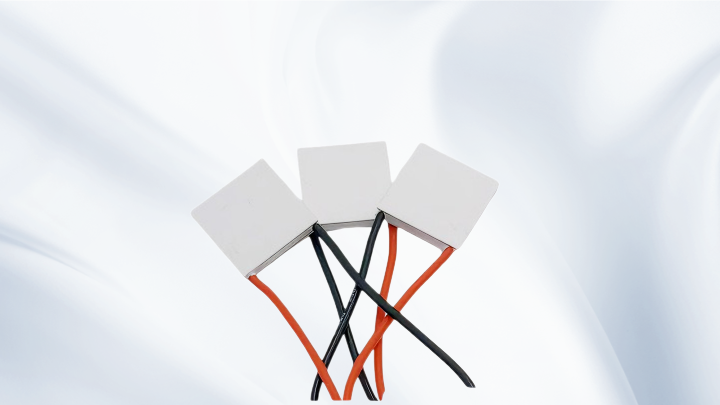
Thermoelectric cooling chips are electronic devices that utilize the Peltier effect to transfer heat from one side to another when an electric current is applied. Unlike traditional refrigeration systems that rely on compressors and refrigerants, these chips operate silently and without any moving parts, making them highly reliable and maintenance-free. They consist of semiconductor materials, typically bismuth telluride, arranged in pairs to create a temperature differential. This technology has been around for decades but has gained significant traction in recent years due to advancements in materials science and energy efficiency.
How Do Thermoelectric Cooling Chips Work?
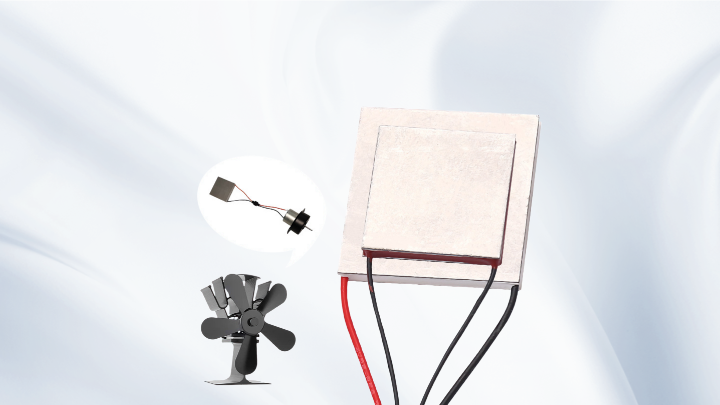
The core principle behind thermoelectric cooling chips is the Peltier effect, discovered by Jean Charles Athanase Peltier in 1834. When an electric current flows through two dissimilar conductors, heat is absorbed at one junction and released at the other. In a thermoelectric chip, multiple pairs of n-type and p-type semiconductors are connected electrically in series and thermally in parallel. As current passes through, one side becomes cold (the cold side) while the opposite side heats up (the hot side). This allows for precise temperature control, with cooling capacities ranging from a few watts to over 100 watts, depending on the chip's size and design. For optimal performance, it's crucial to manage the heat dissipation on the hot side using heat sinks or fans to prevent overheating and ensure efficient operation.
Advantages of Using Thermoelectric Cooling Chips
Thermoelectric cooling chips offer several key benefits that make them attractive for various applications. First, their solid-state nature eliminates the need for compressors, pumps, or refrigerants, reducing mechanical failure risks and environmental impact. They are compact and lightweight, enabling integration into space-constrained devices like laptops, medical instruments, and automotive systems. Additionally, they provide precise temperature control with rapid response times, allowing for stable cooling or heating as needed. From my experience in electronics design, I've found that these chips are excellent for localized cooling, such as in CPU coolers or laser diodes, where traditional methods might be too bulky or inefficient. However, it's important to note that they generally have lower energy efficiency compared to vapor-compression systems, so they are best suited for low to moderate cooling loads.
Common Applications in Industry and Daily Life
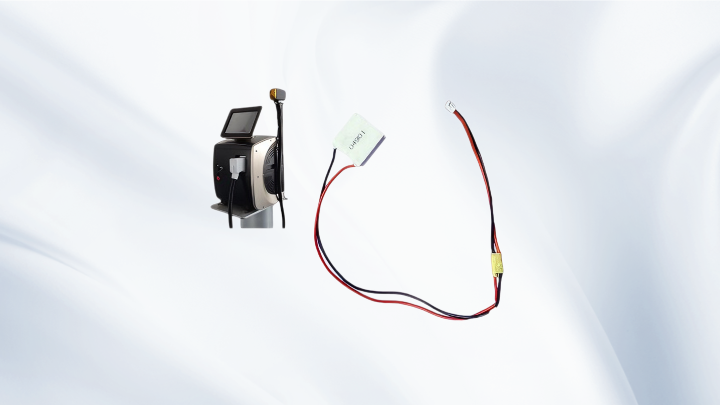
Thermoelectric cooling chips are widely used across multiple sectors due to their versatility. In the electronics industry, they are employed in computer cooling systems, telecommunications equipment, and power supplies to prevent overheating and extend device lifespan. For example, high-performance gaming PCs often incorporate Peltier coolers to manage CPU temperatures during intense usage. In the medical field, these chips are used in portable refrigerators for vaccine storage, blood analyzers, and thermal cyclers for DNA amplification, ensuring precise temperature regulation critical for sensitive procedures. Automotive applications include seat coolers and climate control systems in electric vehicles, where energy efficiency and quiet operation are paramount. Consumer products like mini-fridges, wine coolers, and dehumidifiers also leverage this technology for compact and efficient cooling solutions.
Practical Tips for Selecting and Implementing Thermoelectric Cooling Chips
When choosing a thermoelectric cooling chip for your project, consider factors such as cooling capacity, voltage requirements, and thermal management. Start by calculating the heat load you need to dissipate; this will help determine the appropriate chip size and power rating. For instance, a small electronic device might only require a 5-watt chip, while a larger system could need 50 watts or more. Ensure proper heat sinking on the hot side to maximize efficiency—using aluminum heat sinks with fans is a common practice. In my work, I've seen projects fail due to inadequate thermal management, so always test the setup under real conditions. Additionally, be mindful of power consumption; while these chips are efficient for their size, they can draw significant current, so use a reliable power supply. For DIY enthusiasts, kits are available online, but follow safety guidelines to avoid electrical hazards or damage to components.
Common Questions About Thermoelectric Cooling Chips
How efficient are thermoelectric cooling chips compared to traditional refrigeration?
Thermoelectric cooling chips are generally less energy-efficient than vapor-compression systems, with coefficients of performance (COP) typically ranging from 0.3 to 0.7, meaning they move less heat per unit of electrical energy. However, they excel in applications where compactness, silence, and precise control are more important than maximum efficiency, such as in electronics or medical devices.
Can thermoelectric cooling chips be used for heating as well?
Yes, by reversing the electric current direction, thermoelectric cooling chips can switch from cooling to heating mode. This reversibility makes them versatile for applications like temperature-controlled chambers or battery thermal management in electric vehicles, where both cooling and heating might be required depending on conditions.
What are the main limitations of thermoelectric cooling chips?
The primary limitations include lower energy efficiency, sensitivity to high temperatures (which can degrade performance), and cost compared to some traditional methods. They are best suited for small-scale or specialized uses rather than large-scale refrigeration, and proper heat dissipation is crucial to prevent failure.
How do I maintain a thermoelectric cooling chip system?
Maintenance is minimal due to the lack of moving parts, but regularly clean dust from heat sinks and fans to ensure optimal airflow. Check electrical connections for corrosion or looseness, and monitor temperature performance over time to detect any degradation. In industrial settings, periodic inspections can help extend the chip's lifespan, which often exceeds 10 years with proper care.
Related Posts