




The Trustworthy Semiconductor Refrigeration Cooler: A Guide to Reliable and Efficient Cooling Solutions
Understanding Semiconductor Refrigeration Coolers
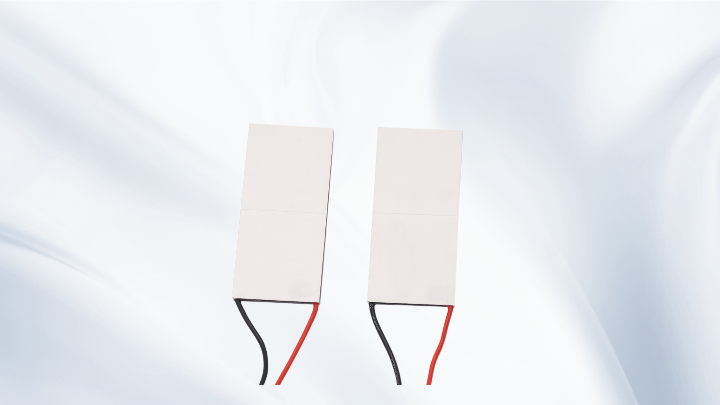
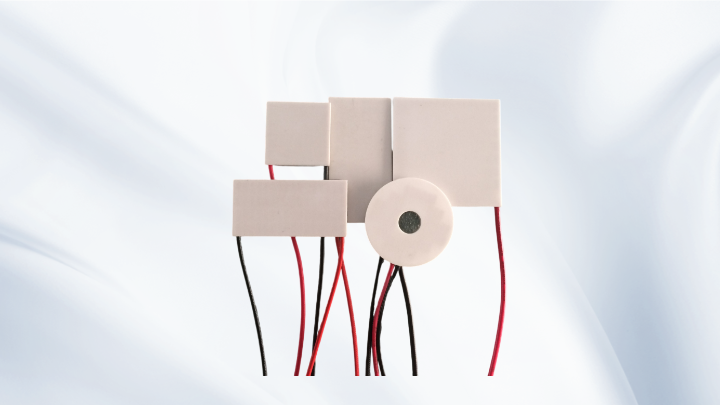
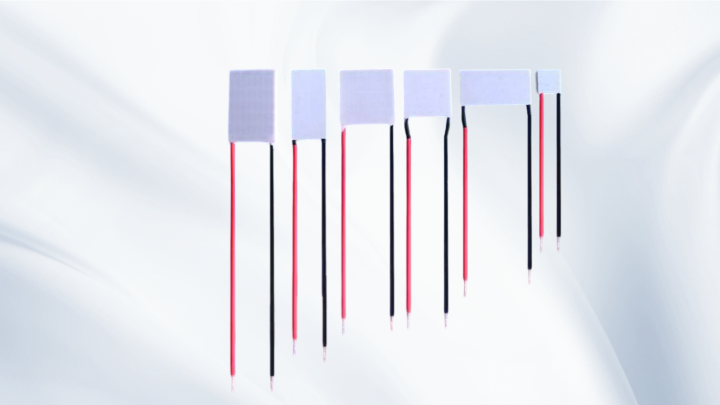
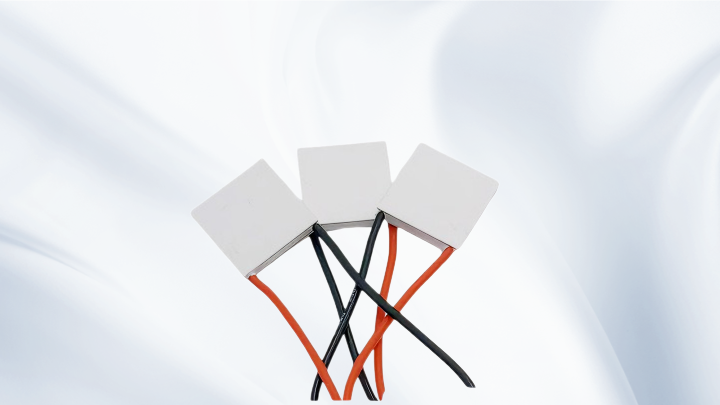
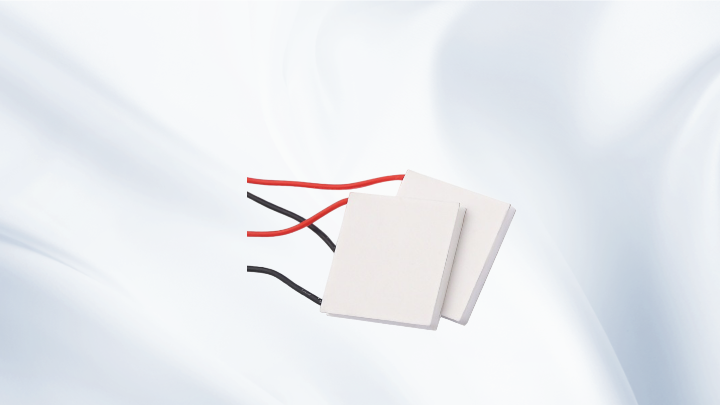
Semiconductor refrigeration coolers, also known as thermoelectric coolers (TECs), are devices that use the Peltier effect to transfer heat from one side to another when an electric current is applied. Unlike traditional compressor-based systems, they are solid-state, meaning they have no moving parts, which contributes to their durability and low maintenance. These coolers are widely used in applications such as medical equipment, laboratory instruments, and consumer electronics, where precise temperature regulation is critical.
Key Features of a Trustworthy Cooler
A trustworthy semiconductor refrigeration cooler should exhibit several essential characteristics. First, it must have high efficiency and reliability, often indicated by a high coefficient of performance (COP) and long operational lifespan. Second, quality materials, such as robust semiconductor modules and effective heat sinks, are crucial for consistent performance. Third, safety certifications, like UL or CE marks, ensure compliance with industry standards. Additionally, a good cooler should offer stable temperature control with minimal noise and energy consumption, making it suitable for sensitive environments.
Benefits of Using Trustworthy Coolers
Investing in a trustworthy semiconductor refrigeration cooler brings numerous advantages. It provides precise and rapid cooling, which is vital for applications like laser systems or data centers where temperature fluctuations can cause damage. The solid-state design reduces the risk of mechanical failure, leading to lower downtime and maintenance costs. Moreover, these coolers are environmentally friendly, as they do not use refrigerants that can harm the ozone layer. By choosing a reliable model, users can enhance the longevity and efficiency of their equipment.
How to Select the Right Cooler
Selecting a trustworthy semiconductor refrigeration cooler requires careful consideration of several factors. Start by assessing the cooling capacity needed for your application, measured in watts or degrees Celsius. Check the manufacturer's reputation and look for reviews or certifications that attest to quality. Consider the operating temperature range and ensure it matches your requirements. It's also important to evaluate the power consumption and compatibility with your power supply. For optimal results, consult with experts or refer to technical datasheets to make an informed decision.
Maintenance and Best Practices
To maintain the trustworthiness of your semiconductor refrigeration cooler, follow best practices for installation and upkeep. Ensure proper heat dissipation by using adequate thermal paste and mounting the cooler in a well-ventilated area. Regularly clean dust and debris from heat sinks to prevent overheating. Monitor performance through temperature sensors and address any issues promptly to avoid long-term damage. By adhering to these guidelines, you can extend the cooler's lifespan and maintain its efficiency over time.
Common Questions
What is the typical lifespan of a semiconductor refrigeration cooler?A trustworthy semiconductor refrigeration cooler can last between 50,000 to 100,000 hours of continuous operation, depending on usage conditions and quality. Proper maintenance, such as keeping it clean and avoiding overloading, can help maximize its lifespan.
How do I know if a cooler is trustworthy?Look for indicators like manufacturer warranties, safety certifications (e.g., UL, CE), positive customer reviews, and technical specifications that match your needs. Trustworthy coolers often come from reputable brands with a history of reliable products.
Can semiconductor refrigeration coolers be used in outdoor environments?Yes, but it depends on the model's design and protection ratings. Some coolers are built with waterproof or dust-resistant features for outdoor use. Always check the IP rating and manufacturer guidelines to ensure suitability for harsh conditions.
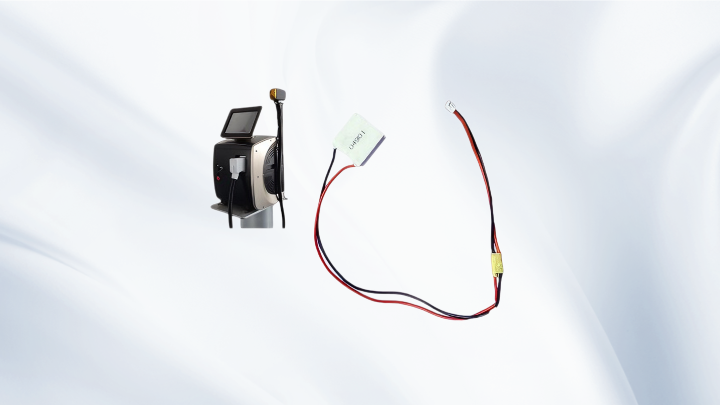
What are the common applications for these coolers?They are commonly used in medical devices (e.g., blood analyzers), laboratory equipment (e.g., PCR machines), consumer electronics (e.g., mini-fridges), and industrial systems (e.g., laser cooling). Their precise temperature control makes them ideal for sensitive tasks.
Related Posts