





Trustworthy Semiconductor Refrigerant Chips: Revolutionizing Cooling Technology with Reliability and Efficiency
Introduction to Trustworthy Semiconductor Refrigerant Chips
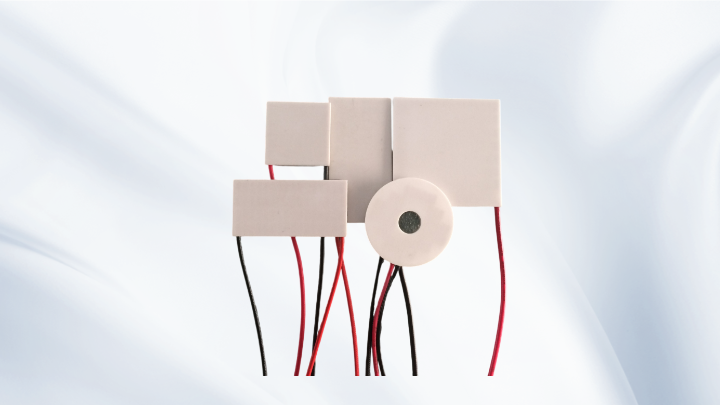
Trustworthy Semiconductor Refrigerant Chips, often referred to as thermoelectric cooling chips, are innovative devices that leverage the Peltier effect to provide precise temperature control without moving parts. Unlike traditional cooling methods, these chips offer high reliability and energy efficiency, making them ideal for applications where stability is critical. They are commonly used in electronics, medical equipment, and automotive systems to prevent overheating and extend product lifespans.
How Trustworthy Semiconductor Refrigerant Chips Work
The core mechanism of these chips involves the use of semiconductor materials that create a temperature difference when an electric current is applied. This process, known as the Peltier effect, allows for active cooling or heating on demand. Key components include n-type and p-type semiconductors sandwiched between ceramic plates, which facilitate heat transfer. By controlling the current, users can achieve precise thermal management, reducing the risk of component failure and improving overall system performance.
Advantages of Using Trustworthy Semiconductor Refrigerant Chips
One of the primary benefits is their compact size and silent operation, as they lack fans or compressors. This makes them suitable for noise-sensitive environments like laboratories or consumer electronics. Additionally, they offer fast response times and low maintenance, as there are no mechanical parts to wear out. Their reliability stems from solid-state construction, which minimizes the risk of leaks or breakdowns common in refrigerant-based systems.
Applications in Various Industries
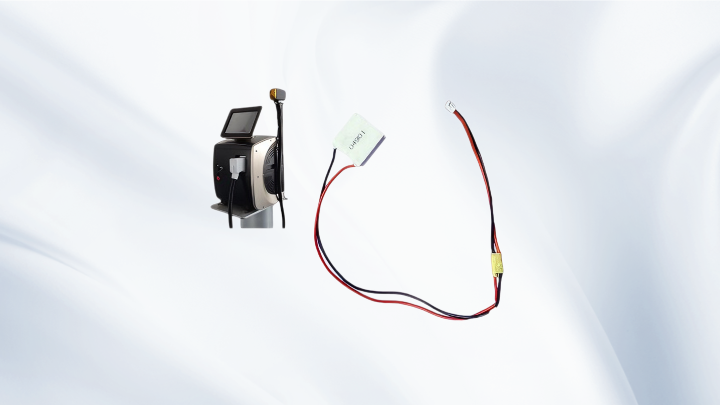
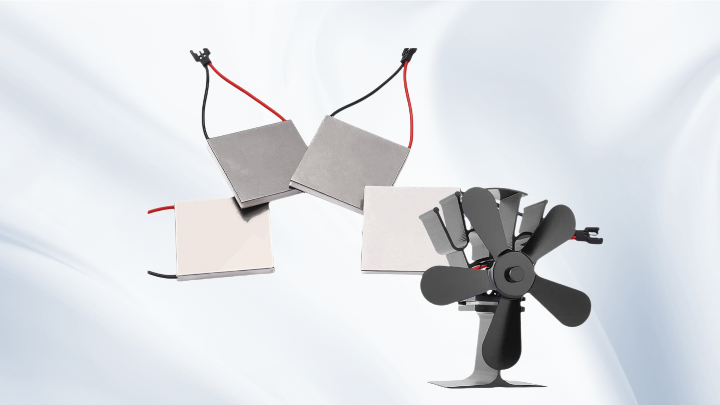
Trustworthy Semiconductor Refrigerant Chips are widely adopted across multiple sectors. In the electronics industry, they cool CPUs, GPUs, and other high-power components in computers and servers. In medical devices, they ensure stable temperatures for diagnostic equipment and drug storage. The automotive sector uses them in climate control systems and battery thermal management for electric vehicles. Their versatility also extends to aerospace and telecommunications, where dependable cooling is essential for mission-critical operations.
Challenges and Considerations
Despite their advantages, these chips face challenges such as limited cooling capacity compared to traditional systems and higher initial costs. To maximize effectiveness, it's important to consider factors like heat dissipation, power supply, and environmental conditions. Proper integration with heat sinks and insulation can enhance performance. As technology advances, ongoing research aims to improve efficiency and reduce costs, making them more accessible for broader applications.
Future Trends and Innovations
The future of Trustworthy Semiconductor Refrigerant Chips looks promising, with developments in nanomaterials and advanced manufacturing techniques driving improvements. Innovations may include higher coefficient of performance (COP) values and integration with IoT for smart thermal management. As demand for sustainable solutions grows, these chips are poised to play a key role in reducing energy consumption and supporting green technologies.
Common Questions
What makes Trustworthy Semiconductor Refrigerant Chips more reliable than traditional cooling methods?
Their solid-state design eliminates moving parts, reducing the risk of mechanical failure and leaks, which enhances long-term reliability and minimizes maintenance needs.
Are these chips suitable for high-temperature environments?
Yes, but their efficiency may decrease at extreme temperatures. Proper heat management and system design are crucial to ensure optimal performance in such conditions.
How do I choose the right chip for my application?
Consider factors like cooling capacity, power requirements, size constraints, and environmental factors. Consulting with manufacturers or experts can help select a model that matches your specific needs.
Can these chips be used for heating as well as cooling?
Absolutely. By reversing the electric current, they can switch between cooling and heating modes, offering versatile temperature control for various applications.
Related Posts