




Trustworthy High Thermal Conductivity Ceramic Cooling Sheets: The Ultimate Solution for Efficient Heat Management
Introduction to Ceramic Cooling Sheets
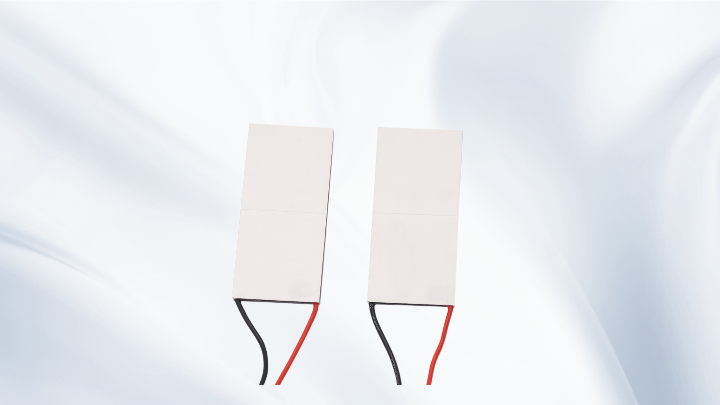
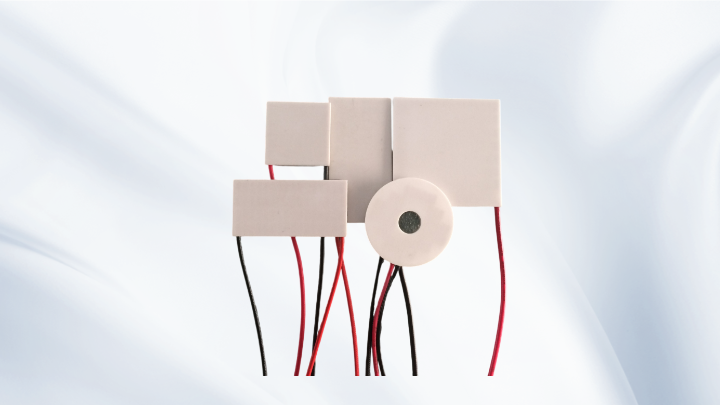
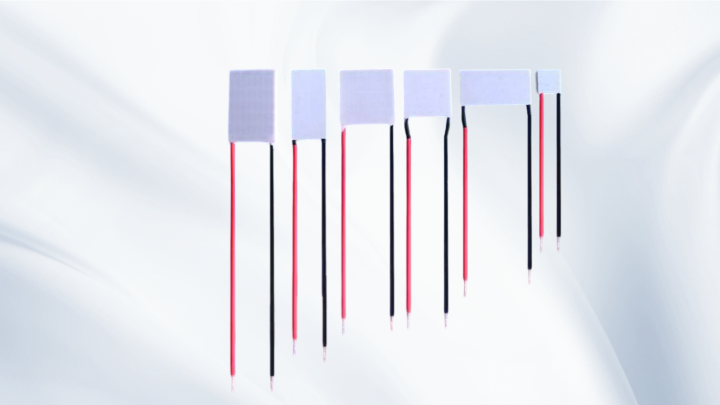
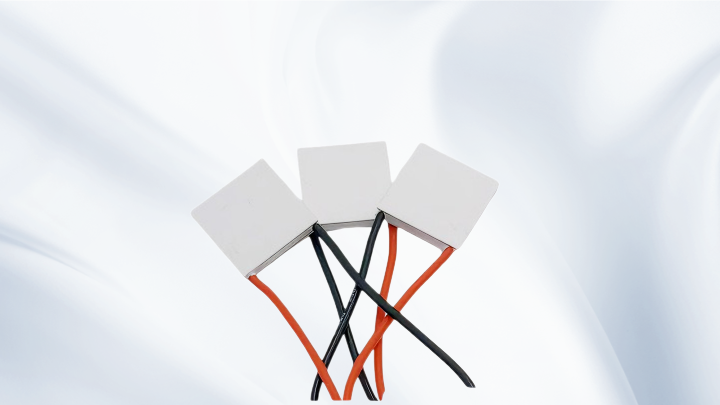
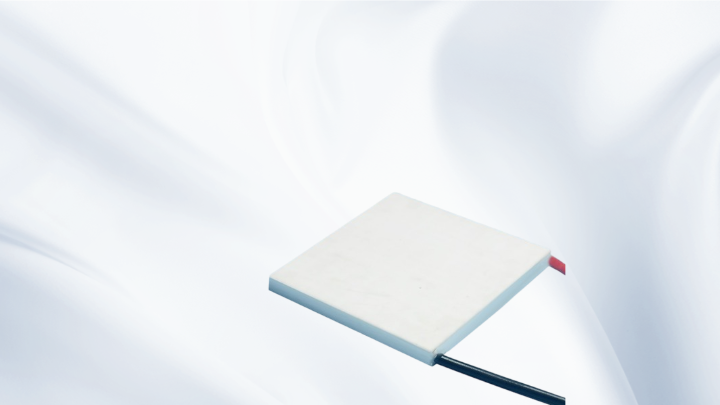
Ceramic cooling sheets are advanced materials designed to transfer heat away from electronic components efficiently. Made from high-quality ceramics like aluminum nitride or boron nitride, these sheets boast exceptional thermal conductivity, often exceeding 100 W/mK. Unlike traditional metal-based solutions, they provide electrical insulation, preventing short circuits and enhancing safety in sensitive applications.
Why Trustworthiness Matters in Thermal Management
When selecting cooling solutions, reliability is paramount. Trustworthy ceramic cooling sheets are manufactured under strict quality controls, ensuring consistent performance and long-term durability. They resist corrosion, thermal shock, and mechanical stress, making them ideal for harsh environments. For instance, in aerospace or automotive electronics, where failure is not an option, these sheets deliver unwavering dependability.
Key Benefits of High Thermal Conductivity
The high thermal conductivity of ceramic sheets allows for rapid heat dissipation, reducing the risk of overheating in devices like CPUs, LEDs, and power modules. This leads to improved efficiency, extended lifespan, and reduced energy consumption. Compared to silicone-based pads or thermal pastes, ceramics offer a more stable and efficient heat transfer, with minimal thermal resistance over time.
Applications Across Industries
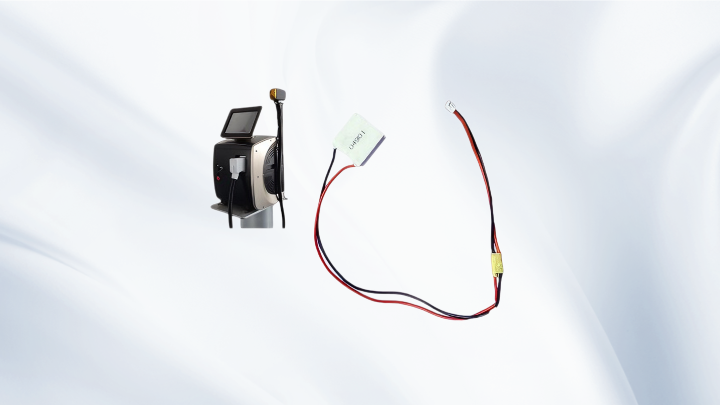
These cooling sheets are versatile and find use in various sectors. In consumer electronics, they help smartphones and laptops run cooler, enhancing user experience. In industrial settings, they protect machinery and control systems from thermal damage. The renewable energy sector also benefits, as they manage heat in solar panels and wind turbines, boosting overall system reliability.
Choosing the Right Ceramic Cooling Sheet
To maximize benefits, consider factors like thermal conductivity rating, thickness, and compatibility with your device. Look for products from reputable suppliers that provide certifications and performance data. Proper installation is key—ensure even pressure and clean surfaces to avoid air gaps that can reduce effectiveness.
Common Questions
What makes ceramic cooling sheets more trustworthy than other materials?
Ceramic cooling sheets are trustworthy due to their inherent properties like high thermal stability, electrical insulation, and resistance to degradation. They undergo rigorous testing to meet industry standards, ensuring consistent performance in demanding applications.
How do I install a ceramic cooling sheet properly?
To install, clean the surfaces of both the heat source and heat sink, apply a thin layer of thermal interface material if needed, place the sheet evenly, and secure it with appropriate pressure. Avoid bending or damaging the sheet during handling.
Can these sheets be used in high-temperature environments?
Yes, ceramic cooling sheets excel in high-temperature settings, often withstanding temperatures up to 1000°C or more, depending on the material. This makes them suitable for applications like automotive engines or industrial furnaces.
Are there any maintenance requirements for ceramic cooling sheets?
Generally, ceramic cooling sheets require minimal maintenance. They are durable and do not degrade easily, but periodic checks for physical damage or contamination can help ensure optimal performance over time.
Related Posts