




Trustworthy Semiconductor Cooling Plates: Ensuring Reliability and Performance in Modern Electronics
Introduction to Semiconductor Cooling Plates
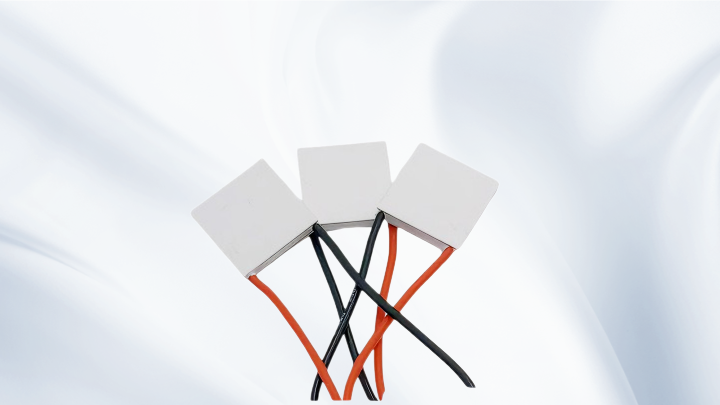
Semiconductor cooling plates are essential components in electronic systems, designed to dissipate heat generated by semiconductors like CPUs, GPUs, and power modules. As devices become more powerful and compact, effective thermal management is critical to prevent overheating, which can lead to reduced performance, reliability issues, or even failure. A trustworthy cooling plate ensures consistent heat transfer, durability, and safety, making it a key factor in the overall dependability of electronic products. In industries ranging from consumer electronics to automotive and aerospace, the demand for reliable cooling solutions is growing, driven by advancements in technology and increasing power densities.
Key Features of Trustworthy Cooling Plates
To be considered trustworthy, a semiconductor cooling plate must exhibit several key characteristics. First, it should have high thermal conductivity, often achieved through materials like copper, aluminum, or advanced composites. For example, copper plates offer excellent heat dissipation but may be heavier, while aluminum provides a lighter alternative with good performance. Second, durability is paramount; the plate must withstand thermal cycling, mechanical stress, and environmental factors without degrading. This involves robust manufacturing processes, such as precision machining or bonding techniques, to ensure long-term stability. Third, a trustworthy cooling plate should be designed for compatibility with various semiconductor packages and cooling systems, allowing for seamless integration into different applications. Additionally, certifications and testing, such as thermal resistance measurements and reliability assessments, help verify performance and build confidence among users.
Applications and Industry Use Cases
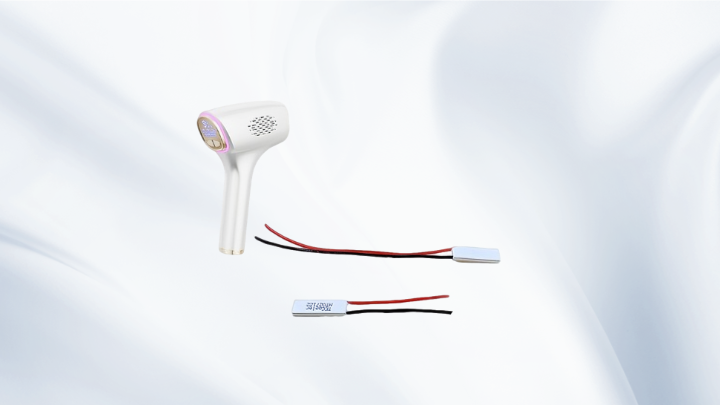
Trustworthy semiconductor cooling plates are utilized across a wide range of industries, each with specific requirements. In the consumer electronics sector, they are found in smartphones, laptops, and gaming consoles, where compact designs and efficient cooling are essential for user experience and device longevity. In automotive applications, cooling plates manage heat in electric vehicle power electronics, ensuring safety and efficiency under demanding conditions. The aerospace and defense industries rely on them for avionics and communication systems, where failure is not an option. Moreover, in data centers and server farms, cooling plates help maintain optimal temperatures for high-performance computing, reducing energy costs and downtime. By understanding these use cases, engineers can select or design cooling plates that meet the unique challenges of each environment.
Best Practices for Selection and Maintenance
Choosing and maintaining a trustworthy semiconductor cooling plate involves several best practices. When selecting a plate, consider factors like thermal performance, material compatibility, and cost-effectiveness. It's advisable to review manufacturer specifications, such as thermal resistance values and operating temperature ranges, to ensure they align with your application's needs. For installation, proper mounting and thermal interface materials (e.g., thermal paste or pads) are crucial to maximize heat transfer. Regular maintenance, including cleaning to prevent dust buildup and monitoring for signs of wear, can extend the plate's lifespan. In my experience, collaborating with reputable suppliers who provide technical support and warranty options can further enhance reliability. By following these guidelines, users can optimize cooling efficiency and avoid common pitfalls like thermal throttling or premature failure.
Common Questions
What makes a semiconductor cooling plate "trustworthy"?A trustworthy cooling plate is characterized by high thermal conductivity, durability, compatibility, and verified performance through testing. It should reliably dissipate heat over time without compromising safety or efficiency.
How do I choose the right cooling plate for my application?Evaluate your thermal requirements, space constraints, and budget. Consult manufacturer data sheets, consider material properties, and seek expert advice if needed to ensure a good fit for your specific use case.
Can cooling plates be customized for unique designs?Yes, many manufacturers offer customization options for shape, size, and materials to meet specialized needs, but this may involve higher costs and longer lead times.
What are common issues with cooling plates and how to address them?Common issues include poor thermal contact, corrosion, or mechanical failure. Address these by using quality thermal interface materials, selecting corrosion-resistant coatings, and performing regular inspections.
Related Posts