




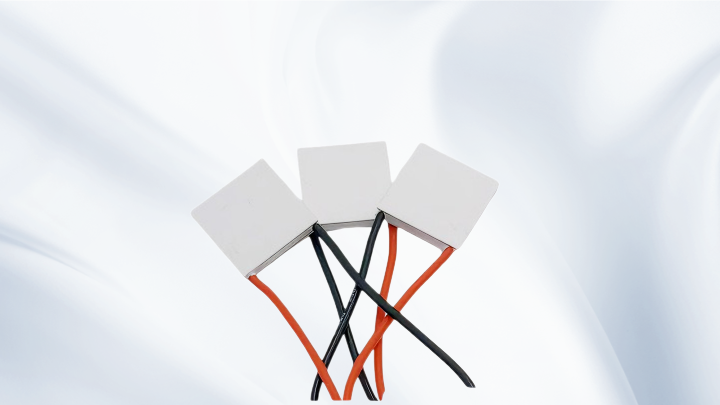
Trustworthy Semiconductor Air-Cooling Fins: Enhancing Reliability and Performance in Modern Electronics
Introduction to Air-Cooling Fins in Semiconductors
Air-cooling fins are essential components in semiconductor devices, designed to dissipate heat generated during operation. They work by increasing the surface area exposed to air, allowing for efficient thermal management through convection. In trustworthy semiconductor systems, these fins must be made from high-quality materials like aluminum or copper to ensure durability and consistent performance. Without proper cooling, semiconductors can overheat, leading to reduced efficiency, data loss, or even permanent damage. Thus, investing in reliable air-cooling fins is a key step in maintaining the integrity of electronic systems, from consumer gadgets to industrial machinery.
Key Features of Trustworthy Air-Cooling Fins
Trustworthy air-cooling fins exhibit several critical features that set them apart from inferior alternatives. First, they are manufactured with precision engineering to optimize airflow and heat transfer. This often involves advanced designs, such as finned arrays or heat sinks with specific geometries that maximize contact with air. Additionally, these fins are typically coated or treated to resist corrosion and oxidation, which can degrade performance over time. Material selection is also vital; for instance, aluminum alloys offer a good balance of lightweight properties and thermal conductivity, while copper provides superior heat dissipation but at a higher cost. By focusing on these aspects, manufacturers ensure that the fins can handle high thermal loads without failing, making them a trustworthy choice for demanding applications like servers, automotive electronics, and medical devices.
Benefits of Using Trustworthy Air-Cooling Fins
Incorporating trustworthy air-cooling fins into semiconductor systems brings numerous benefits. Primarily, they enhance device reliability by preventing overheating, which is a common cause of component failure. This leads to longer lifespans for electronics, reducing the need for frequent replacements and lowering overall maintenance costs. Moreover, efficient cooling improves performance, as semiconductors can operate at optimal temperatures without throttling or slowdowns. For example, in data centers, reliable air-cooling fins help maintain server uptime and energy efficiency, contributing to sustainable operations. From an environmental perspective, using durable fins reduces electronic waste and supports eco-friendly practices. Overall, these benefits make trustworthy air-cooling fins a smart investment for both manufacturers and end-users, ensuring safety and efficiency in various technological contexts.
Common Challenges and Solutions
Despite their advantages, air-cooling fins can face challenges that impact their trustworthiness. One common issue is dust accumulation, which can clog fins and reduce airflow, leading to inefficient cooling. To address this, regular cleaning and maintenance are recommended, or using fins with anti-dust coatings. Another challenge is thermal interface resistance, where poor contact between the fin and semiconductor surface hinders heat transfer. This can be mitigated by applying thermal paste or pads to ensure a tight bond. Additionally, in high-vibration environments, fins may become loose or damaged, so securing them with robust mounting mechanisms is crucial. By proactively tackling these problems, users can maintain the effectiveness of air-cooling fins and uphold their reliability over time.
Best Practices for Selection and Maintenance
To maximize the benefits of trustworthy air-cooling fins, it's important to follow best practices in selection and maintenance. When choosing fins, consider factors like thermal conductivity, size compatibility, and environmental conditions. For instance, in humid areas, opt for corrosion-resistant materials to prevent degradation. During installation, ensure proper alignment and secure attachment to avoid gaps that could impair cooling. For ongoing maintenance, schedule periodic inspections to check for dust buildup or damage, and clean fins using compressed air or soft brushes. In industrial settings, implementing monitoring systems to track temperature and airflow can help detect issues early. By adhering to these guidelines, users can extend the lifespan of their air-cooling fins and maintain optimal semiconductor performance, ultimately supporting trustworthy operations in their systems.
Common Questions
What are the main materials used for trustworthy air-cooling fins?
Trustworthy air-cooling fins are commonly made from aluminum or copper. Aluminum is lightweight and cost-effective, offering good thermal conductivity, while copper provides superior heat dissipation but is heavier and more expensive. Both materials are often alloyed or treated to enhance durability and resistance to environmental factors.
How often should air-cooling fins be cleaned?
Cleaning frequency depends on the environment. In dusty or industrial settings, it's advisable to clean fins every 3-6 months to prevent clogging. In cleaner environments, annual inspections may suffice. Regular checks can help determine the optimal schedule based on dust accumulation and performance metrics.
Can air-cooling fins be used in all semiconductor devices?
Air-cooling fins are versatile and suitable for many semiconductor applications, including computers, automotive systems, and telecommunications equipment. However, in extremely high-power or compact devices, liquid cooling or other advanced methods might be more effective. It's important to assess thermal requirements and space constraints when selecting cooling solutions.
Related Posts