




Unlocking the Future: The Power of Premium Thermoelectric Generator Chips in Sustainable Energy
What Are Premium Thermoelectric Generator Chips?
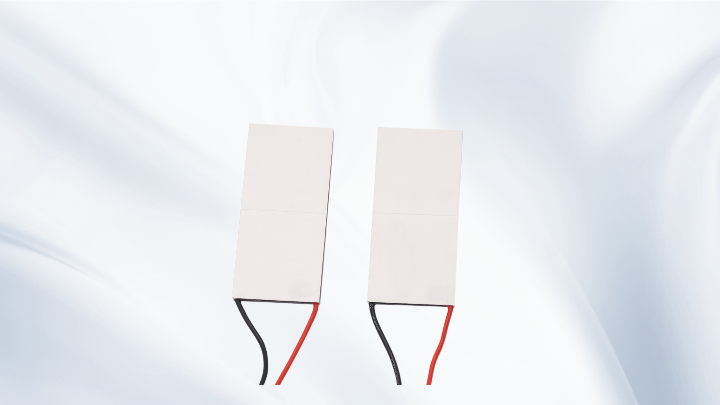
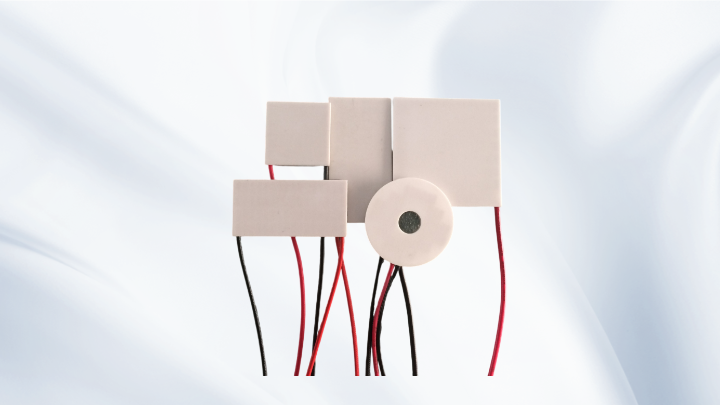
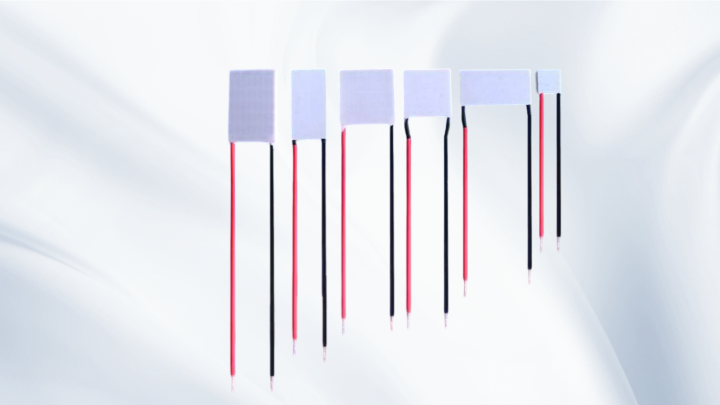
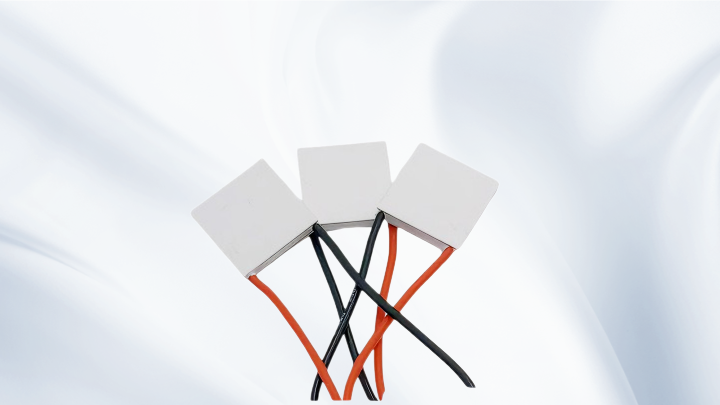
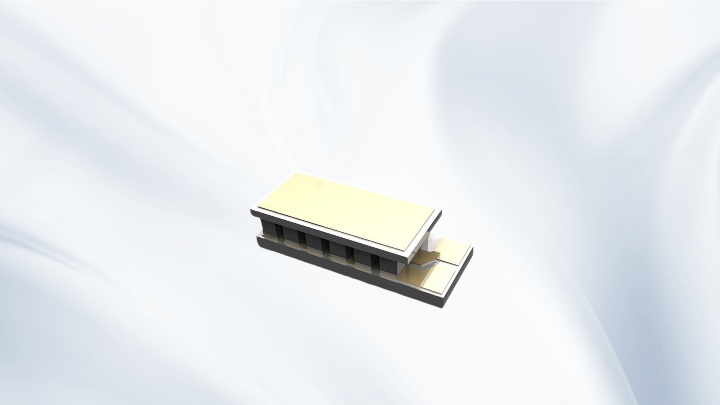
Premium thermoelectric generator chips are sophisticated semiconductor devices designed to harness the Seebeck effect, which converts temperature differences into electrical voltage. Unlike standard thermoelectric materials, these premium chips are engineered with high-performance materials like bismuth telluride or skutterudites, ensuring superior efficiency and durability. They typically feature enhanced thermal conductivity and low electrical resistance, allowing them to operate effectively in harsh environments, from industrial machinery to automotive systems. By leveraging nanotechnology and precise manufacturing, these chips achieve conversion efficiencies of up to 15-20%, making them a viable option for reducing energy waste and promoting sustainability.
Key Advantages and Benefits
The primary advantage of premium thermoelectric generator chips lies in their ability to generate electricity from otherwise wasted heat sources. This not only improves energy efficiency but also reduces reliance on fossil fuels. For instance, in automotive applications, these chips can capture exhaust heat to power auxiliary systems, potentially boosting fuel economy by up to 5%. Additionally, their solid-state design means no moving parts, resulting in minimal maintenance and long operational lifespans. They are also highly scalable, suitable for everything from small wearable devices to large industrial plants. From a cost perspective, while initial investments may be higher, the long-term savings in energy bills and reduced environmental impact make them a smart choice for forward-thinking businesses.
Applications Across Industries
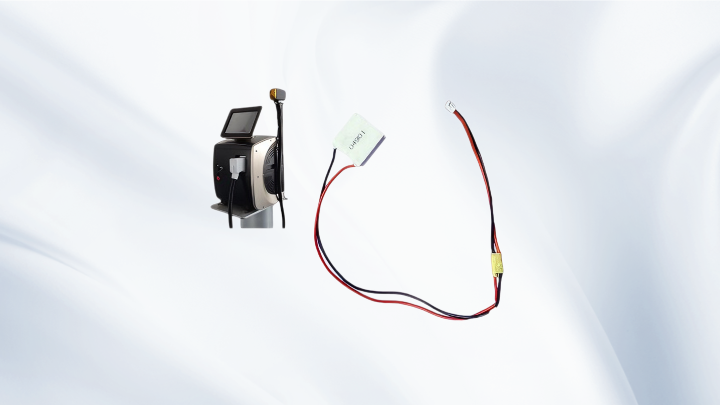
Premium thermoelectric generator chips are revolutionizing various sectors by providing clean, on-demand power. In the automotive industry, they are integrated into exhaust systems to convert heat into electricity for charging batteries or running electronics, enhancing vehicle efficiency. In aerospace, these chips power sensors and communication devices in satellites, where solar energy is limited. The industrial sector benefits by recovering waste heat from furnaces and engines, reducing overall energy consumption. Moreover, in consumer electronics, they enable self-powered gadgets like smartwatches that harness body heat. As technology advances, we can expect to see more innovative uses, such as in medical implants or remote monitoring systems, further expanding their utility.
Challenges and Future Developments
Despite their potential, premium thermoelectric generator chips face challenges that need addressing for widespread adoption. One major hurdle is cost-effectiveness, as high-quality materials and manufacturing processes can be expensive. Researchers are actively working on developing cheaper alternatives, such as organic thermoelectrics, without compromising performance. Another issue is thermal management; maintaining optimal temperature gradients is crucial for efficiency, which requires advanced cooling systems in some applications. Looking ahead, trends like the integration of artificial intelligence for predictive maintenance and the use of 3D printing for custom designs are poised to enhance their capabilities. With ongoing innovations, these chips could play a pivotal role in achieving global energy sustainability goals by 2050.
Common Questions
How efficient are premium thermoelectric generator chips compared to traditional methods?
Premium thermoelectric generator chips typically achieve efficiencies of 15-20%, which is lower than some conventional power sources like solar panels (up to 25%) but excels in specific scenarios where waste heat is abundant. Their value lies in converting otherwise lost energy, making them complementary to other renewable technologies.
What are the main limitations of using these chips?
The main limitations include higher initial costs due to premium materials, sensitivity to temperature fluctuations that can affect performance, and the need for precise thermal management systems. However, ongoing research aims to mitigate these issues through material science and design improvements.
Can premium thermoelectric generator chips be used in residential settings?
Yes, they can be applied in homes to capture heat from appliances like stoves or water heaters, generating electricity for small devices. While not yet common, pilot projects show promise for reducing household energy bills and carbon footprints as technology becomes more affordable.
Related Posts