




Unlocking Efficiency: The Ultimate Guide to Premium Thermoelectric Cooling Modules
Understanding Premium Thermoelectric Cooling Modules
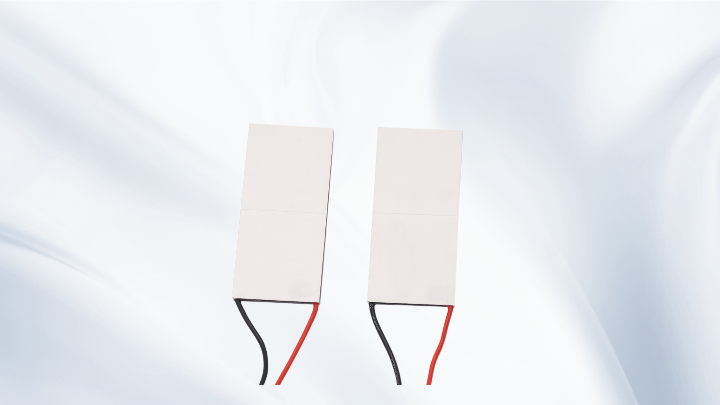
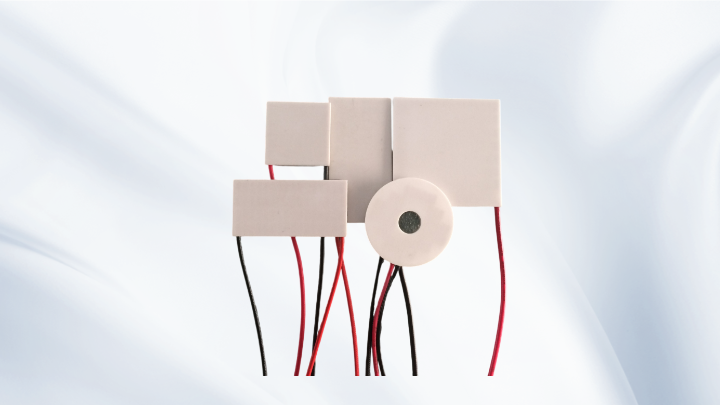
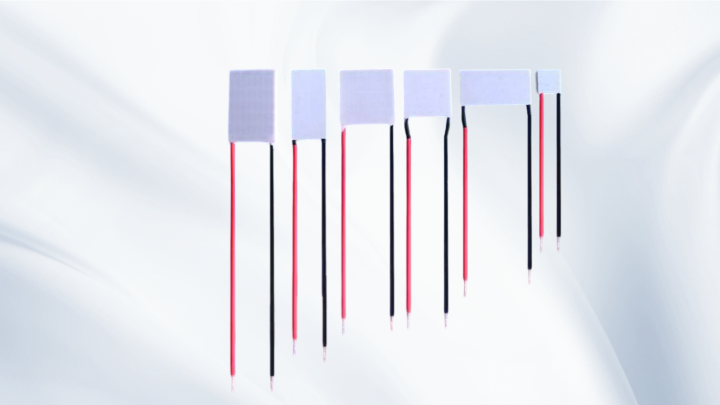
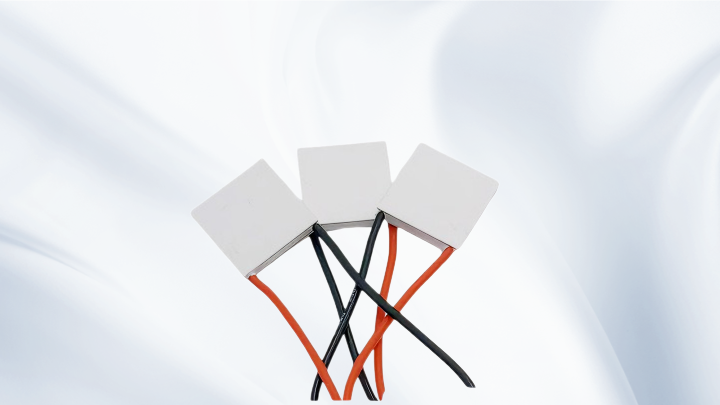
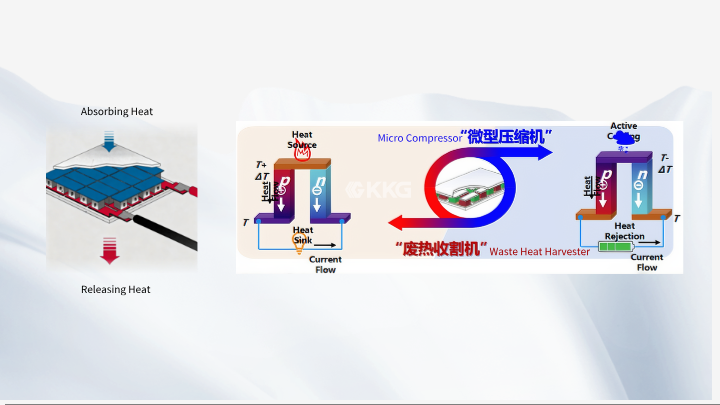
Premium thermoelectric cooling modules, often referred to as Peltier modules, are solid-state devices that use the Peltier effect to transfer heat from one side to another when an electric current is applied. Unlike traditional cooling methods that rely on compressors or fans, these modules operate silently and without moving parts, making them highly reliable and durable. They are commonly used in applications requiring precise temperature control, such as in electronics cooling, medical equipment, and scientific instruments. By leveraging advanced materials like bismuth telluride, premium modules achieve higher efficiency and cooling capacities, making them a top choice for demanding environments.
Key Features and Advantages
One of the standout features of premium thermoelectric cooling modules is their compact size and lightweight design, which allows for easy integration into space-constrained systems. They offer rapid cooling response times, enabling quick temperature adjustments that are crucial in time-sensitive applications like laser systems or semiconductor manufacturing. Additionally, these modules are environmentally friendly, as they do not use refrigerants that can harm the ozone layer. Their energy efficiency can lead to reduced operational costs over time, especially when paired with smart controllers that optimize power usage based on cooling demands. For instance, in a data center, using premium modules can help maintain optimal server temperatures while minimizing energy consumption.
Applications in Various Industries
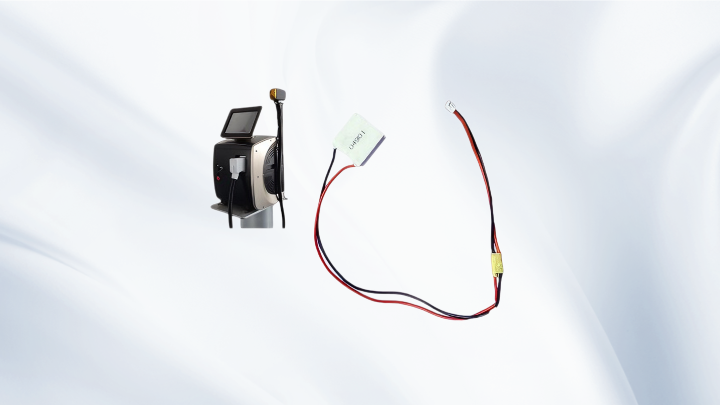
Premium thermoelectric cooling modules find widespread use across multiple sectors. In the electronics industry, they are employed to cool high-performance CPUs, GPUs, and other components in computers and gaming consoles, preventing overheating and extending device lifespan. In medical fields, these modules are critical for temperature-sensitive equipment like PCR machines and blood analyzers, ensuring accurate test results. Industrial applications include cooling laser diodes and optical sensors, where stable temperatures are essential for precision. Moreover, consumer products such as portable refrigerators and wine coolers benefit from their quiet operation and reliability. By understanding these applications, users can better select and implement modules tailored to their specific needs.
Best Practices for Selection and Installation
When choosing a premium thermoelectric cooling module, consider factors like cooling capacity, voltage requirements, and thermal resistance. It's essential to match the module's specifications with the heat load of your application to avoid underperformance or damage. For installation, ensure proper thermal interface materials, such as thermal paste or pads, are used to maximize heat transfer between the module and heat sinks. Adequate heat dissipation on the hot side is crucial; using fans or liquid cooling systems can enhance efficiency. Regular maintenance, such as cleaning dust from heat sinks, helps maintain optimal performance. Consulting with manufacturers or experts can provide tailored advice, especially for complex setups in industrial or medical environments.
Common Questions
What is the typical lifespan of a premium thermoelectric cooling module?
Premium thermoelectric cooling modules generally have a long lifespan, often exceeding 100,000 hours of continuous operation, due to their solid-state construction without moving parts. However, factors like operating temperature, power fluctuations, and proper installation can affect durability. Regular monitoring and maintenance can help extend their service life.
How do I calculate the cooling capacity needed for my application?
To calculate cooling capacity, determine the heat load in watts that needs to be removed, considering factors like ambient temperature and desired cooling temperature. Manufacturers often provide datasheets with performance curves; consulting these or using online calculators can help select a module with sufficient capacity. It's advisable to add a safety margin of 10-20% to account for unexpected variations.
Can premium thermoelectric cooling modules be used for heating as well?
Yes, premium thermoelectric cooling modules can also be used for heating by reversing the electric current direction, which switches the hot and cold sides. This makes them versatile for applications requiring both cooling and heating, such as in temperature-controlled chambers or climate control systems. However, efficiency may vary, so it's important to check specifications for heating performance.
Related Posts