




Unlocking Efficiency: The Power of Premium Thermoelectric Cooling Chips in Modern Technology
Introduction to Thermoelectric Cooling Technology
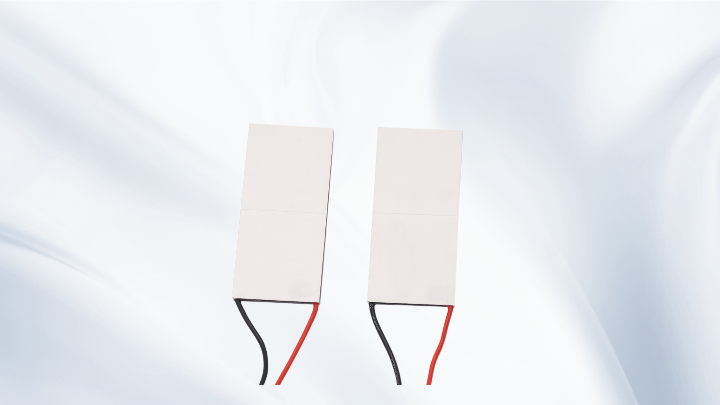
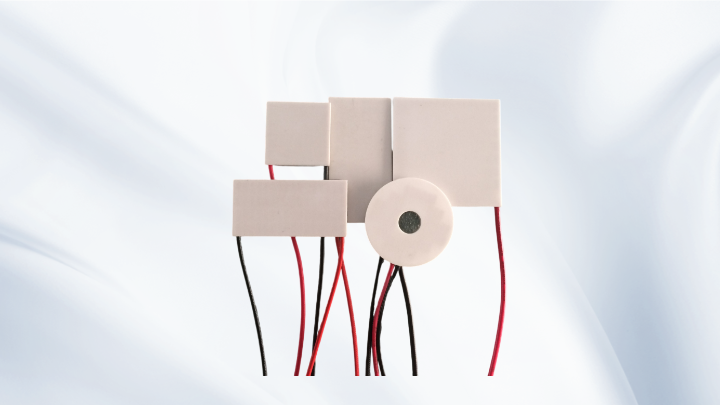
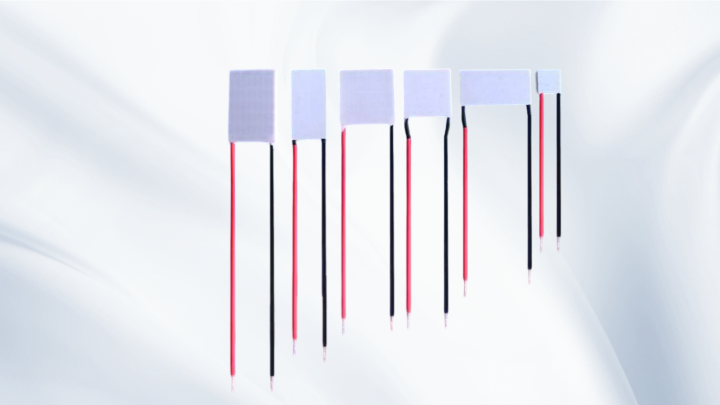
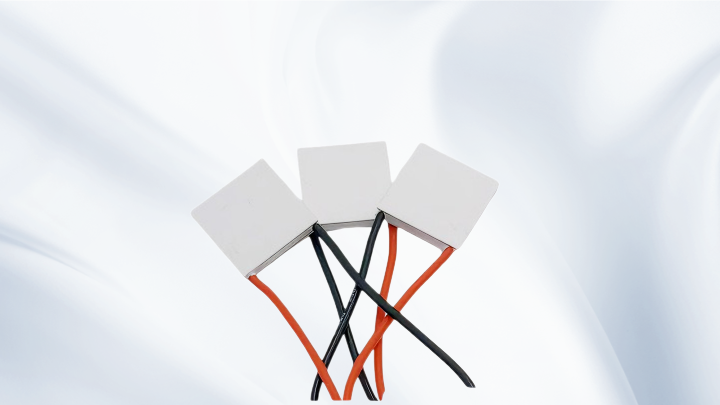
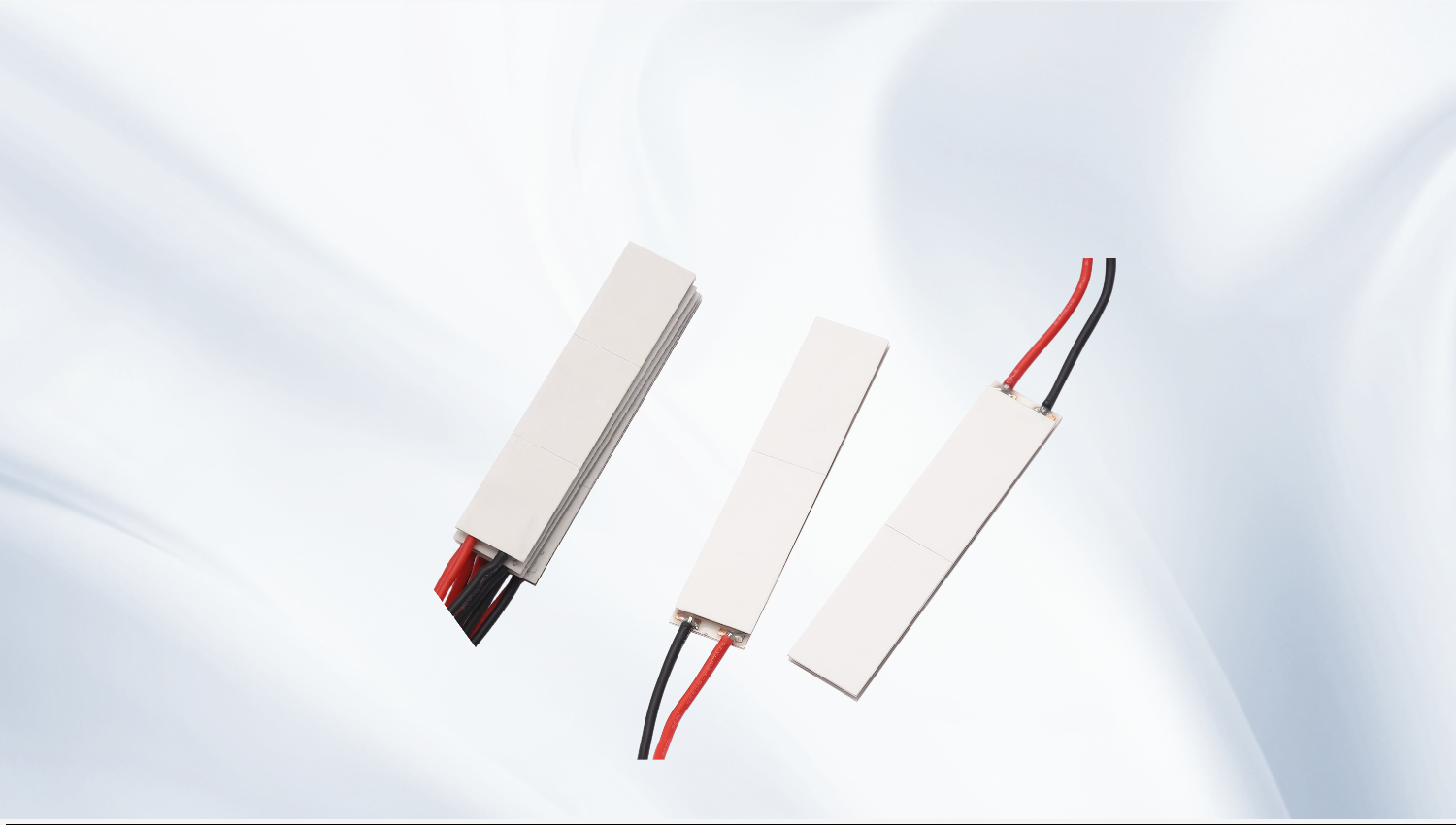
Thermoelectric cooling chips, often referred to as Peltier devices, operate on the principle of the Peltier effect, where an electric current creates a temperature difference between two sides of the chip. Premium versions of these chips are engineered with advanced materials and designs to enhance performance, making them ideal for applications requiring precise thermal management. Unlike traditional cooling methods like fans or liquid systems, thermoelectric chips offer solid-state operation, meaning no moving parts, which translates to higher reliability and quieter performance. This technology has evolved significantly, with premium chips now capable of handling higher heat loads and operating in extreme environments, from consumer electronics to industrial settings.
Key Benefits of Premium Thermoelectric Cooling Chips
The advantages of using premium thermoelectric cooling chips are numerous. First, they provide precise temperature control, allowing for stable cooling or heating within tight tolerances, which is crucial for sensitive components like lasers or medical devices. Second, their compact size and lightweight nature make them easy to integrate into space-constrained designs, such as in portable electronics or automotive systems. Third, premium chips are highly energy-efficient, converting electrical energy directly into cooling without the inefficiencies of compressors or pumps. Additionally, they offer fast response times, enabling rapid adjustments to thermal conditions. For example, in data centers, these chips can quickly cool hotspots on servers, preventing overheating and extending hardware lifespan. By investing in premium quality, users benefit from longer durability and reduced maintenance costs over time.
Applications Across Various Industries
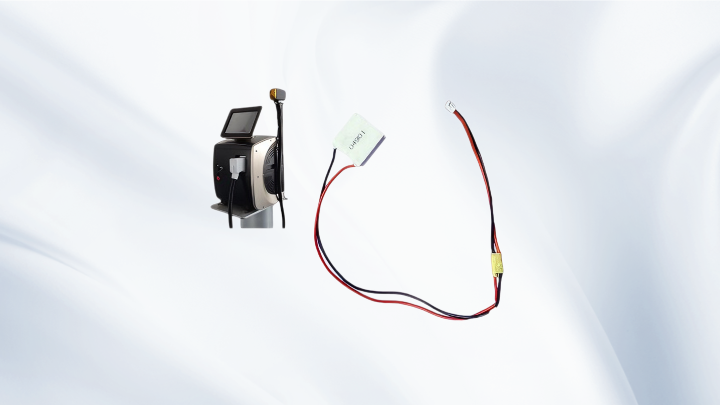
Premium thermoelectric cooling chips find applications in a wide range of industries, demonstrating their versatility. In the electronics sector, they are used to cool CPUs, GPUs, and other high-performance components in computers and gaming consoles, ensuring optimal performance without noise. In the medical field, these chips are essential for temperature-sensitive equipment like PCR machines and blood analyzers, where precise cooling is critical for accurate results. Automotive applications include cooling seats for enhanced comfort and managing battery temperatures in electric vehicles to improve efficiency and safety. Industrial uses involve cooling sensors and optical devices in harsh environments, such as manufacturing plants or outdoor installations. Moreover, in consumer products, they enable features like mini-fridges or wine coolers, offering quiet and efficient cooling solutions. By leveraging premium chips, companies can achieve better product performance and reliability.
Best Practices for Implementation and Maintenance
To maximize the benefits of premium thermoelectric cooling chips, it is important to follow best practices during implementation and maintenance. Start by selecting the right chip for your application, considering factors like cooling capacity, voltage requirements, and environmental conditions. Proper heat sinking is crucial; ensure that the hot side of the chip is effectively dissipated using heatsinks or fans to prevent overheating and maintain efficiency. When integrating the chip, use thermal interface materials to minimize thermal resistance between surfaces. Regular maintenance involves checking for dust accumulation on heatsinks and ensuring electrical connections remain secure. For long-term reliability, avoid exposing the chip to excessive moisture or mechanical stress. In my experience, conducting periodic thermal tests can help identify potential issues early, such as reduced cooling performance, allowing for timely replacements or adjustments. By adhering to these guidelines, users can extend the lifespan of their thermoelectric cooling systems and ensure consistent operation.
Common Questions
What are the main differences between standard and premium thermoelectric cooling chips?
Premium thermoelectric cooling chips typically use higher-quality materials, such as bismuth telluride alloys, and feature improved designs for better thermal conductivity and durability. They often have higher cooling capacities, lower power consumption, and longer lifespans compared to standard chips, making them suitable for demanding applications.
How do I choose the right premium thermoelectric cooling chip for my project?
Consider factors like the required cooling power (in watts), operating temperature range, voltage input, and physical size. Consult datasheets from reputable manufacturers and, if possible, test samples in your specific environment to ensure compatibility and performance.
Can premium thermoelectric cooling chips be used for heating as well?
Yes, by reversing the electrical current, thermoelectric chips can switch from cooling to heating mode, making them versatile for applications that require both functions, such as climate control systems or laboratory equipment.
What are common challenges when using these chips, and how can they be mitigated?
Common challenges include heat dissipation on the hot side, which can be mitigated with effective heatsinks, and condensation in humid environments, which can be addressed by using insulation or dehumidifiers. Regular monitoring and proper installation are key to overcoming these issues.
Related Posts