





Unlocking the Future of Cooling: The Power of Premium Semiconductor Refrigerant Chips
Introduction to Premium Semiconductor Refrigerant Chips
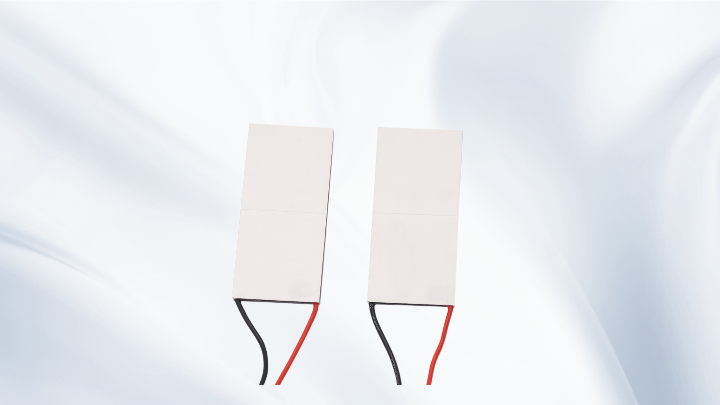
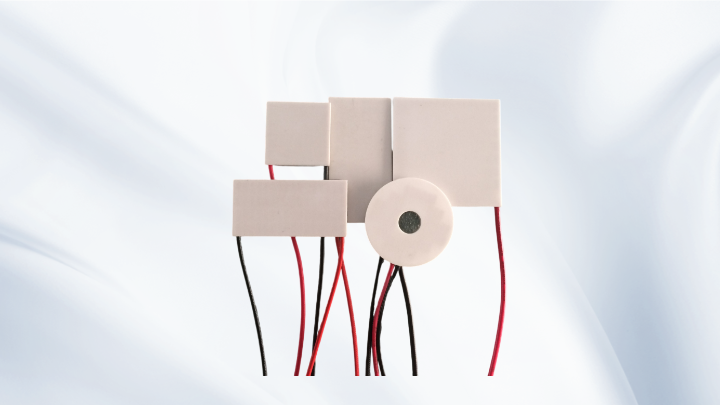
Premium semiconductor refrigerant chips represent a cutting-edge advancement in thermal management technology. These chips leverage the unique properties of semiconductors to control refrigerant flow and temperature with unprecedented accuracy. Unlike traditional cooling methods, which often rely on bulky mechanical components, these chips offer a compact, energy-efficient solution that is ideal for modern applications. By integrating advanced materials and microelectronics, they enable precise cooling in environments where heat dissipation is critical, such as in high-performance computing and electric vehicles. The development of these chips marks a significant step forward in addressing the growing demand for sustainable and reliable cooling systems.
Key Features and Technological Innovations
The core of premium semiconductor refrigerant chips lies in their innovative design and materials. Typically made from high-quality silicon or gallium nitride, these chips feature micro-scale channels that facilitate efficient refrigerant circulation. One of their standout features is adaptive thermal regulation, which allows the chip to adjust cooling intensity based on real-time temperature data. This is achieved through embedded sensors and control algorithms that optimize energy usage. Additionally, these chips often incorporate phase-change materials to enhance heat absorption and release, making them more effective than conventional systems. Their durability and low maintenance requirements further contribute to their appeal in demanding industrial settings.
Applications Across Various Industries
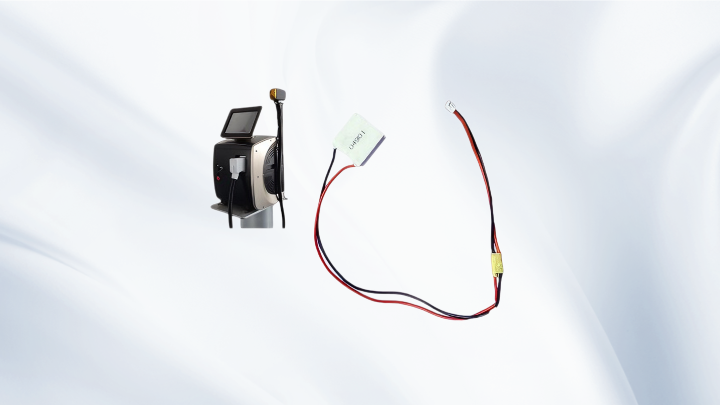
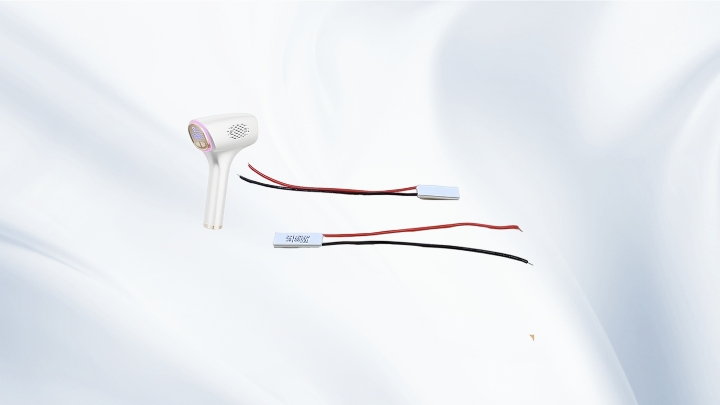
Premium semiconductor refrigerant chips are versatile and find applications in numerous sectors. In the electronics industry, they are used to cool servers and data centers, preventing overheating and ensuring reliable operation. For example, major tech companies have adopted these chips to improve the efficiency of their cloud computing infrastructure. In the automotive sector, they play a crucial role in electric vehicle battery management, helping to maintain optimal temperatures and extend battery life. Other applications include medical devices, where precise temperature control is essential for equipment like MRI machines, and aerospace, where lightweight and reliable cooling systems are vital. The adaptability of these chips makes them a valuable asset in advancing technology across fields.
Benefits and Advantages Over Traditional Systems
Compared to traditional refrigerant systems, premium semiconductor chips offer several significant benefits. First, their energy efficiency is superior, as they consume less power while providing more precise cooling, leading to cost savings and reduced environmental impact. Second, their compact size allows for integration into smaller devices without compromising performance, which is particularly important in portable electronics. Third, they offer enhanced reliability with fewer moving parts, reducing the risk of mechanical failure. From a practical perspective, users can expect lower operational costs and longer system lifespans. For instance, in industrial cooling applications, these chips have been shown to reduce energy consumption by up to 30%, making them a smart investment for businesses focused on sustainability.
Common Questions
What makes premium semiconductor refrigerant chips different from standard cooling chips?
Premium semiconductor refrigerant chips are distinguished by their use of advanced materials and microengineering for precise thermal control, whereas standard chips may rely on simpler, less efficient methods. They often include features like adaptive regulation and phase-change integration.
How do these chips contribute to energy savings?
By optimizing refrigerant flow and reducing power consumption through smart algorithms, these chips minimize energy waste. Their efficiency can lead to significant reductions in electricity usage, especially in large-scale applications like data centers.
Are there any maintenance challenges with these chips?
Due to their solid-state design with minimal moving parts, premium semiconductor refrigerant chips generally require less maintenance than traditional systems. However, regular monitoring of sensors and software updates is recommended to ensure peak performance.
Can these chips be used in consumer electronics?
Yes, they are increasingly being integrated into high-end consumer devices such as gaming consoles and smartphones to manage heat more effectively, enhancing device longevity and user experience.
Related Posts