




Unlocking Thermal Efficiency: The Role of Premium Semiconductor Radiating Fins in Modern Electronics
Understanding Premium Semiconductor Radiating Fins
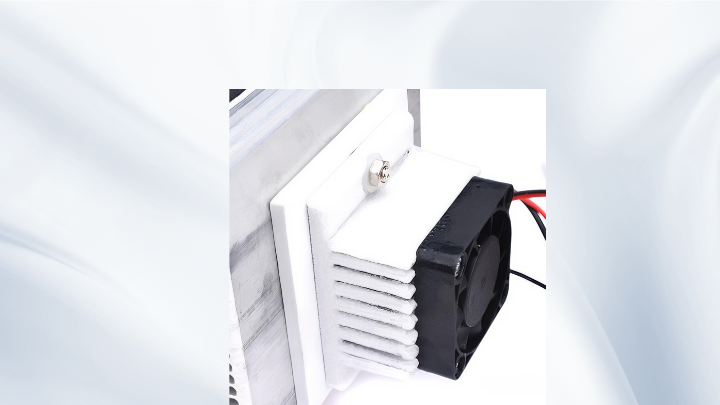
Premium semiconductor radiating fins are specialized heat sinks designed to enhance thermal management in electronic devices. They are typically made from materials like aluminum or copper, which have high thermal conductivity, allowing them to efficiently transfer heat away from sensitive semiconductor components. These fins increase the surface area for heat dissipation, making them essential in applications where overheating can lead to reduced performance or failure. By using advanced manufacturing techniques, such as extrusion or machining, these fins achieve precise geometries that optimize airflow and cooling. In modern electronics, from CPUs to power converters, premium radiating fins help maintain stable temperatures, extending the lifespan of devices and improving overall efficiency. For instance, in high-performance computing, they prevent thermal throttling, ensuring that processors operate at peak speeds without overheating.
Key Design Features and Materials
The effectiveness of premium semiconductor radiating fins depends on several design factors. First, the choice of material is critical; aluminum is lightweight and cost-effective, while copper offers superior thermal conductivity but is heavier and more expensive. Many premium fins use alloys or composite materials to balance these properties. The fin geometry, including height, thickness, and spacing, is optimized to maximize surface area without impeding airflow. Advanced designs may incorporate features like heat pipes or vapor chambers to further enhance heat transfer. Additionally, surface treatments, such as anodizing or plating, can improve corrosion resistance and thermal emissivity. In practical terms, engineers often select fins based on the specific thermal load and space constraints of the device. For example, in compact smartphones, thin and lightweight fins are preferred, whereas in industrial power supplies, larger and more robust fins are used to handle higher heat loads. By tailoring these features, premium radiating fins provide reliable cooling solutions across various industries.
Benefits and Applications in Real-World Scenarios
Premium semiconductor radiating fins offer numerous benefits that make them indispensable in today's electronics. They significantly improve thermal efficiency, reducing the risk of overheating and component failure. This leads to enhanced device reliability, lower maintenance costs, and longer operational lifespans. In applications like electric vehicles, these fins help manage heat in battery packs and motor controllers, ensuring safety and performance. Similarly, in telecommunications equipment, they prevent signal degradation caused by thermal stress. From a practical perspective, using premium fins can also lead to energy savings, as cooler components require less power for cooling systems. Common applications include consumer electronics, automotive systems, renewable energy installations, and medical devices. For instance, in solar inverters, radiating fins dissipate heat from power semiconductors, maintaining efficiency even in harsh environments. By integrating these fins, manufacturers can meet stringent thermal standards and deliver high-quality products that stand up to demanding conditions.
Common Questions About Premium Semiconductor Radiating Fins
What are the main differences between aluminum and copper radiating fins?
Aluminum fins are lightweight, affordable, and suitable for most applications, while copper fins have higher thermal conductivity but are heavier and more expensive. The choice depends on factors like budget, space, and thermal requirements.
How do I select the right radiating fin for my project?
Consider the thermal load, available space, airflow conditions, and material properties. Consulting with a thermal engineer or using simulation tools can help optimize the selection for your specific needs.
Can premium radiating fins be customized for unique applications?
Yes, many manufacturers offer custom designs with tailored geometries, materials, and surface treatments to meet specialized thermal management challenges in industries like aerospace or medical technology.
Related Posts