




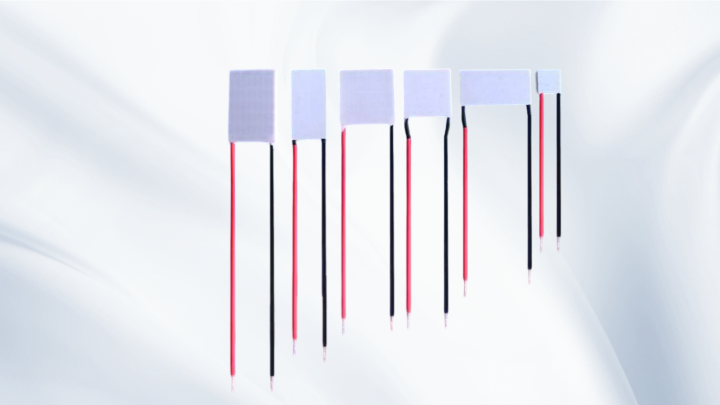
Unlocking Superior Cooling Performance: The Power of Premium High Thermal Conductivity Ceramic Cooling Sheets
What Are Premium High Thermal Conductivity Ceramic Cooling Sheets?
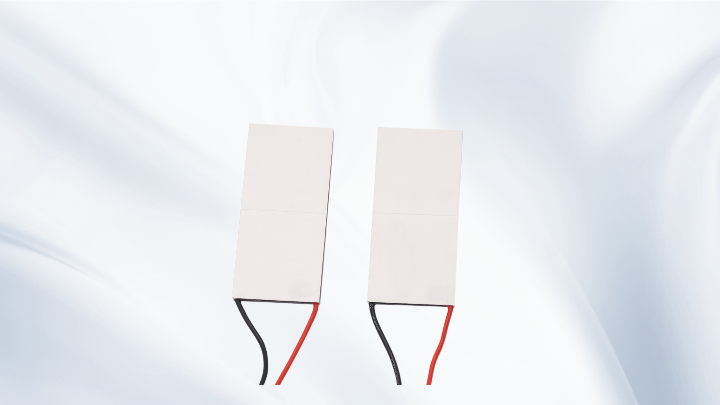
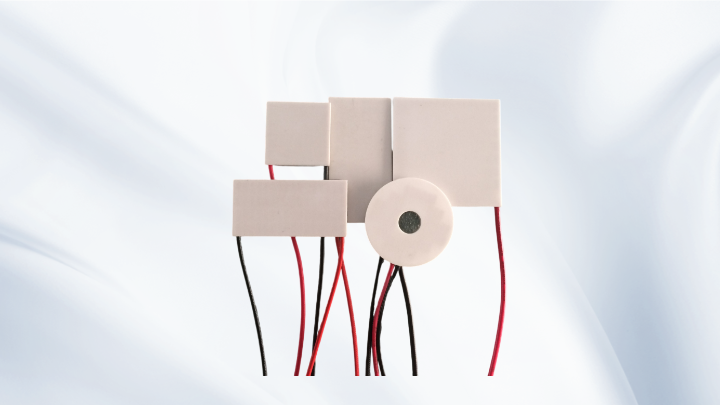
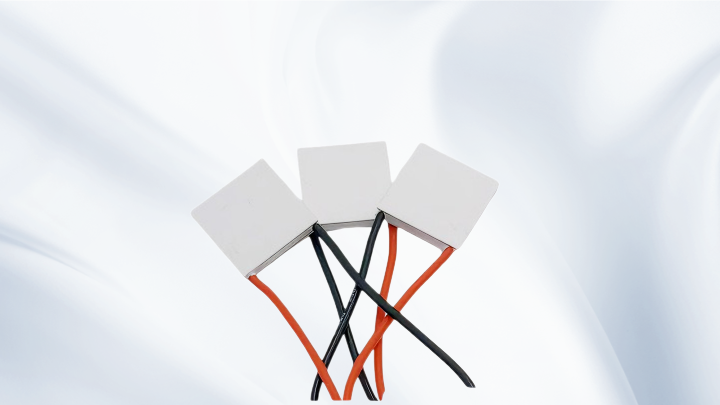
Premium high thermal conductivity ceramic cooling sheets are advanced materials designed to efficiently transfer heat away from electronic components. Unlike traditional metal-based solutions, these sheets are made from ceramics like aluminum nitride (AlN) or beryllium oxide (BeO), which boast thermal conductivities ranging from 150 to 300 W/mK. This makes them ideal for high-power applications where space is limited and heat buildup can lead to performance degradation or failure.
Key Advantages of Using Ceramic Cooling Sheets
One of the primary benefits is their exceptional thermal performance. Ceramics can dissipate heat more effectively than many metals, reducing hotspots and extending component lifespan. Additionally, they offer excellent electrical insulation, preventing short circuits in sensitive electronics. Their durability and resistance to corrosion make them suitable for harsh environments, such as automotive or aerospace systems.
Applications in Modern Technology
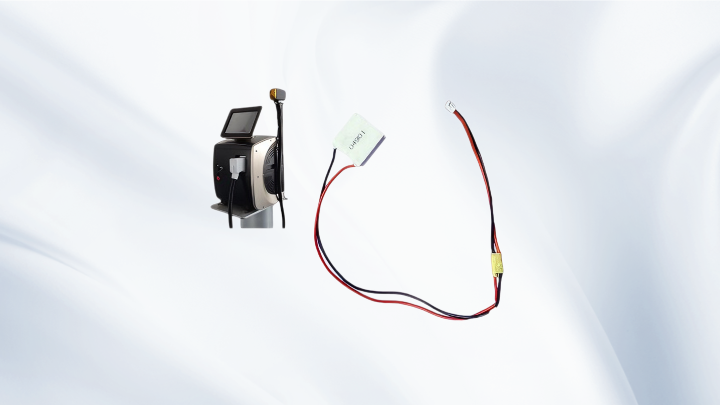
These cooling sheets are widely used in industries like telecommunications, computing, and renewable energy. For instance, in 5G base stations, they help manage heat from power amplifiers, ensuring stable signal transmission. In electric vehicles, they cool battery packs and power electronics, enhancing safety and efficiency. Their versatility also extends to LED lighting and medical devices, where precise temperature control is vital.
Best Practices for Installation and Maintenance
To maximize performance, proper installation is key. Ensure surfaces are clean and flat before applying the sheet, using a thin layer of thermal paste if needed. Avoid over-tightening screws, as this can crack the ceramic. Regular inspections for wear or damage can prevent unexpected failures. For optimal results, consult manufacturer guidelines and consider environmental factors like humidity and vibration.
Common Questions
How do ceramic cooling sheets compare to copper or aluminum heatsinks?Ceramic sheets often provide better thermal conductivity per unit thickness and superior electrical insulation, but they may be more brittle and expensive. Copper and aluminum are more ductile and cost-effective for larger applications, but ceramics excel in compact, high-power scenarios.
Are these sheets safe for use in consumer electronics?Yes, when handled properly. They are non-toxic and stable, but care should be taken during installation to avoid breakage. Always follow safety protocols and use protective gear if cutting or shaping the material.
What factors affect the thermal conductivity of ceramic cooling sheets?Key factors include material purity, manufacturing process, and thickness. Higher-purity ceramics like AlN offer better performance, while improper sintering can reduce conductivity. Thinner sheets may provide faster heat transfer but require careful handling to prevent damage.
Related Posts