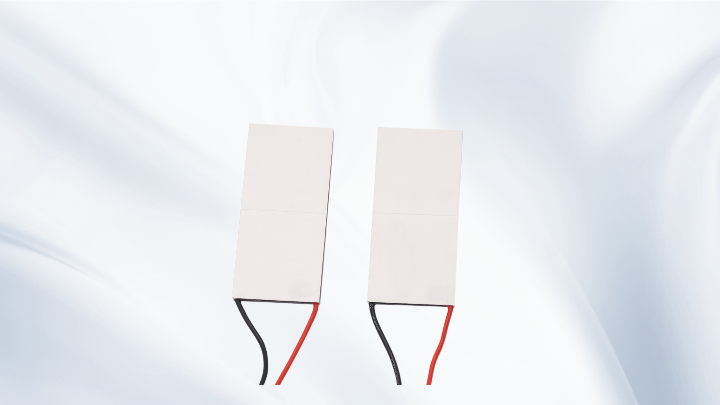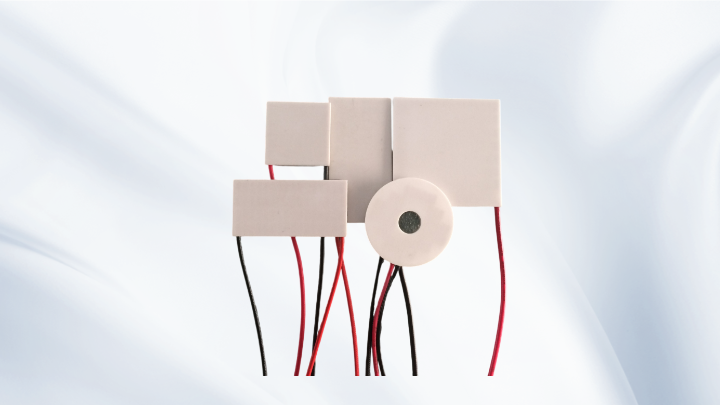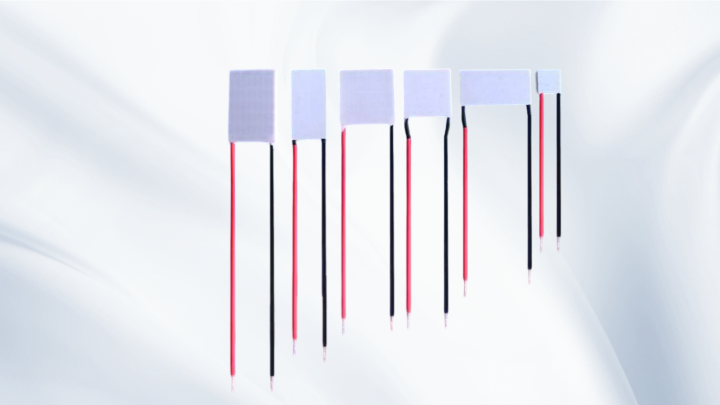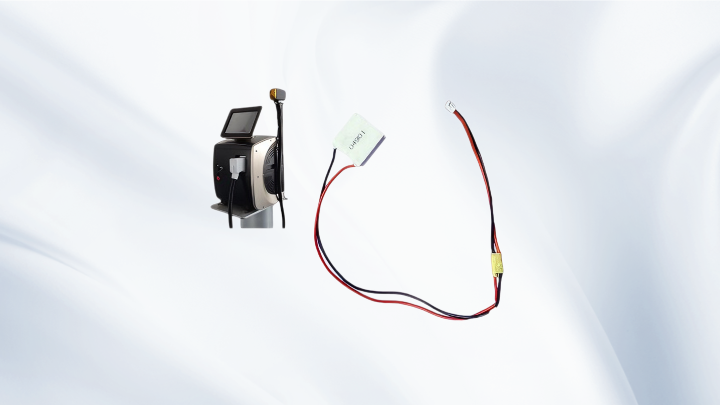





Unlocking Peak Performance: The Essential Guide to Premium Semiconductor Cooling Ribs
Introduction to Premium Semiconductor Cooling Ribs
Premium semiconductor cooling ribs, often referred to as heat sinks, are specialized components designed to manage thermal energy in electronic devices. They work by increasing the surface area for heat dissipation, using materials like aluminum or copper to efficiently transfer heat away from sensitive semiconductors. In today's advanced systems, from servers to gaming consoles, these cooling ribs are essential for preventing overheating, which can lead to reduced performance or permanent damage. By understanding their role, users can make informed decisions to enhance device reliability.
Key Design Features and Materials
The effectiveness of premium cooling ribs hinges on their design and material composition. High-quality models typically feature fin structures that maximize airflow, along with thermal interface materials (TIMs) to ensure proper contact with the semiconductor. Materials like anodized aluminum offer excellent thermal conductivity and corrosion resistance, while copper variants provide even better heat transfer but at a higher cost. Advanced designs may incorporate heat pipes or vapor chambers for more efficient cooling in compact spaces. When selecting a cooling rib, consider factors such as thermal resistance, size compatibility, and environmental conditions to match your specific needs.
Benefits in Real-World Applications
Incorporating premium cooling ribs into electronic systems yields numerous advantages. For instance, in data centers, they help maintain server stability by preventing thermal throttling, thus ensuring uninterrupted operations and energy savings. In consumer electronics like laptops or smartphones, effective cooling extends battery life and enhances user experience by avoiding slowdowns. Moreover, in industrial settings, robust cooling ribs protect machinery from heat-related wear, reducing maintenance costs and downtime. By investing in high-quality solutions, businesses and individuals can achieve better performance, reliability, and cost-efficiency over the long term.
Common Challenges and Solutions
Despite their benefits, users may encounter challenges with cooling ribs, such as improper installation or inadequate airflow. To address this, always follow manufacturer guidelines for mounting and use thermal paste correctly to fill gaps. Another common issue is dust accumulation, which can insulate heat; regular cleaning with compressed air can mitigate this problem. For high-performance systems, consider active cooling methods like fans in conjunction with cooling ribs to boost dissipation. By proactively managing these factors, you can optimize thermal management and avoid common pitfalls.
Future Trends and Innovations
The field of semiconductor cooling is evolving rapidly, with trends pointing towards miniaturization and smart technologies. Emerging innovations include phase-change materials that absorb heat more efficiently and integrated sensors for real-time temperature monitoring. As electronics become more powerful and compact, the demand for advanced cooling ribs will grow, driving research into new materials and designs. Staying informed about these developments can help users adopt cutting-edge solutions to future-proof their systems and stay ahead in a competitive market.
Frequently Asked Questions
What is the difference between a premium cooling rib and a standard one?
Premium cooling ribs typically use higher-grade materials like copper or advanced alloys, feature optimized fin designs for better airflow, and may include additional components like heat pipes. They offer superior thermal performance and durability compared to standard models, making them ideal for high-demand applications.
How do I choose the right cooling rib for my device?
Consider factors such as the thermal output of your semiconductor, available space for installation, and environmental conditions. Check compatibility with your device's form factor and consult manufacturer specifications for thermal resistance ratings to ensure effective cooling.
Can cooling ribs be used in all types of electronics?
Yes, cooling ribs are versatile and can be adapted for various electronics, from small consumer gadgets to large industrial machines. However, the specific design and size should be tailored to the application's thermal requirements and physical constraints.
How often should I maintain my cooling rib?
Regular maintenance, such as cleaning dust every 3-6 months, is recommended to prevent clogging and maintain efficiency. For high-usage systems, more frequent checks may be necessary to ensure optimal performance.
Related Posts