




Unlocking Peak Performance: The Ultimate Guide to Premium Semiconductor Coolers
Understanding Premium Semiconductor Coolers
Premium semiconductor coolers are advanced thermal management devices designed to dissipate heat efficiently from electronic components like CPUs, GPUs, and power semiconductors. Unlike standard coolers, they incorporate high-quality materials such as copper or aluminum alloys, enhanced heat pipes, and sophisticated designs to maximize cooling performance. These coolers are essential in high-performance computing, automotive electronics, and industrial systems where overheating can lead to reduced efficiency or failure.
Key Benefits of Premium Coolers
Investing in a premium semiconductor cooler offers numerous advantages. Firstly, they provide superior heat dissipation, which helps maintain stable operating temperatures and prevents thermal throttling. This can extend the lifespan of your components by reducing wear and tear. Secondly, many premium models feature quiet operation with advanced fan designs or passive cooling options, making them ideal for noise-sensitive environments. Additionally, they often come with better build quality and warranties, ensuring reliability over time.
Types of Premium Semiconductor Coolers
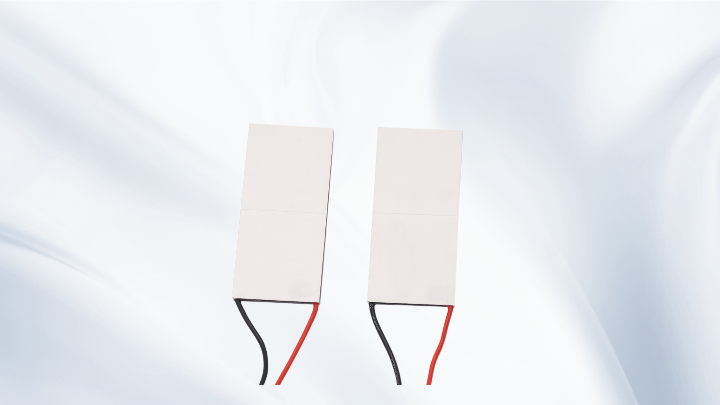
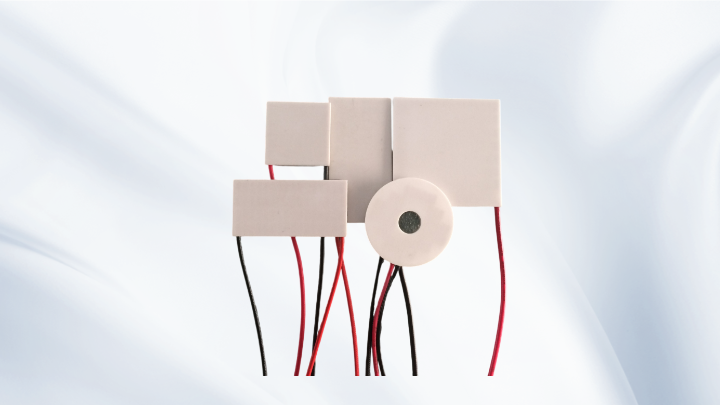
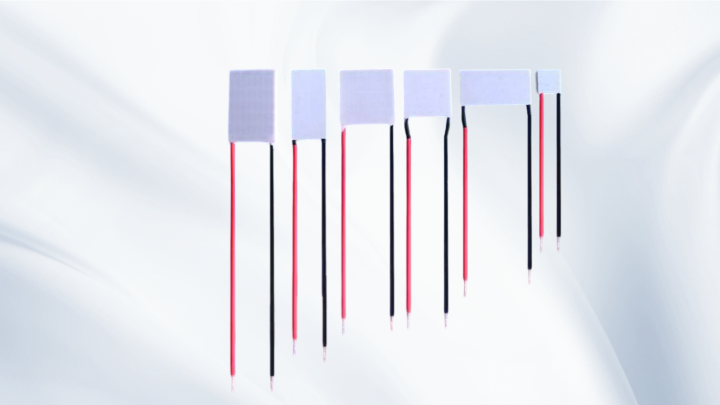
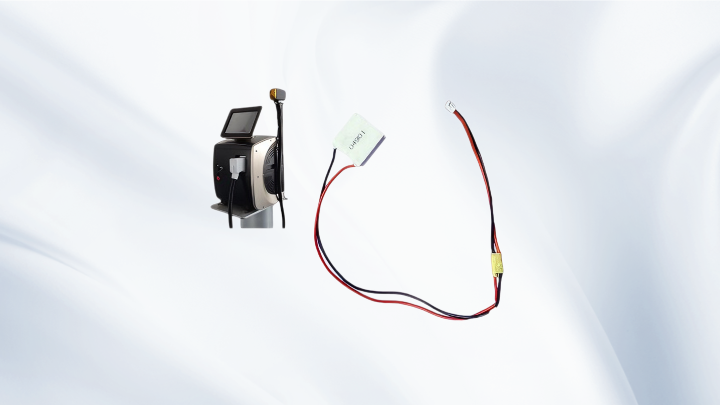
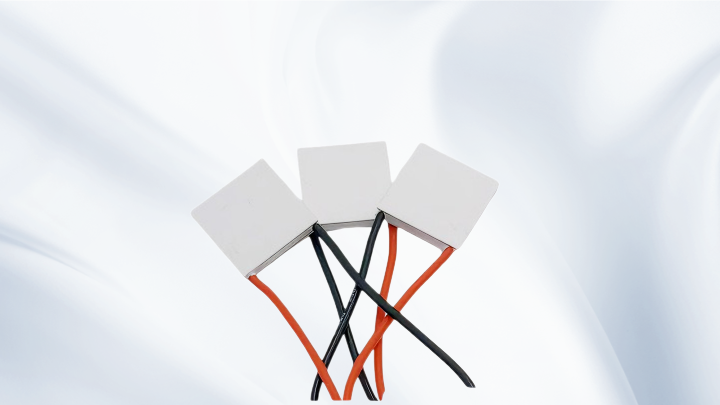
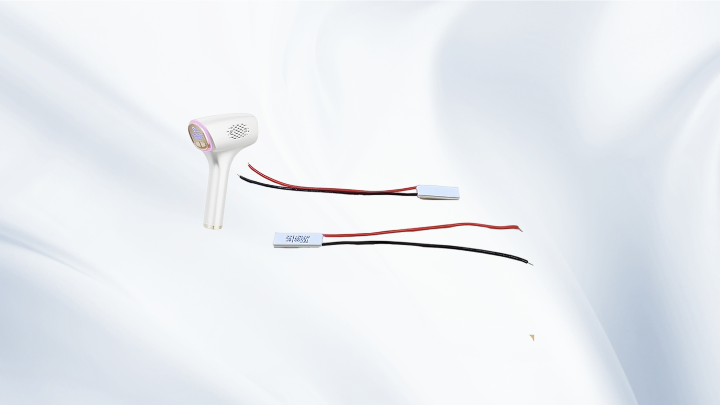
There are several types of premium coolers to consider based on your needs. Air coolers use fans and heatsinks to move heat away, with high-end versions offering multiple heat pipes and large surface areas for efficient cooling. Liquid coolers, on the other hand, utilize a closed-loop system with coolant to transfer heat, providing excellent performance for overclocked systems. For specialized applications, thermoelectric coolers (TECs) use the Peltier effect to actively cool components, though they require more power. Each type has its pros and cons, so it's important to assess factors like budget, space constraints, and cooling requirements.
Choosing the Right Premium Cooler
Selecting the best premium semiconductor cooler involves evaluating several factors. Start by checking compatibility with your specific semiconductor, such as socket types for CPUs or mounting points for GPUs. Consider the cooler's thermal design power (TDP) rating to ensure it can handle your component's heat output. Look for features like easy installation and maintenance, as well as reviews from trusted sources. For example, in gaming PCs, a high-performance liquid cooler might be ideal, while in compact servers, a low-profile air cooler could be more suitable. Always prioritize quality over cost to avoid future issues.
Installation and Maintenance Tips
Proper installation is key to maximizing the effectiveness of your premium cooler. Follow the manufacturer's instructions carefully, ensuring a secure fit and even thermal paste application. Regular maintenance, such as cleaning dust from fans and heatsinks, can prevent clogging and maintain airflow. For liquid coolers, monitor coolant levels and check for leaks periodically. By taking these steps, you can ensure long-term reliability and optimal cooling performance.
Common Questions
What is the difference between a premium and a standard semiconductor cooler?
Premium coolers typically use higher-quality materials, better engineering, and more efficient designs, offering improved cooling performance, quieter operation, and longer durability compared to standard models.
How do I know if I need a premium cooler?
If you're running high-performance applications like gaming, video editing, or overclocking, or if you experience frequent overheating, a premium cooler can help maintain stability and extend component life.
Are premium coolers worth the extra cost?
Yes, for demanding setups, the investment in a premium cooler pays off through better performance, reduced noise, and enhanced reliability, potentially saving money on replacements in the long run.
Related Posts