






Harnessing Waste Heat: The Power and Promise of Reputable Thermoelectric Generator Chips
Understanding Thermoelectric Generator Chips
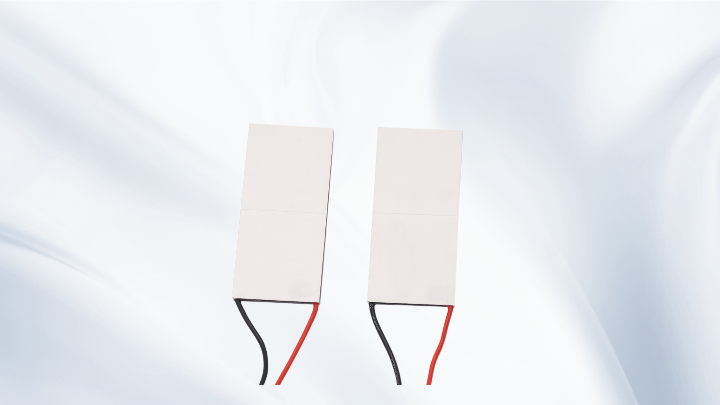
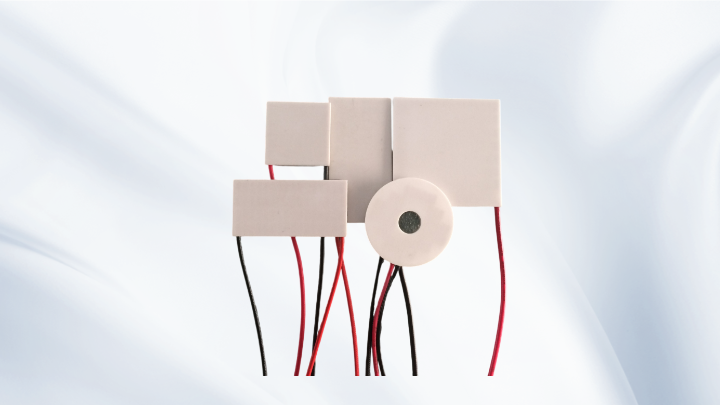
Thermoelectric generator (TEG) chips are solid-state devices that directly convert temperature differences into electrical voltage through the Seebeck effect. A reputable thermoelectric generator chip refers to a high-quality, reliable component manufactured with advanced materials and precise engineering to ensure optimal performance and durability. These chips typically consist of semiconductor materials like bismuth telluride or lead telluride, arranged in pairs to maximize efficiency. The core principle involves creating a thermal gradient across the chip, which generates a flow of electrons, producing electricity without any moving parts. This makes TEG chips ideal for applications where maintenance is challenging or where silent, vibration-free operation is crucial.
Key Features and Benefits
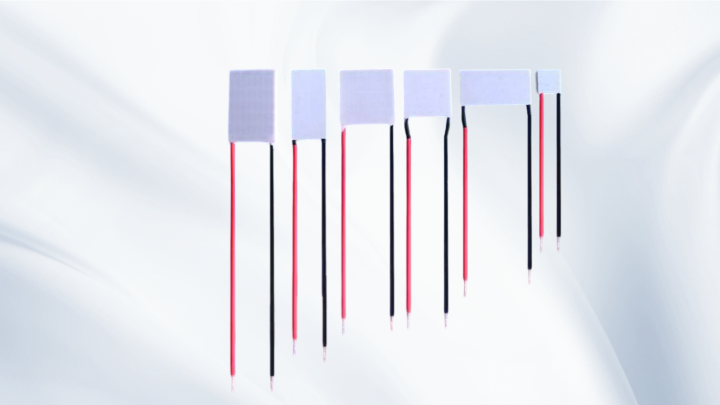
Reputable thermoelectric generator chips offer several advantages that set them apart from lower-quality alternatives. First, they provide high conversion efficiency, often achieving efficiencies of 5-10% in practical scenarios, which is significant for waste heat recovery. Second, they are highly reliable and durable, with lifespans exceeding 10 years in many cases, thanks to robust construction and resistance to wear. Third, these chips are compact and scalable, allowing integration into various systems, from small sensors to industrial equipment. Additionally, they operate silently and require minimal maintenance, reducing operational costs. For instance, in automotive applications, reputable TEG chips can harness exhaust heat to power auxiliary systems, improving fuel efficiency by up to 5%.
Applications Across Industries
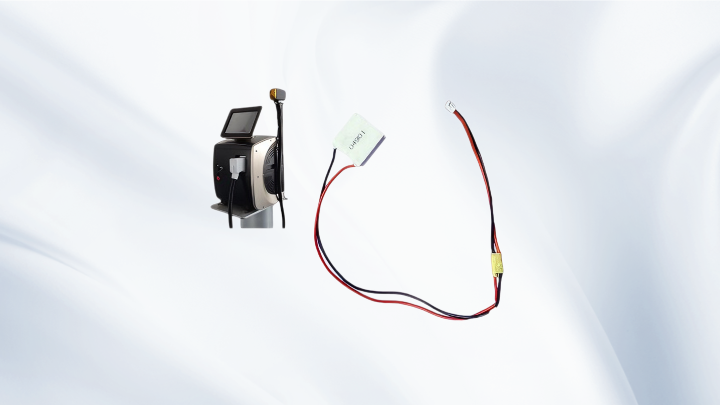
The versatility of reputable thermoelectric generator chips enables their use in diverse sectors. In the automotive industry, they are integrated into exhaust systems to convert waste heat into electricity for batteries or electronic components, enhancing energy efficiency. In aerospace, TEG chips power remote sensors and communication devices in satellites or drones, where solar power may be insufficient. Industrial settings benefit from these chips in machinery and furnaces, where they recover heat to generate supplemental power, reducing energy bills. Consumer electronics, such as wearable devices, use small TEG chips to harness body heat for charging, offering a sustainable alternative to batteries. A notable example is in medical implants, where reputable chips provide long-term power without invasive replacements.
Challenges and Future Developments
Despite their potential, reputable thermoelectric generator chips face challenges that researchers are actively addressing. One major issue is material cost and scarcity, as high-performance materials like tellurium are expensive and limited in supply. Efforts are underway to develop cheaper, more abundant alternatives, such as skutterudites or organic polymers. Another challenge is improving efficiency beyond current limits; advancements in nanotechnology and material science aim to enhance the figure of merit (ZT value) of these chips. Looking ahead, the future of TEG chips includes integration with IoT devices for smart energy management and expansion into renewable energy systems, like solar-thermal hybrids. By 2030, the global market for thermoelectric generators is projected to grow significantly, driven by sustainability trends.
How to Choose a Reputable Thermoelectric Generator Chip
Selecting the right thermoelectric generator chip requires careful consideration of several factors. First, evaluate the efficiency rating, typically measured by the ZT value; a higher ZT indicates better performance. Second, check the manufacturer's reputation and certifications, such as ISO standards, to ensure quality and reliability. Third, consider the operating temperature range and compatibility with your application; for example, high-temperature industrial uses may require chips with specialized coatings. Fourth, assess the cost-effectiveness, balancing upfront price with long-term energy savings. It's also advisable to consult with experts or read reviews from trusted sources. In my experience, partnering with established suppliers who offer warranties and technical support can prevent issues like premature failure or inefficiency.
Common Questions
What is the typical lifespan of a reputable thermoelectric generator chip?
Reputable thermoelectric generator chips can last over 10 years under normal operating conditions, thanks to their solid-state design and high-quality materials. Regular maintenance, such as keeping the surfaces clean to ensure optimal heat transfer, can extend their lifespan further.
How much electricity can a thermoelectric generator chip produce?
The electricity output depends on the temperature difference and chip size; for example, a small chip might generate a few milliwatts, suitable for sensors, while larger arrays in industrial settings can produce several watts. Efficiency improvements are continuously boosting these outputs.
Are thermoelectric generator chips environmentally friendly?
Yes, they are environmentally friendly as they convert waste heat into electricity, reducing reliance on fossil fuels and lowering carbon emissions. However, the production of some materials may have environmental impacts, so choosing chips made with sustainable practices is recommended.
Can thermoelectric generator chips work in cold environments?
Yes, they can operate in cold environments as long as there is a temperature gradient; for instance, they are used in polar research stations to harness differences between indoor heat and outdoor cold. Insulation and proper design are key to maintaining performance in extreme conditions.
Related Posts