




Unlocking Cooling Efficiency: A Guide to Reputable Semiconductor Refrigeration Sheets
Understanding Semiconductor Refrigeration Sheets
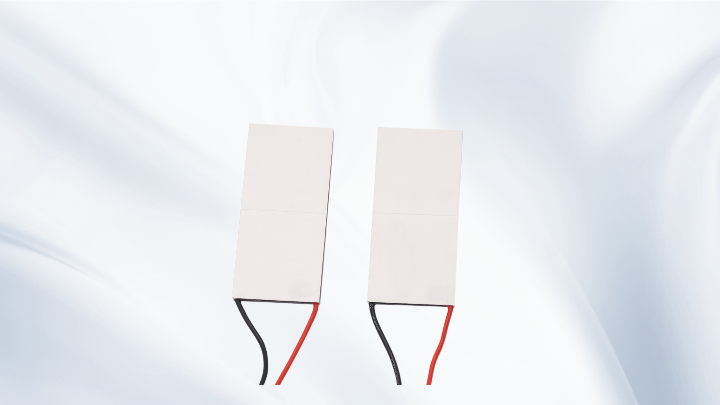
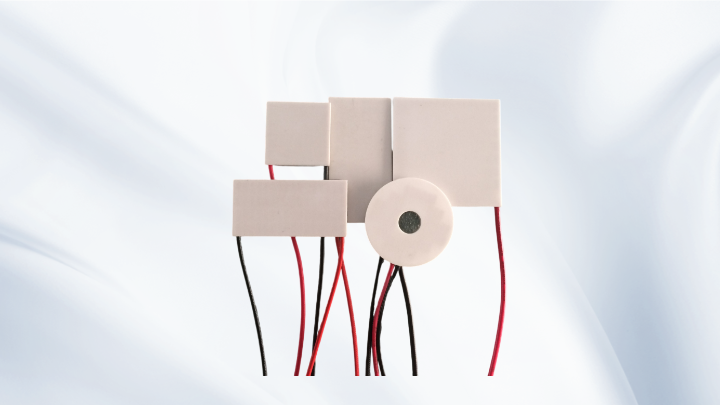
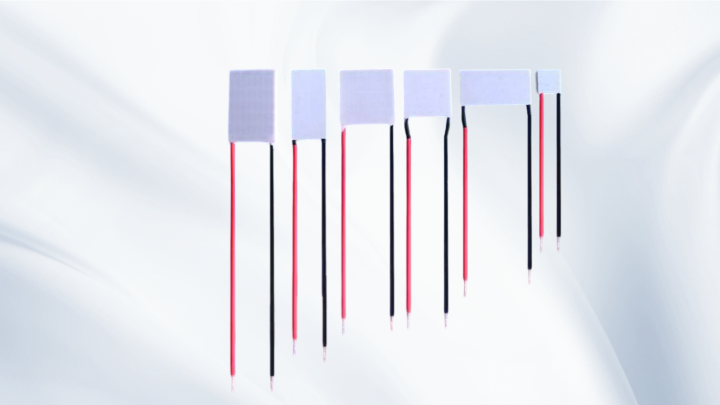
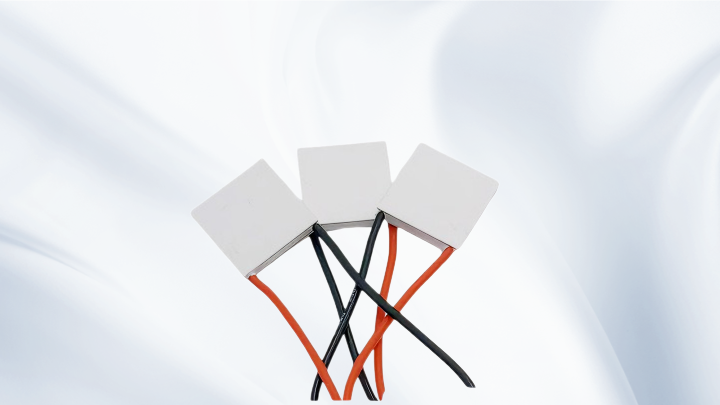
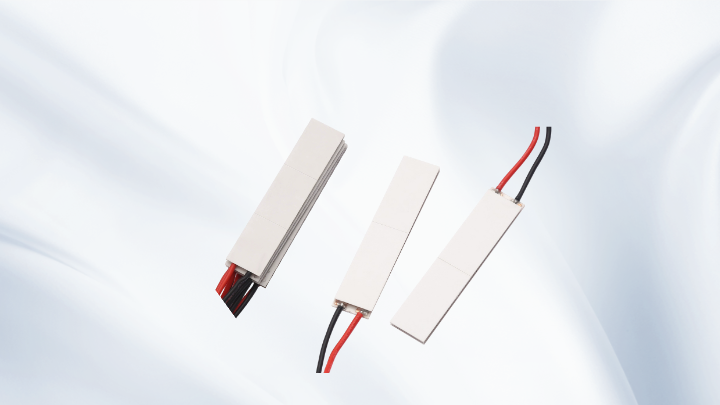
Semiconductor refrigeration sheets, also known as thermoelectric coolers, are devices that use the Peltier effect to transfer heat from one side to another when an electric current is applied. Reputable semiconductor refrigeration sheets are distinguished by their high-quality materials, consistent performance, and adherence to industry standards. These sheets are commonly made from bismuth telluride alloys, which offer excellent thermoelectric properties. Unlike traditional cooling methods, such as compressors, they provide solid-state cooling with no moving parts, reducing maintenance needs and enhancing durability. This makes them ideal for applications where space is limited or where precise temperature control is critical, such as in medical devices or laboratory equipment.
Key Features and Benefits
When selecting a semiconductor refrigeration sheet, it's essential to consider features that ensure reliability. High thermal conductivity and low electrical resistance are crucial for efficient heat transfer and energy savings. Reputable manufacturers often use advanced fabrication techniques to minimize thermal stress and improve longevity. Additionally, these sheets typically come with certifications, such as ISO 9001, which guarantee quality control and consistency. Benefits include quiet operation, as there are no fans or compressors, and the ability to cool below ambient temperatures quickly. For instance, in consumer electronics like mini-fridges or CPU coolers, they can maintain stable temperatures without noise disruptions, enhancing user experience. Moreover, their compact size allows for integration into tight spaces, making them versatile for various industries.
Applications in Modern Technology
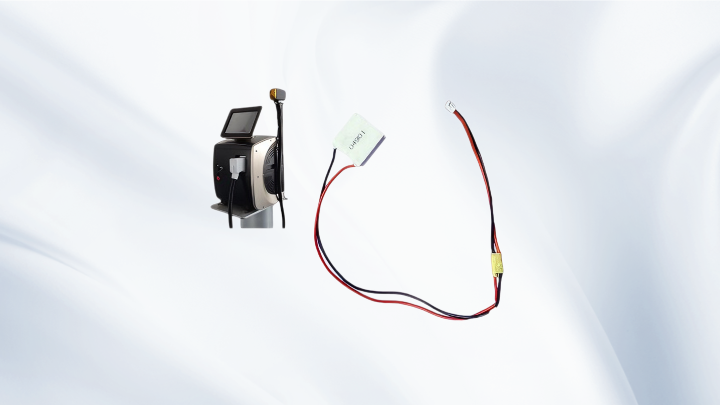
Reputable semiconductor refrigeration sheets find applications across multiple sectors due to their versatility. In the medical field, they are used in devices like PCR machines and blood analyzers, where precise temperature regulation is vital for accurate results. In the automotive industry, they help cool electronic components in electric vehicles, improving battery life and safety. Consumer electronics, such as gaming consoles and smartphones, utilize these sheets to prevent overheating and extend device lifespan. For example, a high-end laptop might incorporate a semiconductor refrigeration sheet to manage heat from the processor, ensuring smooth performance during intensive tasks. In industrial settings, they are employed in laser systems and optical instruments to maintain stable operating conditions. By choosing reputable products, users can avoid common issues like thermal runaway or premature failure, ensuring long-term reliability.
Best Practices for Selection and Use
To maximize the benefits of semiconductor refrigeration sheets, follow these practical tips. First, assess your cooling requirements, including temperature range, heat load, and power consumption. Reputable suppliers often provide datasheets with detailed specifications, so compare options based on metrics like coefficient of performance (COP) and maximum temperature difference. Ensure proper installation by using thermal paste or pads to enhance heat transfer between the sheet and the heat sink. Avoid overloading the device with excessive current, as this can lead to overheating and reduced efficiency. Regular maintenance, such as cleaning dust from heat sinks, can prevent performance degradation. For instance, in a DIY cooling project, I once used a reputable semiconductor refrigeration sheet to build a portable cooler; by carefully matching it to a suitable power supply and heat sink, it maintained a consistent temperature for hours without issues. Always source from trusted vendors to avoid counterfeit products that may not meet safety standards.
Common Questions
How do I choose the right semiconductor refrigeration sheet for my application?
Consider factors like cooling capacity, voltage requirements, and size. Reputable manufacturers offer customization options and technical support to help match sheets to specific needs, such as cooling a small electronic enclosure or a large industrial machine.
What are the common challenges when using these sheets?
Issues can include thermal inefficiency if not properly paired with heat sinks, or power supply mismatches leading to poor performance. Using high-quality thermal interface materials and following manufacturer guidelines can mitigate these problems.
Are semiconductor refrigeration sheets environmentally friendly?
Yes, they are generally more eco-friendly than refrigerant-based systems, as they use solid-state technology without harmful chemicals. However, energy efficiency varies, so selecting reputable sheets with high COP ratings can reduce environmental impact.
Related Posts