





The Future of Cooling Technology: How Reputable Semiconductor Refrigerant Chips Are Revolutionizing Electronics
Understanding Reputable Semiconductor Refrigerant Chips
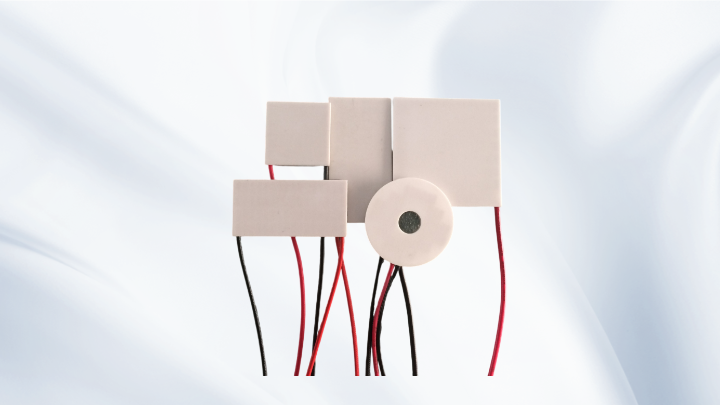
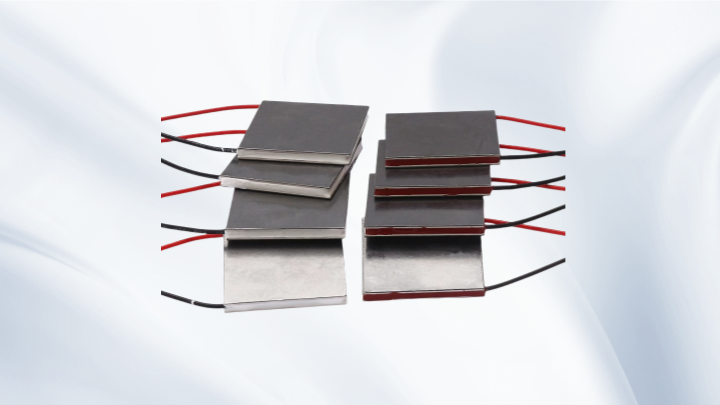
Reputable semiconductor refrigerant chips are advanced cooling components that utilize semiconductor materials to manage heat in electronic systems. Unlike traditional methods such as fans or liquid cooling, these chips operate on the Peltier effect, where an electric current creates a temperature difference across two different conductors. This allows for precise, localized cooling without moving parts, making them ideal for compact and high-performance devices. The term "reputable" emphasizes the importance of sourcing these chips from trusted manufacturers to ensure reliability, safety, and compliance with industry standards. As electronics become more powerful and miniaturized, the demand for efficient thermal management has surged, positioning these chips as a key solution in modern technology.
Key Benefits and Advantages
The adoption of reputable semiconductor refrigerant chips offers numerous advantages. First, they provide high precision cooling, enabling targeted temperature control that prevents overheating in sensitive components like CPUs and GPUs. This enhances device longevity and performance, reducing the risk of thermal throttling. Second, these chips are energy-efficient, as they consume less power compared to conventional cooling systems, contributing to lower operational costs and environmental impact. Third, their compact and silent operation makes them suitable for applications where noise and space are constraints, such as in medical devices or consumer electronics. Additionally, reputable chips ensure consistent quality, with manufacturers adhering to strict testing protocols to prevent failures and ensure safety in critical applications.
Practical Applications Across Industries
Reputable semiconductor refrigerant chips are versatile and find use in various sectors. In the consumer electronics industry, they are integrated into smartphones, laptops, and gaming consoles to maintain optimal temperatures during intensive use. For example, high-end smartphones often incorporate these chips to prevent battery degradation and improve processing speeds. In data centers, they help manage heat in servers, reducing the need for extensive air conditioning and lowering energy bills. The automotive sector benefits from these chips in electric vehicles, where they cool battery packs and onboard electronics to enhance efficiency and safety. Moreover, in medical equipment, such as MRI machines or portable diagnostic devices, precise temperature control is crucial for accuracy and patient safety, making reputable chips a reliable choice.
Common Questions
What makes a semiconductor refrigerant chip "reputable"?
A reputable semiconductor refrigerant chip is one manufactured by a trusted company with a proven track record of quality, safety, and compliance. This includes adherence to industry standards like ISO certifications, rigorous testing for durability and performance, and positive customer reviews. Choosing reputable chips reduces the risk of defects and ensures long-term reliability in applications.
How do these chips compare to traditional cooling methods?
Compared to fans or liquid cooling, semiconductor refrigerant chips offer advantages such as no moving parts (reducing noise and maintenance), precise temperature control, and compact size. However, they may have higher initial costs and require careful integration to avoid issues like condensation. Traditional methods are often better for high-heat loads, while these chips excel in targeted cooling scenarios.
Are there any limitations or challenges with using these chips?
Yes, some limitations include potential inefficiency at very high temperatures, as they rely on the Peltier effect which can be less effective in extreme conditions. Additionally, improper installation can lead to thermal imbalances or condensation, damaging electronics. It's essential to follow manufacturer guidelines and consider environmental factors when deploying these chips.
What should I look for when selecting a reputable chip?
When selecting a chip, consider factors like the manufacturer's reputation, certifications (e.g., RoHS, CE), thermal performance specifications, and compatibility with your device. Reading reviews and consulting with experts can help ensure you choose a chip that meets your specific needs for cooling efficiency and reliability.
Related Posts