




Unlocking Superior Cooling Performance: The Power of Reputable High Thermal Conductivity Ceramic Cooling Sheets
Introduction to Ceramic Cooling Sheets
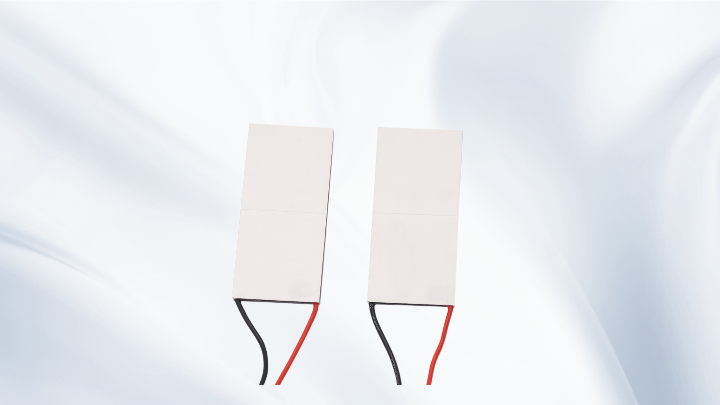
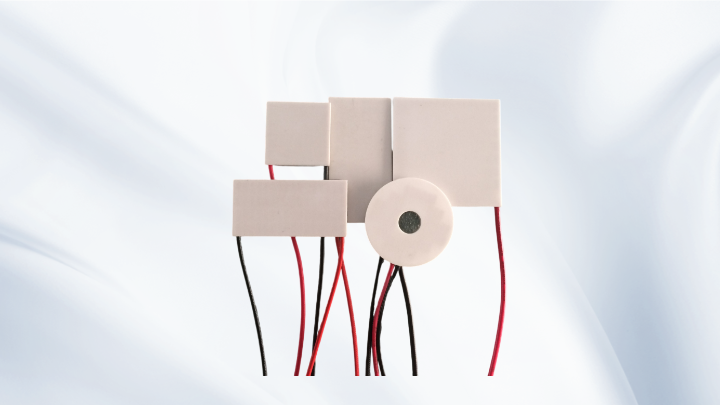
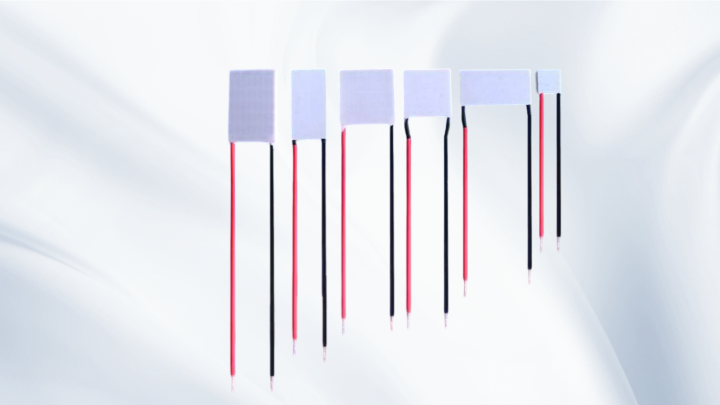
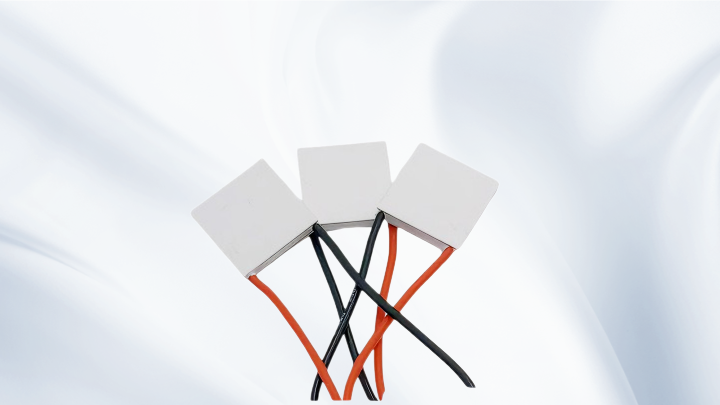
Ceramic cooling sheets are specialized materials designed to transfer heat away from electronic components, preventing overheating and ensuring optimal operation. Unlike traditional metal-based solutions, these sheets leverage ceramics like aluminum nitride (AlN) or beryllium oxide (BeO), which provide exceptional thermal conductivity while maintaining electrical insulation. This makes them ideal for applications where both heat management and safety are paramount.
Why Reputability Matters in Thermal Management
When selecting cooling sheets, reputation is not just a marketing term—it's a guarantee of quality and reliability. Reputable manufacturers adhere to strict standards, ensuring consistent performance, durability, and safety. For instance, in high-stakes industries like aerospace or medical devices, using trusted ceramic cooling sheets can prevent costly failures and enhance product lifespan. Always verify certifications and customer reviews to avoid subpar products that may compromise your system's integrity.
Key Features of High Thermal Conductivity Ceramics
High thermal conductivity is the standout feature of these ceramic sheets, often exceeding 170 W/mK for materials like AlN. This allows for rapid heat dissipation, reducing hotspots and improving efficiency. Additionally, ceramics offer excellent mechanical strength and resistance to corrosion, making them suitable for harsh environments. Compared to polymers or metals, they provide a balanced combination of thermal and electrical properties, which is crucial for modern compact electronics.
Practical Applications and Benefits
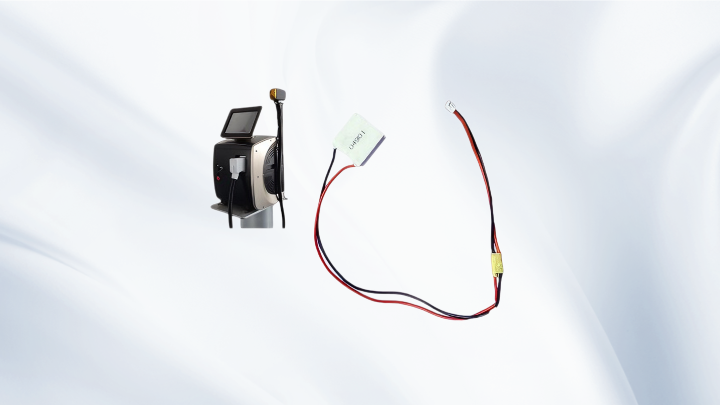
From consumer electronics to industrial equipment, ceramic cooling sheets are versatile. In smartphones, they help manage heat from processors, enhancing battery life and performance. In electric vehicles, they cool power modules, ensuring safety and reliability. The benefits include reduced thermal resistance, extended component life, and energy savings. Based on real-world experience, integrating these sheets early in design can prevent overheating issues and reduce maintenance costs.
How to Choose the Right Ceramic Cooling Sheet
Selecting the appropriate sheet involves considering factors like thermal conductivity, thickness, and application requirements. For high-power devices, opt for sheets with higher conductivity ratings. Ensure compatibility with your assembly process, as some ceramics may require special handling. It's advisable to consult with reputable suppliers who can provide technical support and customization options, ensuring a perfect fit for your needs.
Common Questions
What makes ceramic cooling sheets better than metal ones?
Ceramic sheets offer superior electrical insulation alongside high thermal conductivity, reducing the risk of short circuits, whereas metals can conduct electricity and may require additional insulation layers.
How do I ensure I'm buying a reputable product?
Look for certifications like ISO standards, check manufacturer track records, and read customer testimonials to verify quality and performance claims.
Can ceramic cooling sheets be used in outdoor environments?
Yes, many ceramics are resistant to moisture and UV exposure, making them suitable for outdoor applications, but always confirm specific material properties with the supplier.
What is the typical lifespan of these sheets?
With proper installation and within specified operating conditions, reputable ceramic cooling sheets can last for years without degradation, often matching the lifespan of the devices they cool.
Related Posts