




The Essential Guide to Reputable Semiconductor Cooling Plates: Ensuring Optimal Performance and Reliability
Understanding Semiconductor Cooling Plates
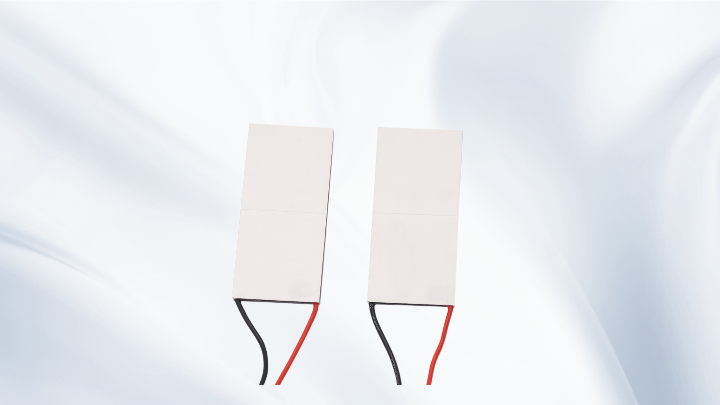
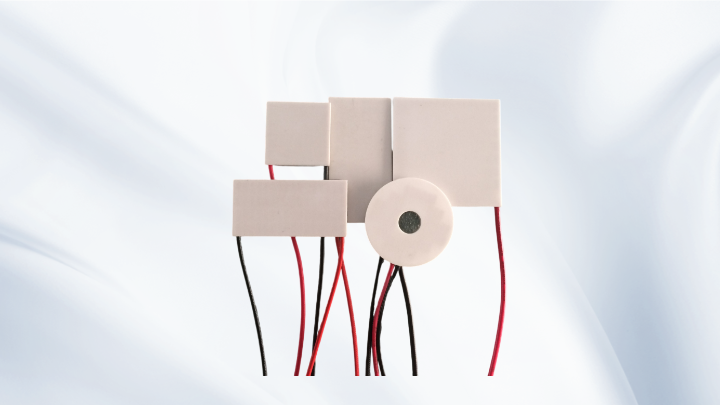
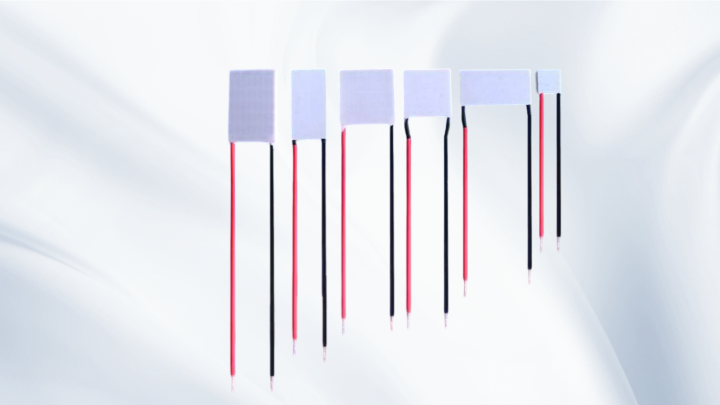
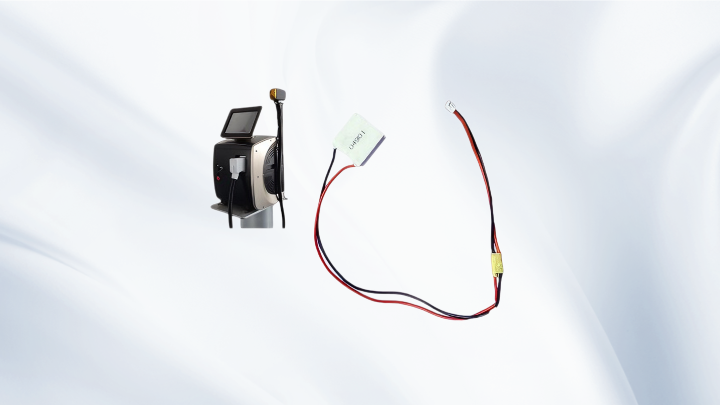
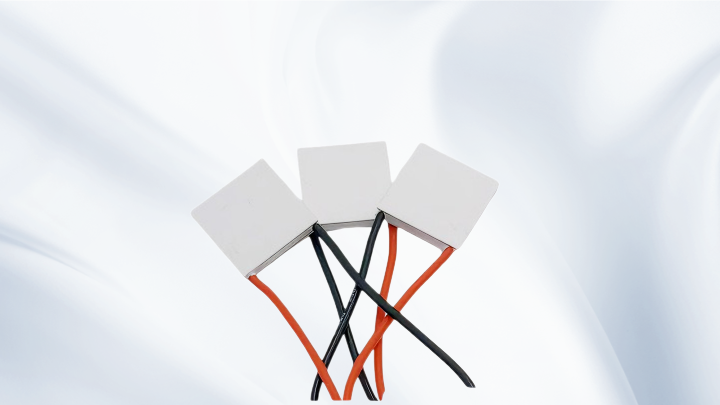
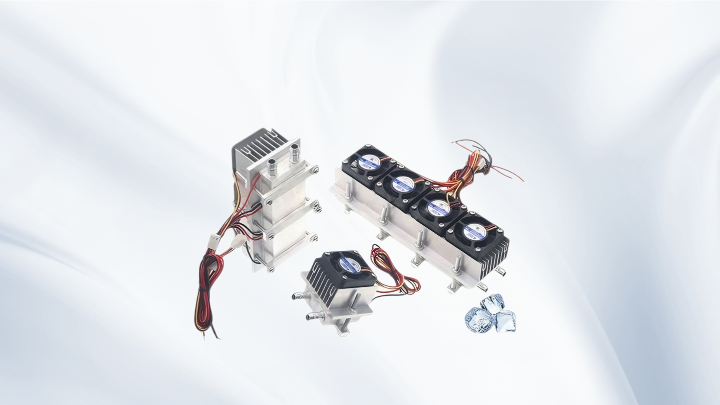
Semiconductor cooling plates are specialized components designed to manage heat generated by electronic devices, such as CPUs, GPUs, and power modules. They work by transferring heat away from the semiconductor surface to a cooler environment, often using materials like copper or aluminum for high thermal conductivity. Reputable cooling plates are manufactured with precision to ensure consistent performance, reducing the risk of thermal throttling and component failure. In industries like computing, automotive, and telecommunications, these plates are essential for maintaining operational efficiency and extending device lifespan.
Key Features of High-Quality Cooling Plates
When selecting a semiconductor cooling plate, several factors determine its effectiveness. First, material choice is crucial; copper offers superior thermal conductivity but can be heavier and more expensive, while aluminum is lighter and cost-effective. Reputable manufacturers often use advanced alloys or composite materials to balance these properties. Second, design aspects such as fin density, surface area, and contact interface play a significant role in heat dissipation. For example, plates with micro-fins or vapor chambers can enhance cooling efficiency in compact spaces. Third, durability and corrosion resistance are vital, especially in harsh environments like industrial settings or outdoor installations. Always look for plates that undergo rigorous testing, such as thermal cycling and pressure tests, to ensure reliability over time.
Applications and Benefits in Real-World Scenarios
Semiconductor cooling plates are widely used across various sectors. In data centers, they help manage heat from servers, preventing downtime and energy waste. In electric vehicles, they cool power electronics, improving battery life and safety. Using reputable cooling plates can lead to tangible benefits, such as reduced energy consumption, lower maintenance costs, and enhanced system performance. For instance, a well-designed cooling plate in a gaming PC can allow for higher overclocking without overheating, providing a smoother user experience. Additionally, in medical devices, reliable thermal management ensures accurate readings and patient safety, highlighting the importance of quality in critical applications.
Best Practices for Selection and Installation
To maximize the effectiveness of semiconductor cooling plates, follow these practical tips. Start by assessing your specific thermal requirements, including heat load, ambient temperature, and space constraints. Consult datasheets from reputable suppliers to compare specifications like thermal resistance and maximum operating temperature. During installation, ensure proper contact between the plate and the semiconductor surface; using thermal interface materials (TIMs) like thermal paste or pads can fill gaps and improve heat transfer. Regular maintenance, such as cleaning dust from fins, is also essential to prevent clogging and maintain efficiency. Avoid common pitfalls, such as choosing plates based solely on price, as lower-quality options may lead to premature failure and higher long-term costs.
Common Questions
What are the main differences between copper and aluminum cooling plates?
Copper cooling plates generally have higher thermal conductivity, making them more efficient at heat transfer, but they are heavier and more expensive. Aluminum plates are lighter and cheaper, with adequate performance for many applications. The choice depends on factors like budget, weight constraints, and specific cooling needs.
How do I know if a cooling plate is reputable?
Look for certifications, such as ISO standards, and check for reviews or testimonials from other users. Reputable manufacturers often provide detailed technical data and warranties. Additionally, consider brands with a proven track record in the industry, as they are more likely to use quality materials and rigorous testing processes.
Can cooling plates be used in outdoor environments?
Yes, but it's important to select plates designed for harsh conditions. Look for features like corrosion-resistant coatings or sealed designs to protect against moisture and dust. Always verify the operating temperature range and ensure proper ventilation to prevent overheating in extreme weather.
Related Posts