





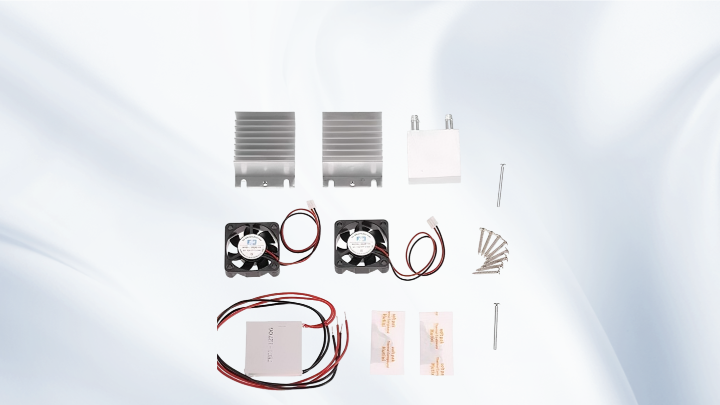
Harnessing the Future: How Industry-Leading Thermoelectric Generator Chips Are Revolutionizing Energy Solutions
Understanding Thermoelectric Generator Chips
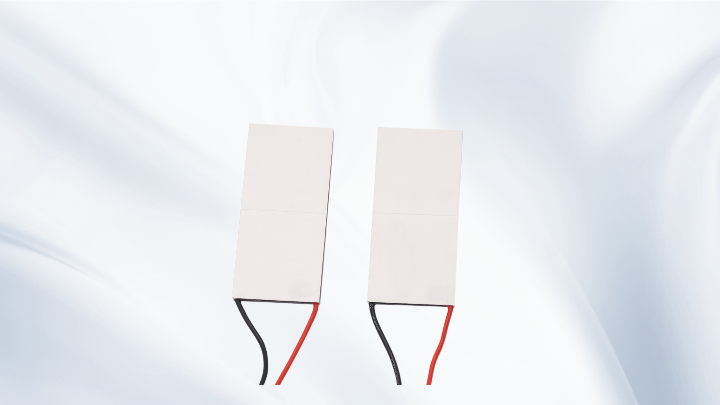
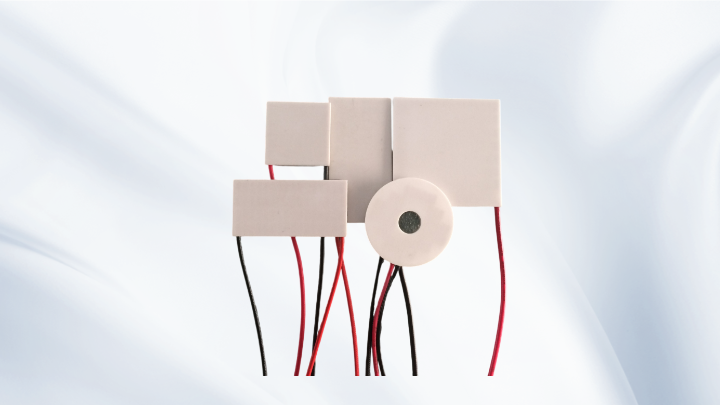
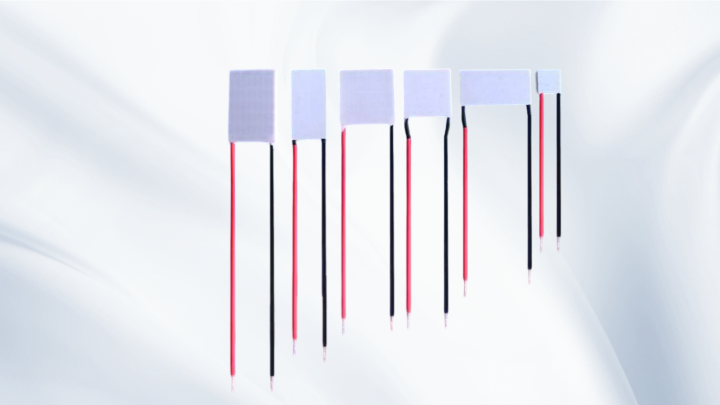
At their core, thermoelectric generator chips are semiconductor devices that leverage the Seebeck effect to generate electrical power from temperature differences. When one side of the chip is heated and the other cooled, a voltage is produced, enabling the conversion of thermal energy into electricity without moving parts. This makes them highly durable and low-maintenance, ideal for environments where traditional generators might fail. Industry-leading versions of these chips incorporate advanced materials like bismuth telluride and skutterudites, which enhance efficiency by optimizing thermal conductivity and electrical properties. By minimizing energy loss, these chips can achieve conversion efficiencies of over 10%, a significant improvement from earlier models, making them a cornerstone in the push toward greener energy technologies.
Key Applications and Real-World Impact
Industry-leading thermoelectric generator chips are finding applications across diverse sectors, from automotive to aerospace and consumer electronics. In the automotive industry, for example, they are integrated into exhaust systems to capture waste heat from engines, converting it into electricity to power auxiliary systems and reduce fuel consumption. This not only boosts vehicle efficiency but also lowers emissions, aligning with global sustainability goals. In remote or harsh environments, such as space missions or industrial monitoring, these chips provide a reliable power source where solar panels or batteries might be impractical. For instance, in deep-space probes, they use radioactive decay heat to generate electricity for decades, ensuring long-term operation. Additionally, in wearable technology, they can harness body heat to charge small devices, offering a convenient and eco-friendly alternative to traditional charging methods. By addressing energy challenges in these areas, thermoelectric generator chips are driving innovation and reducing reliance on fossil fuels.
Advantages Over Conventional Energy Sources
Compared to traditional power generation methods, industry-leading thermoelectric generator chips offer several distinct advantages. Their solid-state design means no moving parts, resulting in minimal wear and tear and a longer lifespan with reduced maintenance costs. They operate silently and without emissions, making them environmentally friendly and suitable for noise-sensitive or clean-air applications. Moreover, their scalability allows them to be used in both small-scale devices, like sensors, and large-scale industrial setups, providing flexibility in deployment. While initial costs can be higher due to advanced materials, the long-term savings from reduced energy waste and lower operational expenses often justify the investment. For businesses and consumers alike, this translates to improved energy efficiency and a smaller carbon footprint, contributing to a more sustainable future.
Challenges and Future Developments
Despite their benefits, industry-leading thermoelectric generator chips face challenges that researchers are actively addressing. One major hurdle is improving cost-effectiveness, as high-performance materials can be expensive to produce. Efforts are underway to develop cheaper alternatives, such as organic thermoelectrics, without compromising efficiency. Another challenge is enhancing thermal management to prevent overheating and ensure stable performance in varying conditions. Innovations in nanotechnology and material science are paving the way for chips with higher temperature tolerances and better heat dissipation. Looking ahead, the integration of these chips with IoT devices and smart grids could enable more efficient energy harvesting and distribution. As technology advances, we can expect even greater efficiencies and broader adoption, potentially making thermoelectric generation a mainstream energy solution in the coming decades.
Common Questions
How do thermoelectric generator chips differ from solar panels?
Thermoelectric generator chips convert heat directly into electricity using temperature differences, whereas solar panels rely on sunlight to generate power through photovoltaic effects. This makes thermoelectric chips more versatile in low-light or indoor environments, but they generally have lower efficiency rates compared to solar panels in optimal conditions.
What are the main limitations of using these chips?
The primary limitations include relatively low conversion efficiency compared to some other renewable sources, high material costs for advanced versions, and sensitivity to extreme temperature fluctuations. However, ongoing research aims to overcome these barriers through material innovations and improved design.
Can thermoelectric generator chips be used in everyday consumer products?
Yes, they are increasingly being integrated into consumer products like smartwatches, fitness trackers, and portable chargers, where they can harness body heat or ambient warmth to extend battery life. This offers a convenient, eco-friendly charging option for on-the-go users.
Related Posts