




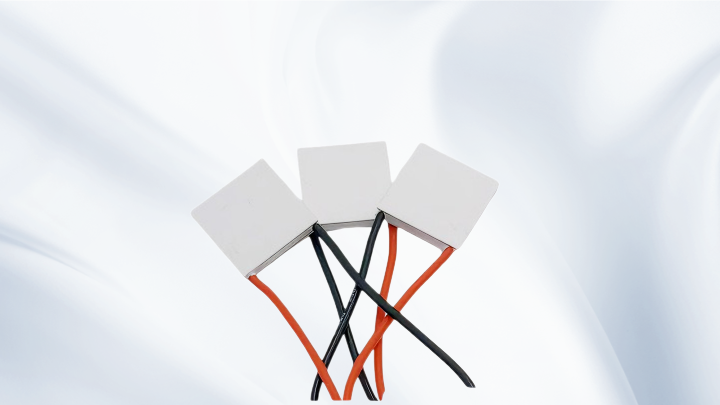
Unlocking Efficiency and Innovation: The Power of Industry-Leading Thermoelectric Cooling Modules
Introduction to Thermoelectric Cooling Technology
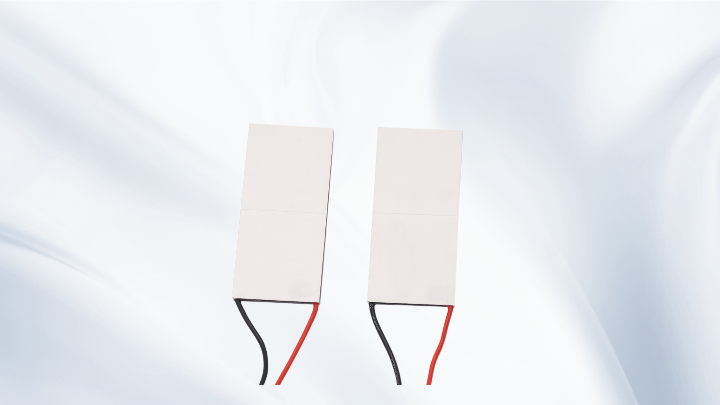
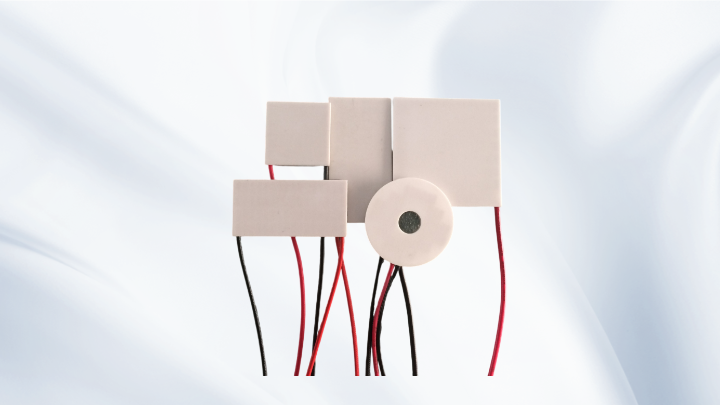
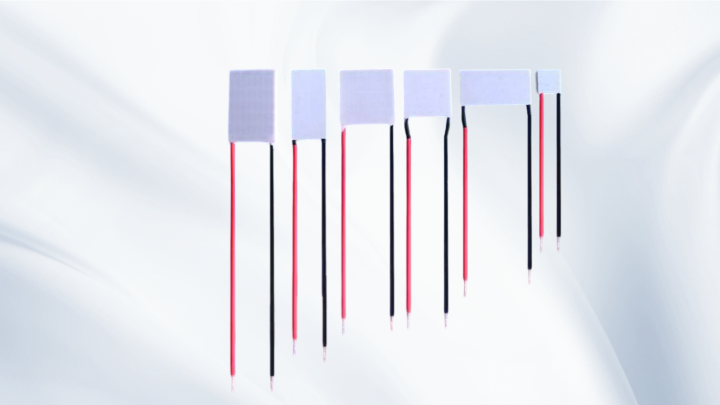
Thermoelectric cooling modules, often referred to as Peltier devices, operate on the principle of the Peltier effect, where an electric current creates a temperature difference between two junctions. Unlike traditional cooling methods that rely on refrigerants or compressors, these modules offer solid-state, noiseless, and environmentally friendly solutions. Industry-leading versions push the boundaries by incorporating advanced materials and optimized designs to maximize efficiency and durability.
Key Features of Industry-Leading Modules
What sets top-tier thermoelectric cooling modules apart is their exceptional performance metrics. They typically boast high coefficient of performance (COP), meaning they deliver more cooling power per unit of electrical input. Additionally, they are engineered for reliable operation under extreme conditions, such as high ambient temperatures or varying loads. Enhanced thermal management through improved heat sinks and interfaces ensures minimal thermal resistance, leading to better overall system stability.
Applications Across Diverse Industries
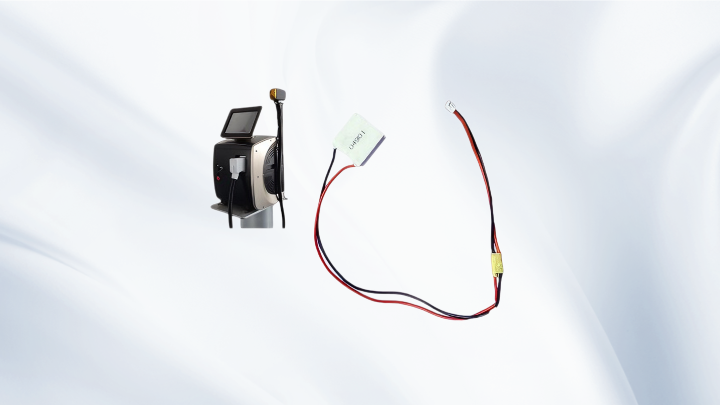
From medical devices to consumer electronics, industry-leading thermoelectric cooling modules find utility in numerous sectors. In the medical field, they are crucial for precise temperature control in diagnostic equipment like PCR machines, ensuring accurate test results. In the automotive industry, they enable efficient cooling for electric vehicle batteries and infotainment systems. Consumer applications include compact refrigerators, wine coolers, and even wearable tech, where their small footprint and quiet operation are highly valued.
Advantages Over Traditional Cooling Methods
Compared to conventional compressor-based systems, these modules offer several distinct benefits. They are maintenance-free and have no moving parts, reducing the risk of mechanical failure and extending lifespan. Their ability to provide both cooling and heating by reversing the current direction adds versatility. Moreover, they contribute to sustainability by eliminating harmful refrigerants and reducing energy consumption in optimized setups, aligning with global green initiatives.
Implementation Tips and Best Practices
To maximize the benefits of industry-leading thermoelectric cooling modules, proper integration is key. Start by selecting a module with the right cooling capacity for your application, considering factors like heat load and ambient temperature. Ensure efficient heat dissipation by pairing it with high-quality heat sinks and fans. Regular monitoring of voltage and current can prevent overheating and optimize performance. For complex systems, consulting with manufacturers or experts can help tailor solutions to specific needs.
Common Questions
What is the typical lifespan of an industry-leading thermoelectric cooling module?
With proper usage and maintenance, these modules can last over 50,000 hours, thanks to their solid-state construction and robust materials that resist wear and tear.
How do I choose the right module for my project?
Consider key parameters such as maximum cooling capacity, operating voltage, and temperature differential. Consulting datasheets and seeking advice from suppliers can ensure a match with your thermal management requirements.
Are these modules energy-efficient compared to other cooling technologies?
While they may have lower efficiency in some high-power scenarios, industry-leading designs optimize energy use through advanced materials, making them highly efficient for low to medium cooling loads, especially in compact applications.
Related Posts