




Unlocking the Future of Cooling: The Power of Industry-Leading Thermoelectric Cooling Chips
What Are Thermoelectric Cooling Chips?
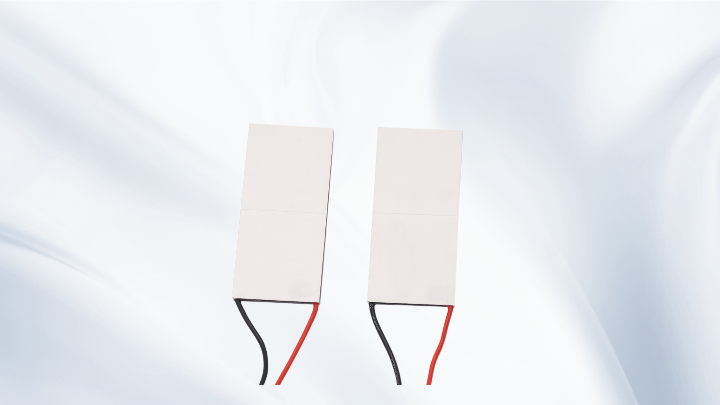
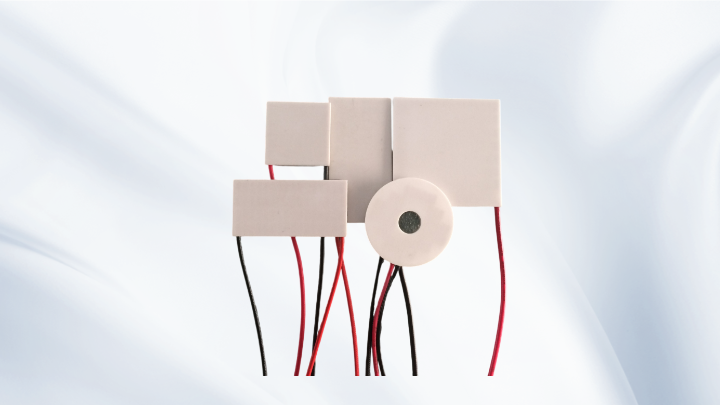
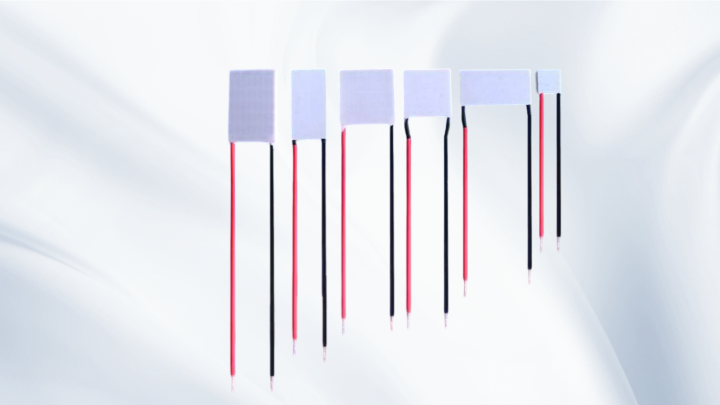
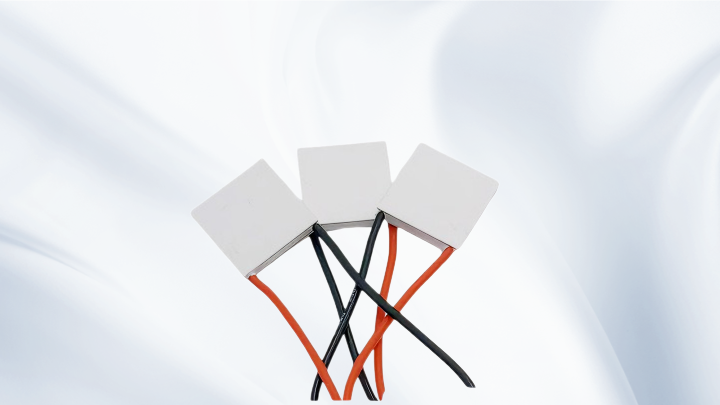
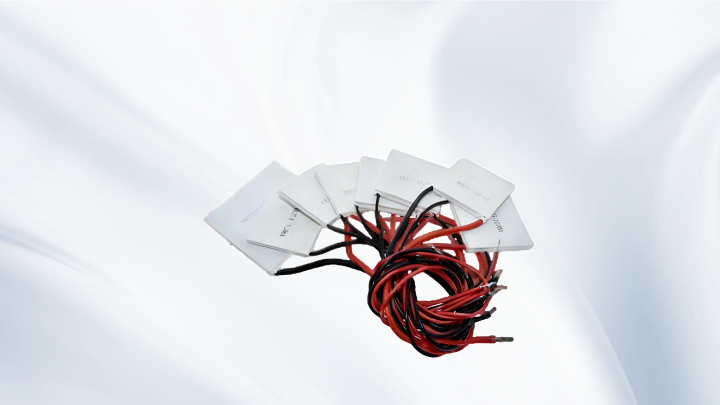
Thermoelectric cooling chips, also known as Peltier devices, are solid-state components that use the Peltier effect to transfer heat from one side to another when an electric current is applied. Unlike traditional cooling methods that rely on compressors or fans, these chips offer compact, noiseless, and highly reliable cooling without moving parts. The industry-leading versions push the boundaries with enhanced efficiency, durability, and adaptability, making them ideal for demanding environments.
Key Advancements in Industry-Leading Thermoelectric Cooling Chips
Recent innovations have propelled thermoelectric cooling chips to new heights. Manufacturers are focusing on improving thermal conductivity and energy efficiency through advanced materials like bismuth telluride alloys. These chips now achieve higher cooling capacities and lower power consumption, reducing operational costs. Additionally, miniaturization allows for integration into smaller devices, while smart control systems enable precise temperature regulation, enhancing performance in applications from consumer electronics to industrial machinery.
Applications Across Various Industries
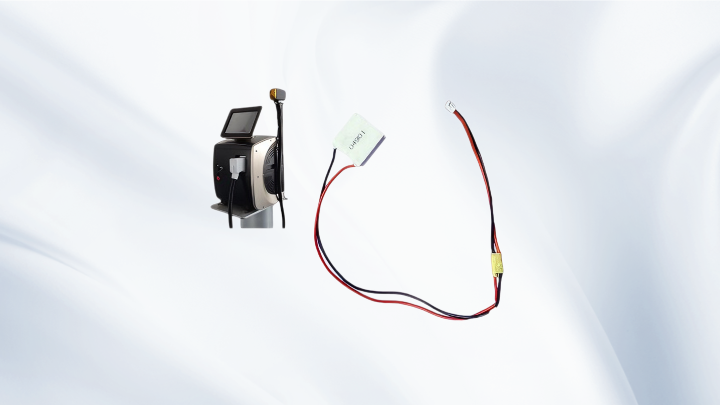
The versatility of industry-leading thermoelectric cooling chips is evident in their widespread use. In the electronics sector, they cool high-performance CPUs and GPUs in laptops and servers, preventing overheating and extending lifespan. In medical devices, they maintain stable temperatures for diagnostic equipment and drug storage, ensuring accuracy and safety. Other applications include automotive systems for climate control, aerospace for thermal management in satellites, and even food and beverage industries for portable refrigeration. Their ability to provide spot cooling makes them invaluable where traditional methods fall short.
Benefits of Adopting Thermoelectric Cooling Technology
Choosing industry-leading thermoelectric cooling chips offers numerous advantages. They are environmentally friendly, as they use no refrigerants that harm the ozone layer. Their solid-state design means fewer maintenance issues and longer service life, reducing downtime. Moreover, they operate silently, which is crucial in noise-sensitive settings like hospitals or offices. From a cost perspective, while initial investment might be higher, the long-term savings in energy and maintenance often justify the expense, making them a smart choice for sustainable cooling solutions.
Challenges and Future Outlook
Despite their benefits, thermoelectric cooling chips face challenges such as limited maximum temperature differentials and heat dissipation issues in high-load scenarios. However, ongoing research aims to overcome these by developing new materials with higher thermoelectric figures of merit. The future looks promising, with trends pointing toward integration with IoT for smarter cooling networks and expansion into renewable energy systems. As technology evolves, industry-leading chips are set to become even more efficient and accessible, driving innovation in cooling across the globe.
Common Questions
How do thermoelectric cooling chips compare to traditional air conditioning?
Thermoelectric cooling chips are more compact, noiseless, and have no moving parts, making them ideal for small-scale or precise cooling applications, whereas traditional air conditioning is better for large spaces but can be less efficient and environmentally harmful.
What are the main limitations of using thermoelectric cooling chips?
Key limitations include lower cooling capacity for large areas, sensitivity to ambient temperature, and higher initial costs compared to some conventional methods, though advancements are addressing these issues.
Can thermoelectric cooling chips be used in extreme temperatures?
Yes, industry-leading models are designed to withstand a range of temperatures, but performance may vary; it's essential to select chips rated for specific environmental conditions to ensure reliability.
Related Posts