




Harnessing the Power of Industry-Leading Thermoelectric Coolers: A Comprehensive Guide to Efficient Temperature Control
What Are Thermoelectric Coolers and How Do They Work?
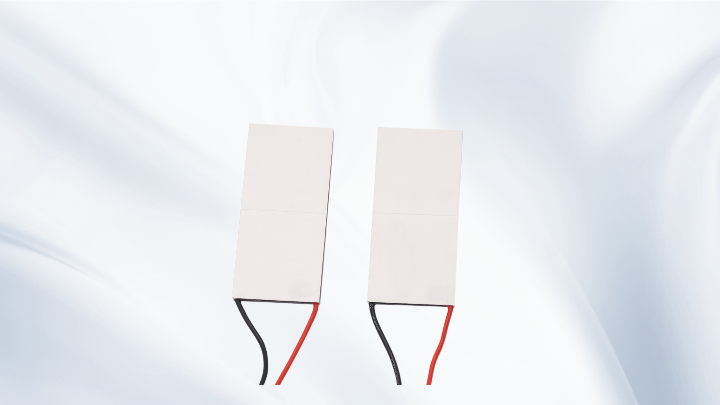
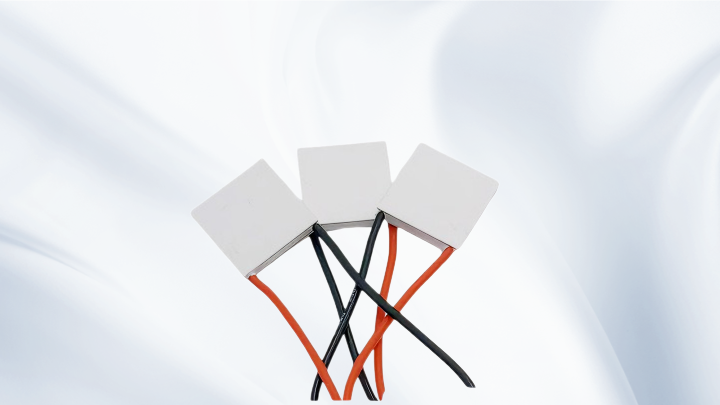
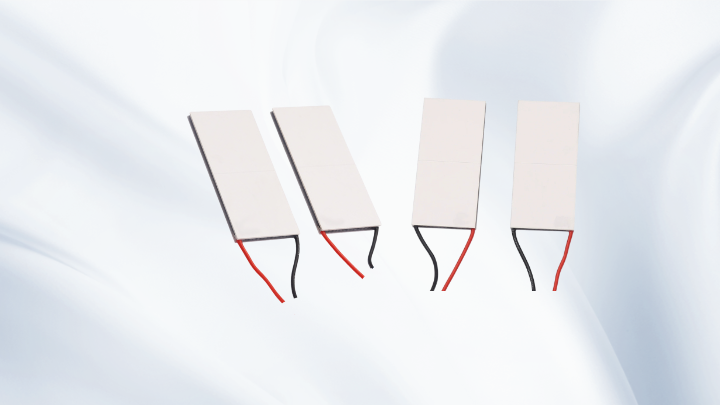
Thermoelectric coolers, often referred to as Peltier devices, are solid-state heat pumps that transfer heat from one side to another using the Peltier effect. When an electric current flows through the junction of two dissimilar materials, it creates a temperature difference, allowing one side to cool while the other heats up. Industry-leading TECs enhance this process with advanced materials like bismuth telluride, which improve efficiency and durability. Unlike traditional compressors, they have no moving parts, making them quiet, compact, and maintenance-free. This makes them ideal for applications where space and reliability are critical, such as in medical equipment or aerospace systems.
Key Advantages of Industry-Leading Thermoelectric Coolers
Choosing industry-leading TECs provides several significant benefits. First, they offer precise temperature control, with some models capable of maintaining temperatures within ±0.1°C, essential for sensitive electronics or laboratory instruments. Second, their solid-state design ensures high reliability and long lifespan, often exceeding 100,000 hours of operation without failure. Third, they are environmentally friendly, as they use no refrigerants that can harm the ozone layer. Additionally, these coolers can operate in any orientation and are resistant to vibration, making them suitable for mobile or harsh environments. From my experience in engineering projects, integrating these coolers has reduced downtime and improved overall system performance.
Applications Across Various Industries
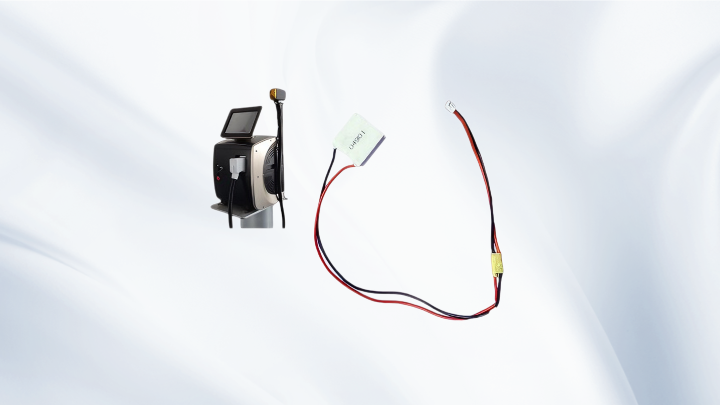
Industry-leading thermoelectric coolers find use in diverse sectors due to their versatility. In the electronics industry, they cool high-power components like CPUs and lasers, preventing overheating and extending device life. In medical fields, they are used in portable blood analyzers and PCR machines, where stable temperatures are vital for accurate results. Automotive applications include cooling infrared sensors in advanced driver-assistance systems. Moreover, in consumer products, they power compact refrigerators and wine coolers. A common recommendation is to assess the heat load and ambient conditions before selecting a TEC, as this ensures optimal performance and energy efficiency.
Selecting the Right Thermoelectric Cooler for Your Needs
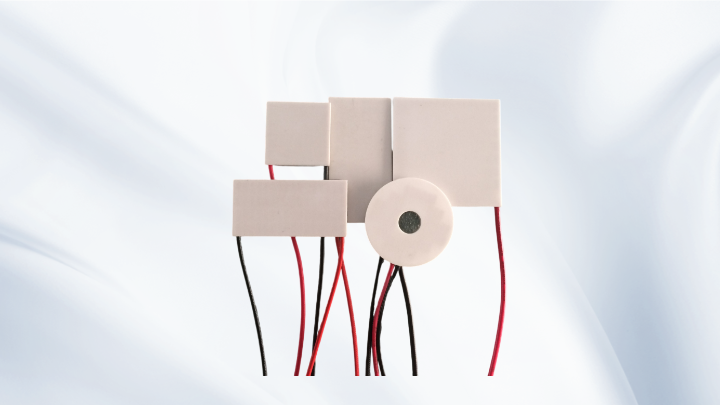
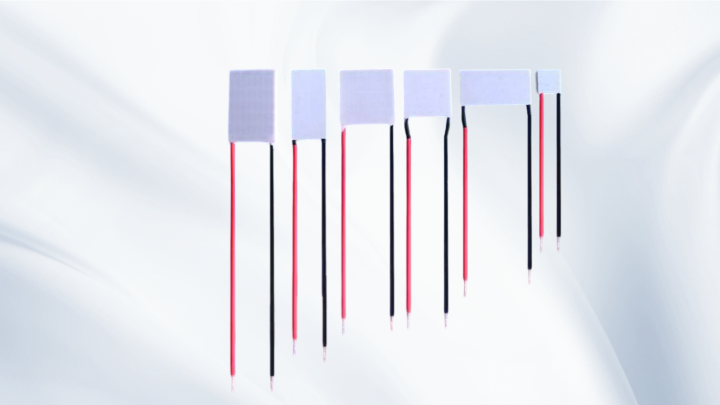
To maximize the benefits of industry-leading TECs, it's important to choose the right model based on specific requirements. Key factors include cooling capacity (measured in watts), which should match the heat dissipation needs of your application. Temperature differential, or the difference between hot and cold sides, also plays a crucial role; higher differentials may require more powerful units. Consider the power supply voltage and current, as well as the physical size and mounting options. For instance, in a recent project involving data center cooling, we opted for a high-efficiency TEC with a low power consumption to reduce operational costs. Always consult manufacturer datasheets and, if possible, conduct thermal simulations to validate your choice.
Installation and Maintenance Best Practices
Proper installation is essential for the longevity and efficiency of thermoelectric coolers. Start by ensuring a clean, flat surface for mounting to maximize thermal contact. Use thermal interface materials, such as grease or pads, to fill gaps and enhance heat transfer. It's critical to manage the hot side effectively with heat sinks or fans, as inadequate heat dissipation can lead to reduced cooling performance or even failure. In terms of maintenance, industry-leading TECs require minimal upkeep due to their solid-state nature. However, regularly check for dust accumulation on heat sinks and ensure electrical connections remain secure. From practical experience, implementing a routine inspection schedule can prevent unexpected issues and extend the cooler's lifespan.
Common Questions About Industry-Leading Thermoelectric Coolers
How efficient are thermoelectric coolers compared to traditional refrigeration systems?
Thermoelectric coolers are generally less efficient in terms of coefficient of performance (COP) for large-scale cooling, but industry-leading models have improved significantly, offering efficiencies suitable for many applications. They excel in scenarios requiring precise control, compact size, or reliability, where their advantages outweigh efficiency concerns.
Can thermoelectric coolers be used for heating as well?
Yes, by reversing the electrical current, TECs can switch from cooling to heating mode, making them versatile for temperature regulation in both directions. This feature is particularly useful in applications like thermal cyclers or environmental chambers.
What are the typical lifespan and warranty for industry-leading TECs?
Industry-leading thermoelectric coolers often have lifespans exceeding 100,000 hours under normal operating conditions. Warranties vary by manufacturer but commonly range from 1 to 5 years, reflecting their durability and reliability.
How do I calculate the cooling capacity needed for my project?
To calculate cooling capacity, determine the total heat load in watts, including heat generated by components and ambient heat gain. Add a safety margin of 10-20% to account for variations. Consulting with a thermal engineer or using online calculators can help ensure accurate sizing.
Related Posts